
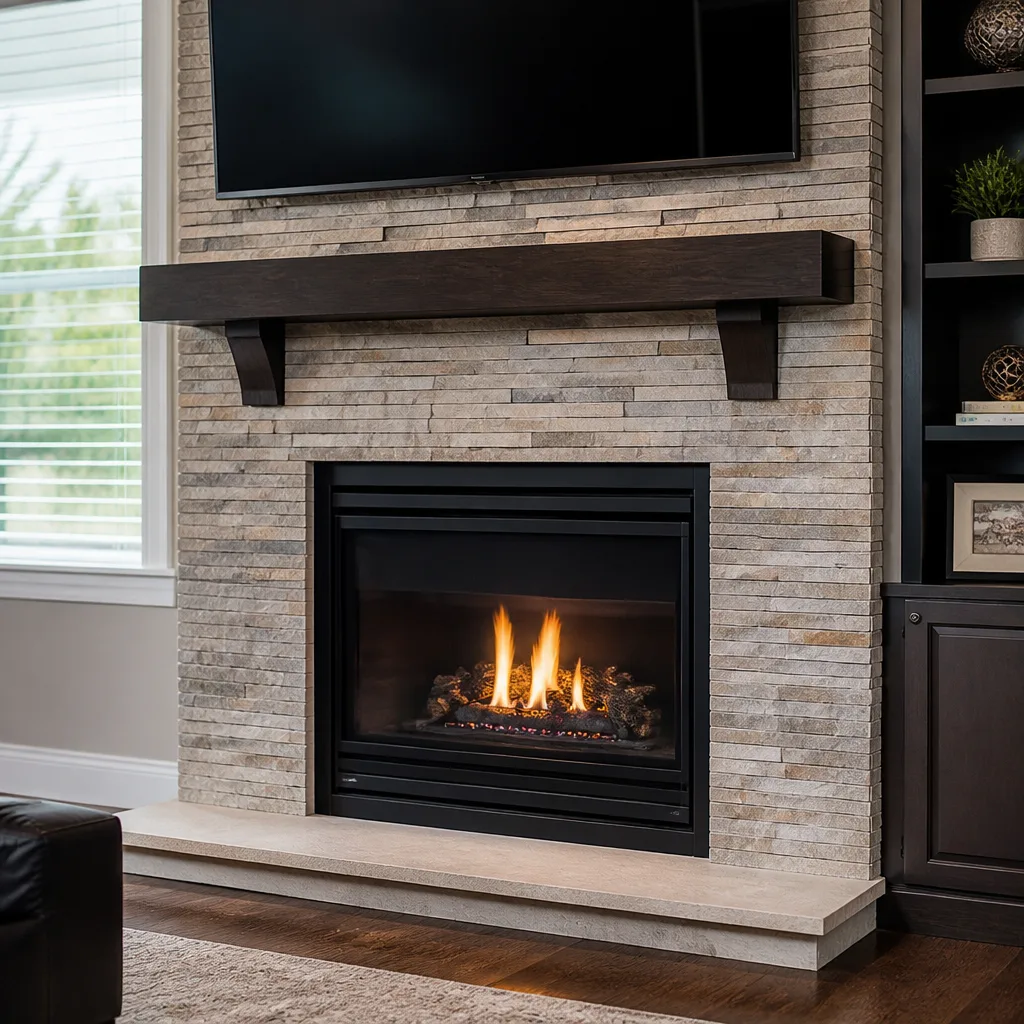
 Gas fireplace service
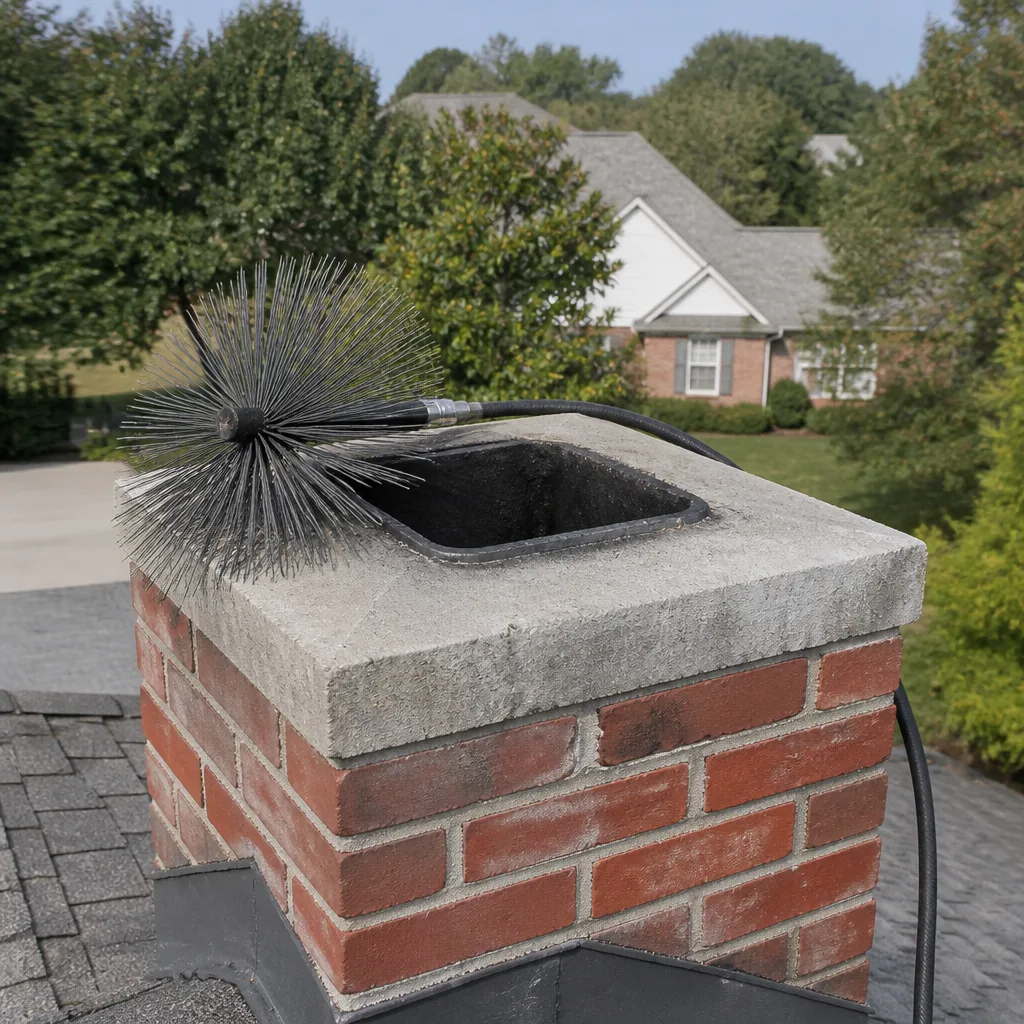 Sweep & inspection
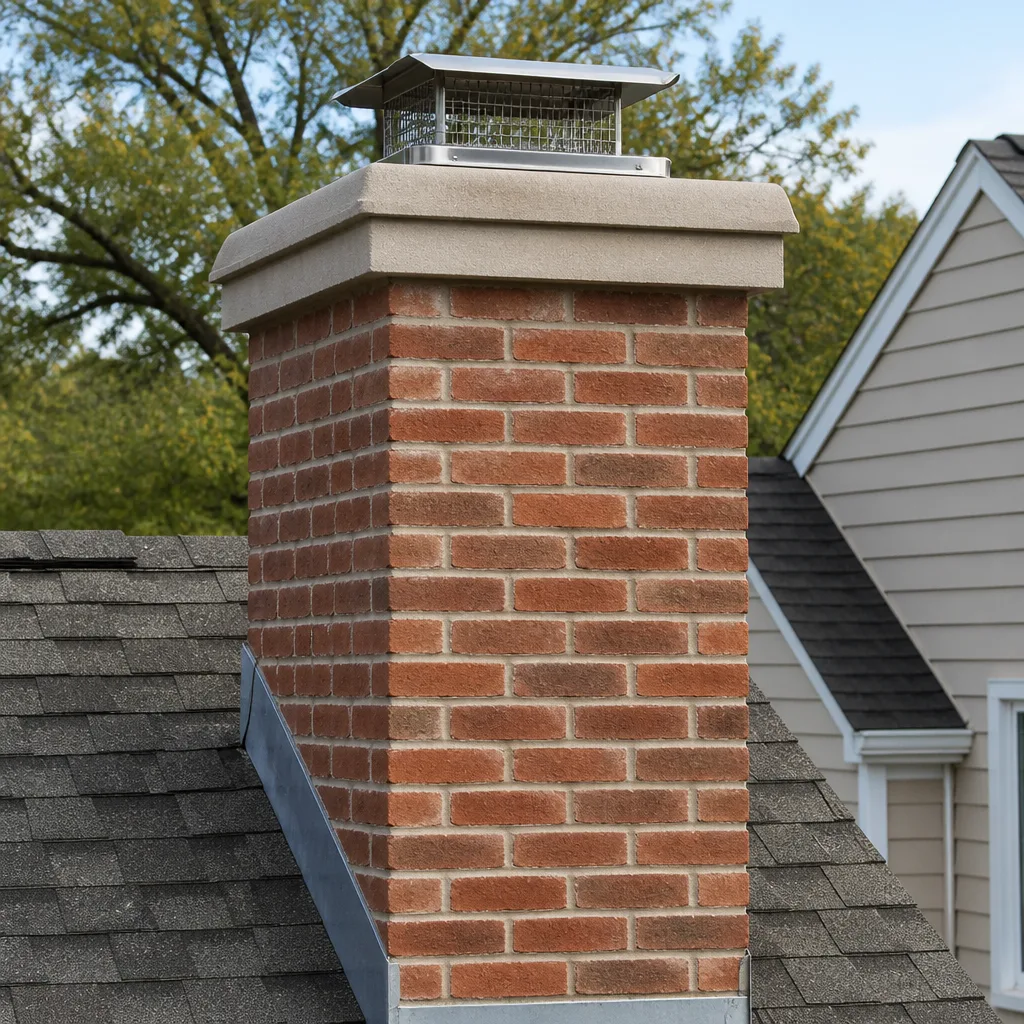 Caps & crowns
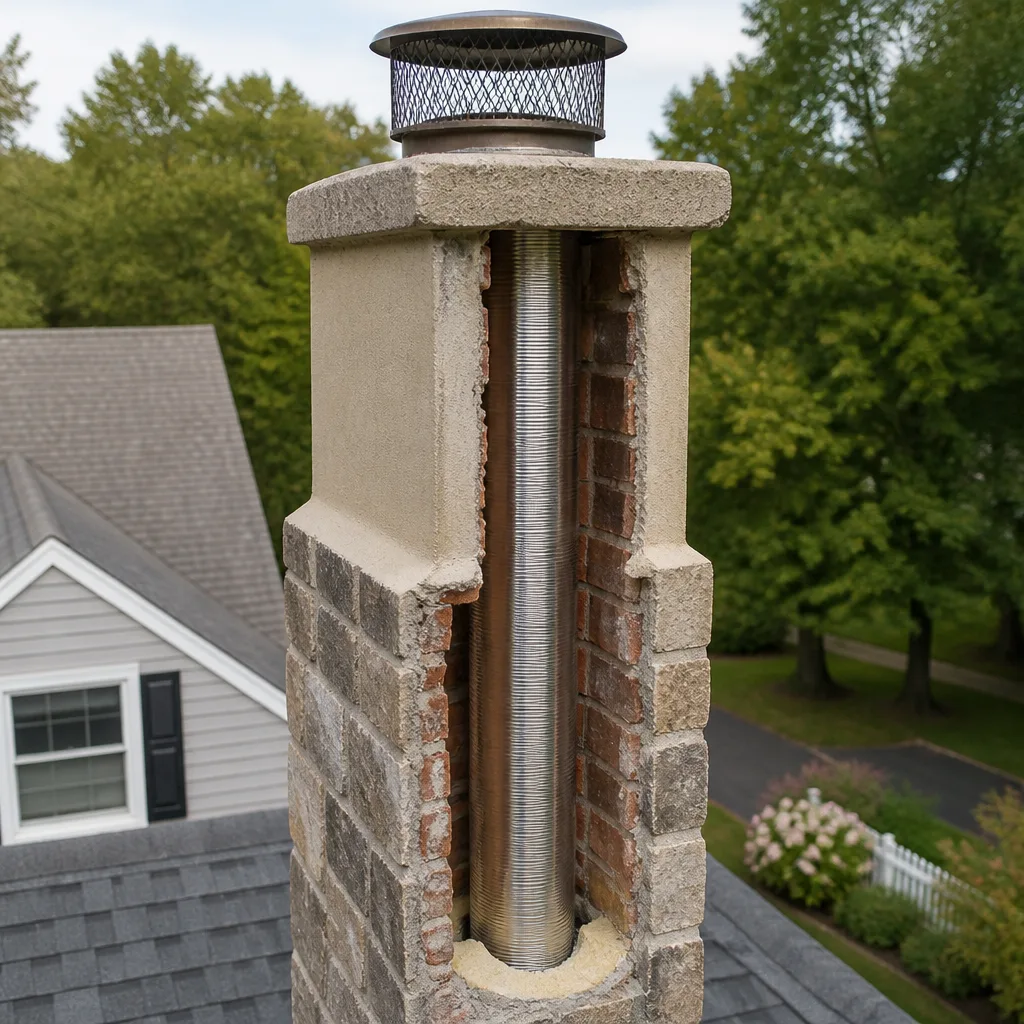 Flue relining
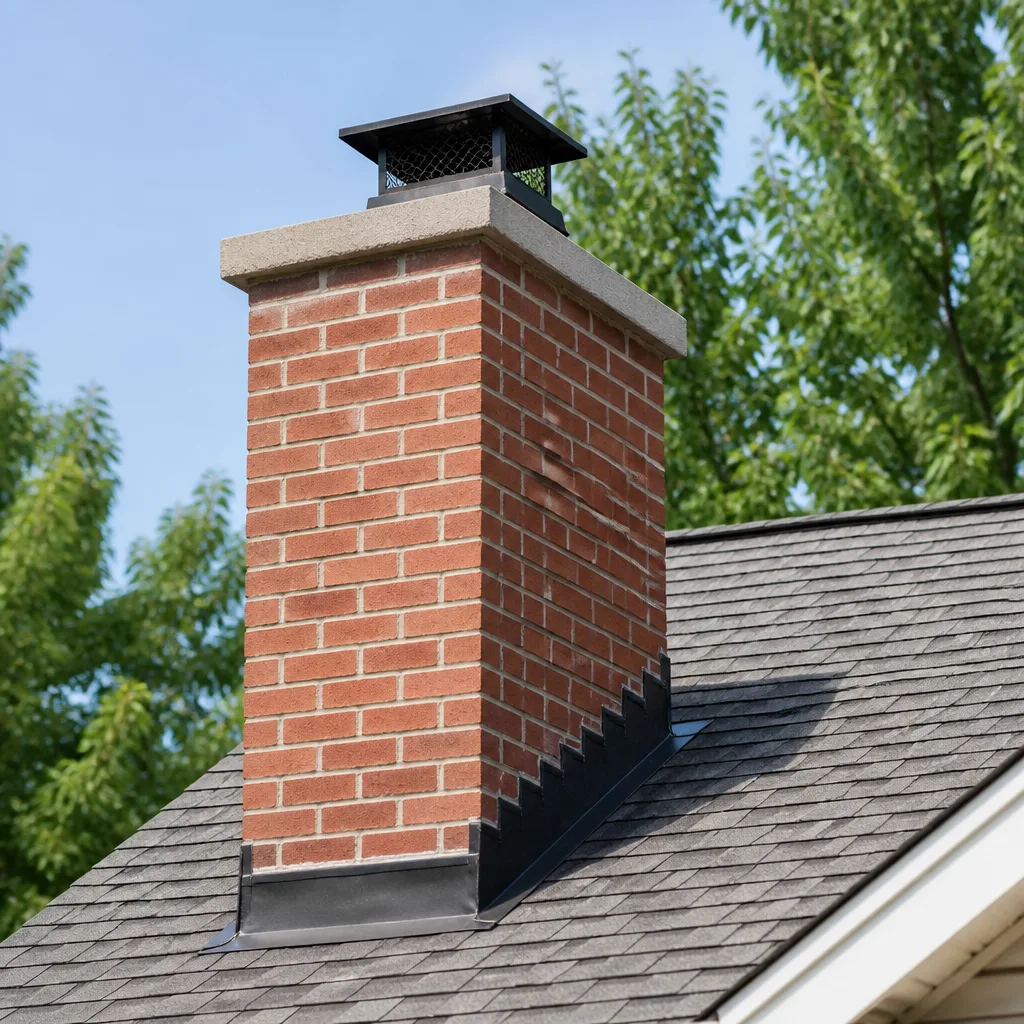 Masonry repair
Level 1 sweep and inspection to the NFPA 211 annual standard - flue, crown, cap, and flashing checked and photographed
Chimney sweep logs do not sweep chimneys. They loosen some creosote - which then falls where a brush and vacuum still have to collect it.
Why Kirkland Homeowners Choose HeatShield Chimney Cleaning
Chimney Sweep Kirkland provides independent HeatShield chimney cleaning, firebox restoration, and flue relining service in Kirkland, WA. HeatShield is a repair system, not a brand of appliance: a castable refractory and stainless-steel relining approach used to restore damaged fireboxes and flue interiors. What sets our HeatShield work apart is that we evaluate the substrate first. We won’t coat a crumbling firebox or reline a flue that needs masonry work, because we know how those shortcuts fail.
To be clear about who we are: Chimney Sweep Kirkland is an independent HeatShield service provider. We are not affiliated with, authorized by, or sponsored by HeatShield, and we don’t carry their warranty. We work with the products because they solve real problems in Kirkland’s older masonry chimneys, not because anyone gave us a badge to hang on the wall.
Our technicians have up to 10 years of experience, and every one of them works on chimney systems only. Call (833) 748-1365 for a free estimate. We answer 24/7. Fast dispatch from 7am to 7pm, Sunday through Friday.
Why Trust Chimney Sweep Kirkland for Your HeatShield Chimney Cleaning?
HeatShield work rewards familiarity. The refractory mixes have working times and cure windows that punish guesswork, the liner components have to match the flue’s actual geometry, and the prep stage decides whether the finished repair lasts a decade or delaminates by the next heating season. Our technicians have handled enough of these jobs to know where the margin for error sits.
We use quality parts that fit HeatShield equipment, matched to your flue and firebox rather than pulled off a shelf and trimmed to size. Where a compatible damper, cap, or mortar formulation matters, we specify the right one. Substituting generic castable or an uninsulated liner to save money usually shortens the repair’s life, and we’d rather tell you that up front than come back in two years.
Every HeatShield job we do is planned to be warranty-safe. That means proper surface prep, correct substrate assessment, and no coating over brick that hasn’t been stabilized. If your firebox or flue is beyond what a resurfacing or reline can responsibly fix, we say so. A specialist, not a generalist.
Styles & brands we work with
- Sweep & inspection
- Caps & crowns
- Flue relining
- Masonry repair
- Gas fireplace service
Common HeatShield Chimney Cleaning Problems We Fix in Kirkland
HeatShield products fail in predictable ways, and nearly all of them trace back to what happened before the product went on. Here are the ones we see most often in Kirkland chimneys.
- Firebox Restore coating delaminating over unstable brick. This is the classic failure. The refractory resurfacing goes on over spalled or crumbling firebrick that was never stabilized, and the new layer flakes away within a season or two. The fix isn’t more coating. It’s stabilizing the substrate, or recognizing that the firebox needs rebuilding rather than resurfacing.
- Relining jobs with draft problems and smoke spillage. When the original clay tile wasn’t properly removed, or the new liner was undersized for the flue, the fireplace smokes into the room instead of drafting up. The symptom shows up fast: staining above the damper, smoke rolling out on startup, a fire that won’t pull. The cause is almost always in the install, not the fireplace.
- Refractory mortar cracking at the joints. Mortar applied to joints that were too wide or too dirty sets brittle and cracks after the first heating cycles. Firebrick joints need to be clean and within tolerance before mortar goes anywhere near them. Skip that and the repair is cosmetic.
- Water intrusion wrecking the repair before it cures. A failing crown or missing cap lets water into the firebox and flue, and moisture degrades the HeatShield repair before it ever gets a chance to perform. In Kirkland’s wet marine climate this happens faster than most homeowners expect. Waterproofing and cap work aren’t add-ons here; they’re part of doing the job right.
- Creosote left in place under a fresh repair. Resurfacing a firebox or relining a flue without removing the creosote underneath buries a fire hazard inside a repair. Creosote removal comes first, always. The combustion byproducts that build up over seasons of burning don’t disappear because a new layer went over them.
What a typical HeatShield job looks like here: a homeowner notices crumbling firebrick at the back of the firebox, smoke staining above the damper, and a faint chemical or ashy odor on damp days, often after a few seasons of burning without a sweep. A qualified sweep inspects the firebox and flue with a camera, confirms whether the spalling is surface-level or structural, and if the brick is sound, preps and applies the refractory resurfacing while addressing creosote and any crown or flashing leaks that let water in. If the firebrick is deeply deteriorated or the flue tiles are cracked, the pro recommends relining or rebuilding the affected section instead of coating over a failing substrate.
HeatShield Parts & Our Repair-vs-Replace Approach
HeatShield repairs depend on correct proprietary refractory and liner components, plus compatible dampers, caps, and mortar matched to your flue geometry. We specify quality parts that fit the system rather than substitutions that fit the budget. We don’t claim to stock genuine HeatShield parts or to be a HeatShield dealer. We source what the job needs and we tell you what it is.
The repair-or-replace question comes down to the substrate. If the firebrick is sound and the spalling is surface-level, a HeatShield resurfacing or reline is a sensible repair and we’ll recommend it. If the masonry is deeply deteriorated, if the flue tiles are cracked through, or if the firebox walls have lost structural integrity, coating over it wastes your money. An honest assessment weighs the cost of a HeatShield reline against a partial rebuild, and a qualified pro will say when the masonry is too far gone for a reline to make sense.
That’s the whole approach: we identify problems before they become fire hazards or expensive failures, and we don’t sell a coating where a rebuild belongs. Call (833) 748-1365 and we’ll walk you through what your firebox and flue actually need.
Our HeatShield Service Process – Step by Step
- 1
Diagnosis. We camera-inspect the firebox and flue, check the crown, cap, and flashing, and confirm whether the spalling is surface-level or structural. You see what we see before anything gets recommended.
- 2
Prep and creosote removal. Creosote comes out first. Firebrick joints get cleaned and evaluated; loose or spalled material is stabilized or removed. This is the step that decides whether the repair holds.
- 3
Repair or install. Depending on what the diagnosis found, that means HeatShield Firebox Restore resurfacing, flue relining with an insulated stainless liner, refractory mortar for firebrick joint repair, or crown and damper-area repair compounds. Each one gets applied to a substrate that can actually carry it.
- 4
Test. We check draft, verify the liner or resurfacing is seated correctly, and confirm the fireplace burns the way it should. Smoke spillage or poor draft at this stage means something’s wrong and we fix it before we leave.
- 5
Warranty and records. You get the documentation of what was done and with what materials, so your repair history travels with the chimney. That matters for future inspections and for any manufacturer warranty on the components used.
See the difference
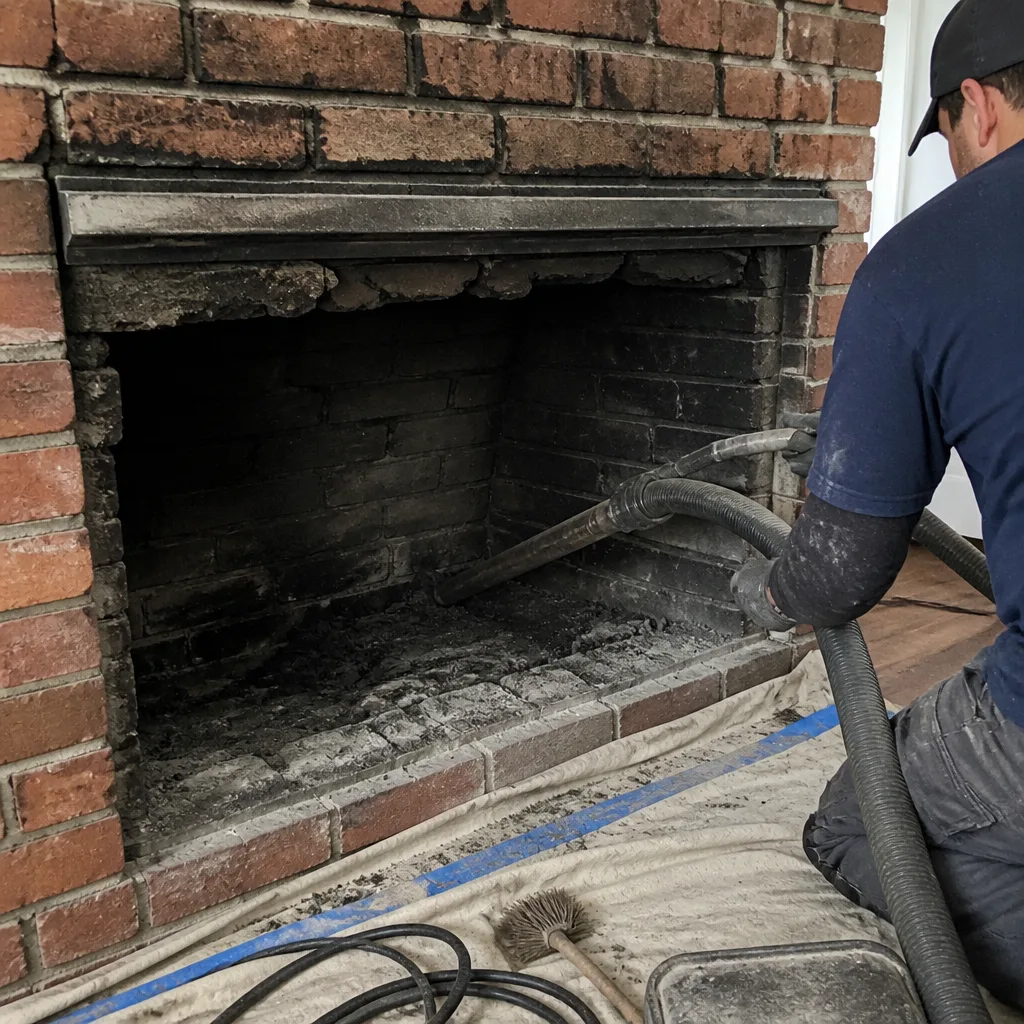 Before
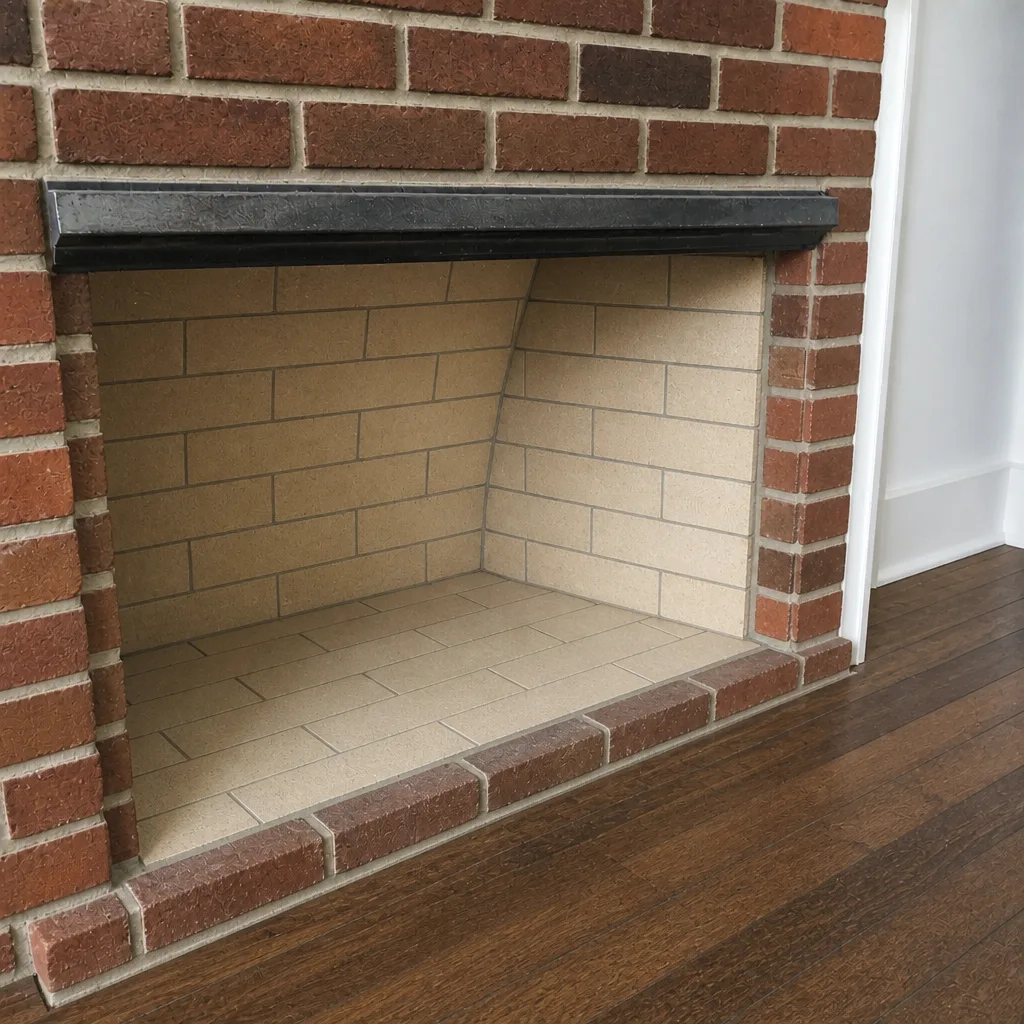 After
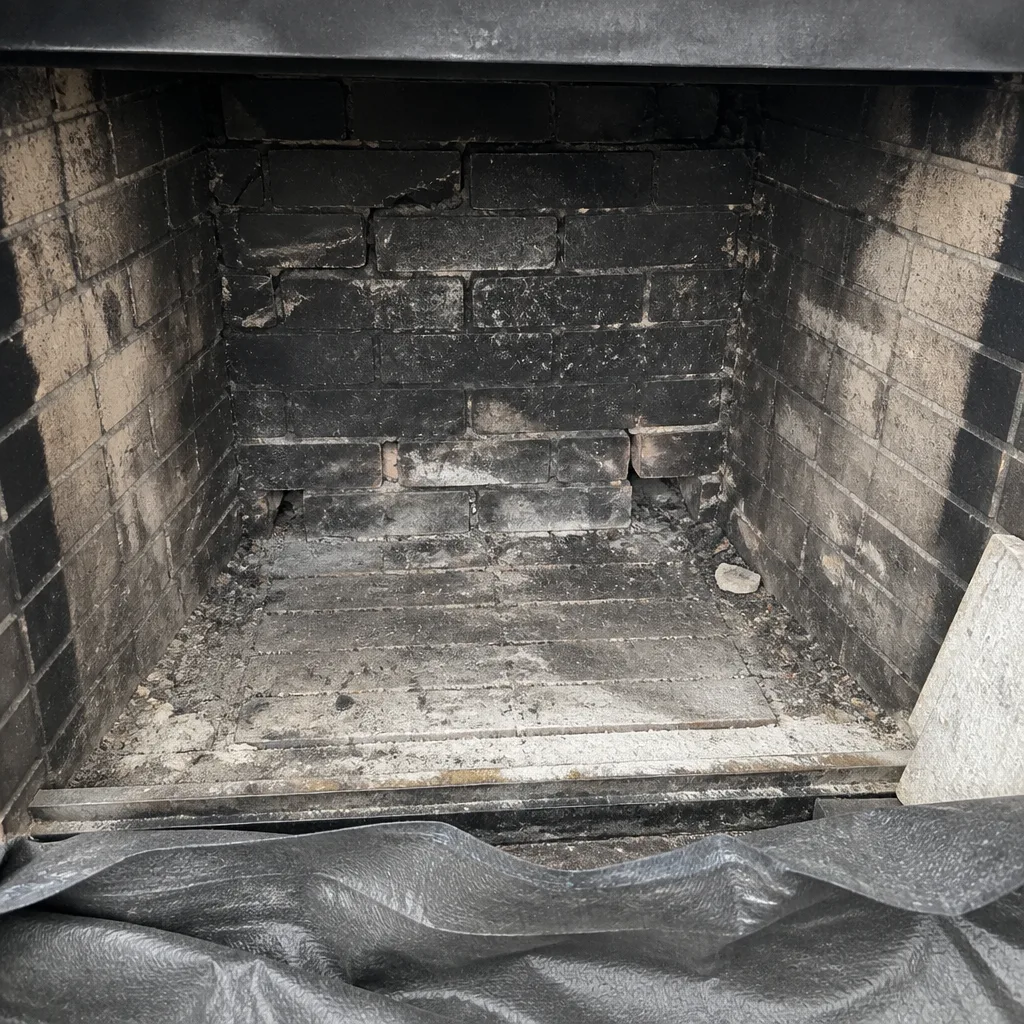 Before
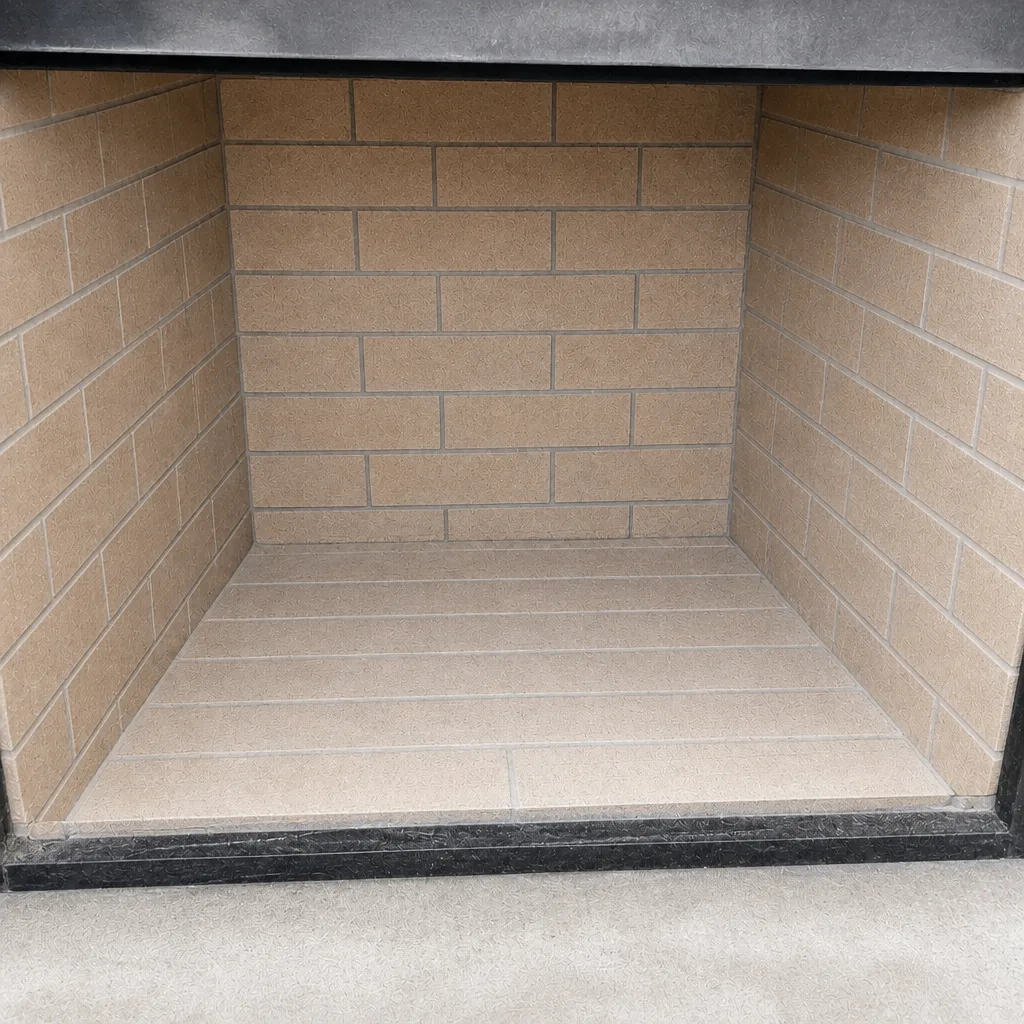 After
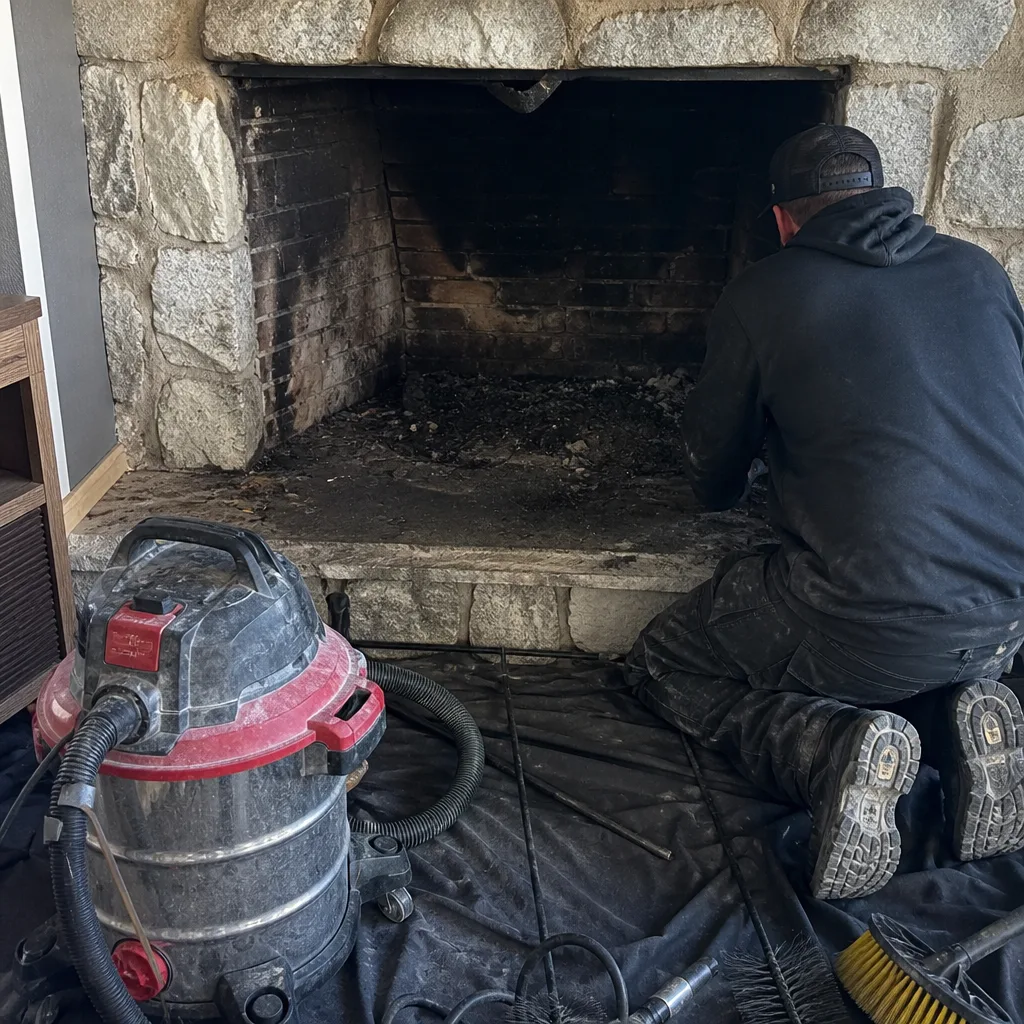 Before
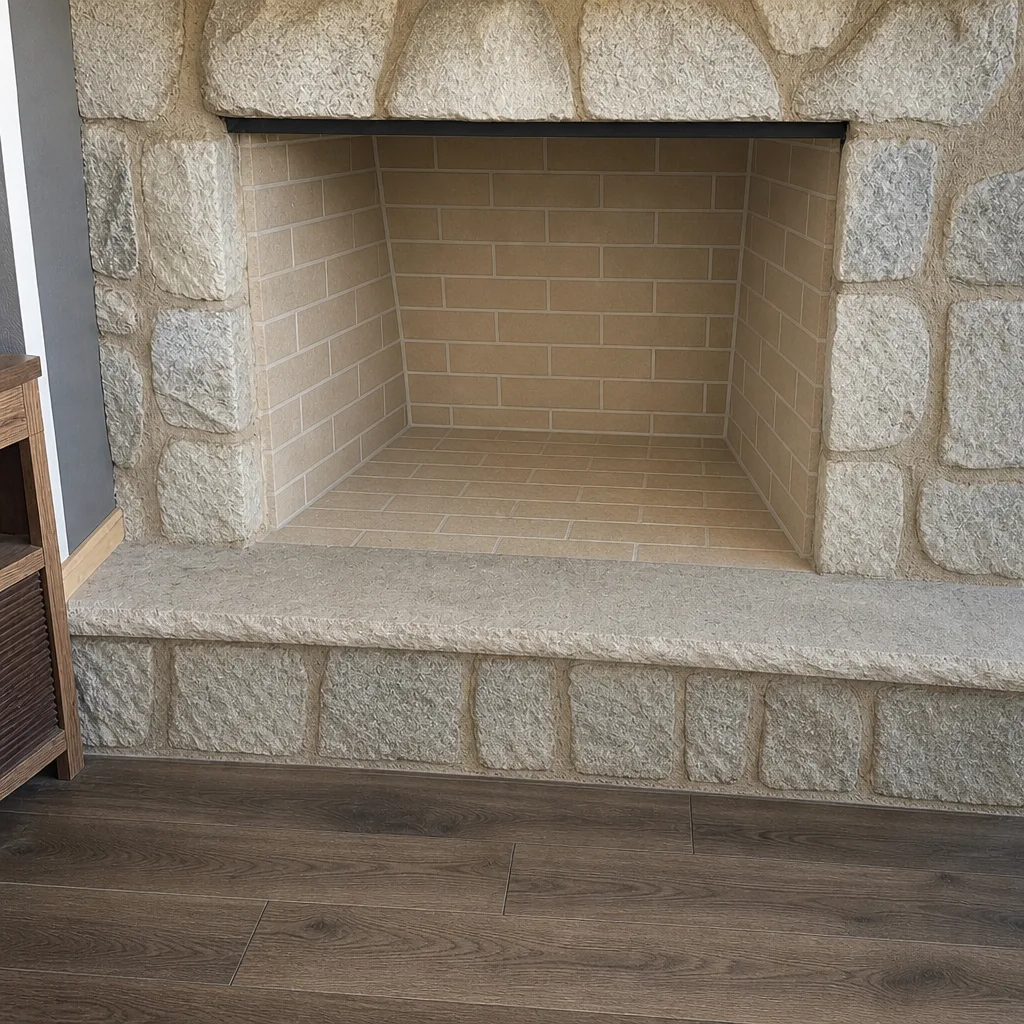 After
HeatShield Products We Service & Install in Kirkland
We work across the HeatShield line as it applies to Kirkland chimneys. HeatShield Firebox Restore is castable refractory resurfacing for fireboxes whose brick is sound but whose surface has spalled. HeatShield flue relining uses an insulated stainless liner to restore a damaged flue interior. HeatShield refractory mortar handles firebrick joint repair. And HeatShield crown and damper-area repair compounds address the top of the system and the damper zone, where water and heat do their worst work. We service all four as part of a full-system approach, from the firebox to the crown.
We Also Service These Brands
HeatShield is one tool in a bigger kit. We also work with DuraFlex liners and Gelco products, along with Olympia Chimney, Famco, and Copperfield, so a recommendation follows your chimney’s needs rather than whatever brand we happen to favor. Single-source specialist, full-system coverage. You don’t call a second contractor for the cap after the sweep.
FAQs – HeatShield Chimney Cleaning Service in Kirkland
No. Chimney Sweep Kirkland is an independent HeatShield service provider and is not affiliated with, authorized by, or sponsored by HeatShield. We work with HeatShield products because they solve real problems in Kirkland’s masonry chimneys, but we don’t carry any manufacturer authorization and we won’t imply otherwise.
Yes. We specify correct proprietary refractory and liner components plus compatible dampers, caps, and mortar matched to your flue geometry. We don’t claim to stock genuine HeatShield parts or to be a dealer. What we do is source the right components for the job and tell you what they are, rather than substituting generic castable or an uninsulated liner that shortens the repair’s life.
Most HeatShield firebox resurfacing and relining jobs take a full day or more, largely because the prep work and cure windows set the schedule. A Firebox Restore resurfacing typically runs shorter than a full reline, and creosote removal or crown and flashing repair can add time. You’ll get a realistic timeline with your written estimate, not an optimistic one. Call (833) 748-1365 to schedule an inspection.
We service and install HeatShield Firebox Restore, flue relining with insulated stainless liner, refractory mortar for firebrick joint repair, and crown and damper-area repair compounds. Those cover the firebox, the flue, the joints, and the top of the system.
Properly done work shouldn’t void a HeatShield warranty, and that’s why we plan every job to be warranty-safe: correct surface prep, honest substrate assessment, and no coating over brick that hasn’t been stabilized. We are not authorized by HeatShield and can’t speak for their warranty terms. Read your own warranty documentation, and we’ll document exactly what was done and with what materials so you have a record.
HeatShield work is priced per job by written estimate, and the estimate is free. A routine sweep sits at the lower end; firebox resurfacing, flue relining, creosote removal, and chimney waterproofing each add scope, and the diagnosis decides which of those you actually need. Nothing gets recommended without camera evidence you can see for yourself, and we’ll tell you plainly when work can safely wait. Call (833) 748-1365 for an exact quote. Estimates are free.
No. HeatShield Firebox Restore is a castable refractory resurfacing that has to go onto a stabilized substrate with correct prep and cure, and applying it over spalled or crumbling firebrick is exactly how these jobs fail within a season or two. The substrate assessment is the part that matters most, and that takes a trained eye and a camera. This is work for a qualified sweep.
The camera inspection decides it. If the firebrick is sound and the spalling is surface-level, HeatShield resurfacing is a sensible repair. If the firebrick is deeply deteriorated or the flue tiles are cracked through, the masonry is too far gone for a reline to make sense and a partial rebuild of the affected section is the honest recommendation. We show you the evidence either way. Call (833) 748-1365 for an inspection.
Sometimes, and sometimes the smoking is a sign the original reline went wrong. A properly sized, properly insulated liner restores draft. An undersized liner, or one installed without removing the original clay tile, causes smoke spillage into the room. It comes down to diagnosis: we check draft and flue geometry before recommending anything.
Yes, and that’s the argument for dealing with creosote first. Creosote buildup is a fire hazard on its own, and resurfacing a firebox or relining a flue without removing it buries the hazard inside the repair. Creosote removal comes before any HeatShield work, every time. Call (833) 748-1365 if it’s been a few seasons since your last sweep.
Book Your HeatShield Service in Kirkland, WA
Kirkland’s older masonry chimneys take a beating from wet winters and wind-driven rain, and HeatShield work done right is one of the better ways to extend a firebox and flue that still have life in them. We’d rather see the camera footage first and tell you honestly what it shows. Call (833) 748-1365 for a free estimate. We answer 24/7. Fast dispatch from 7am to 7pm, Sunday through Friday.
Written by the team at Chimney Sweep Kirkland.