
Last updated November 24, 2026
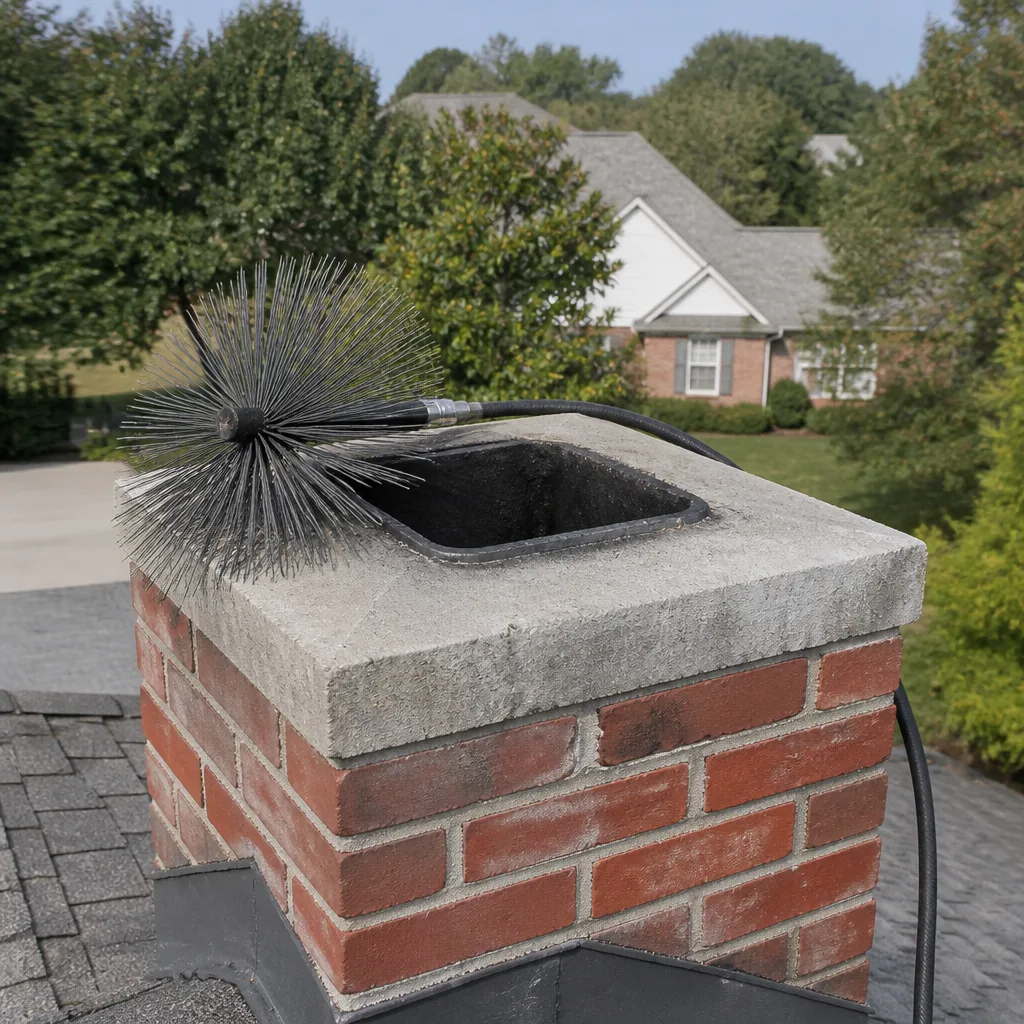 Sweep & inspection
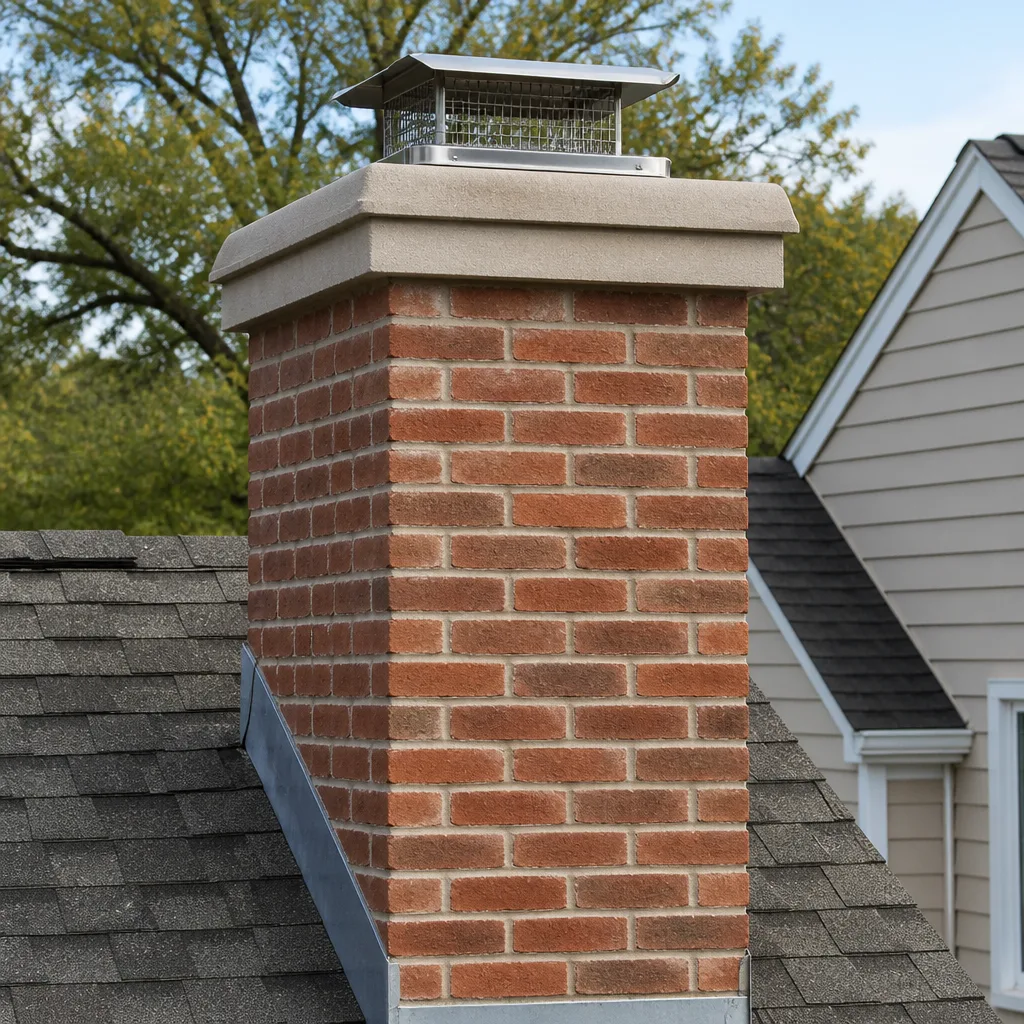 Caps & crowns
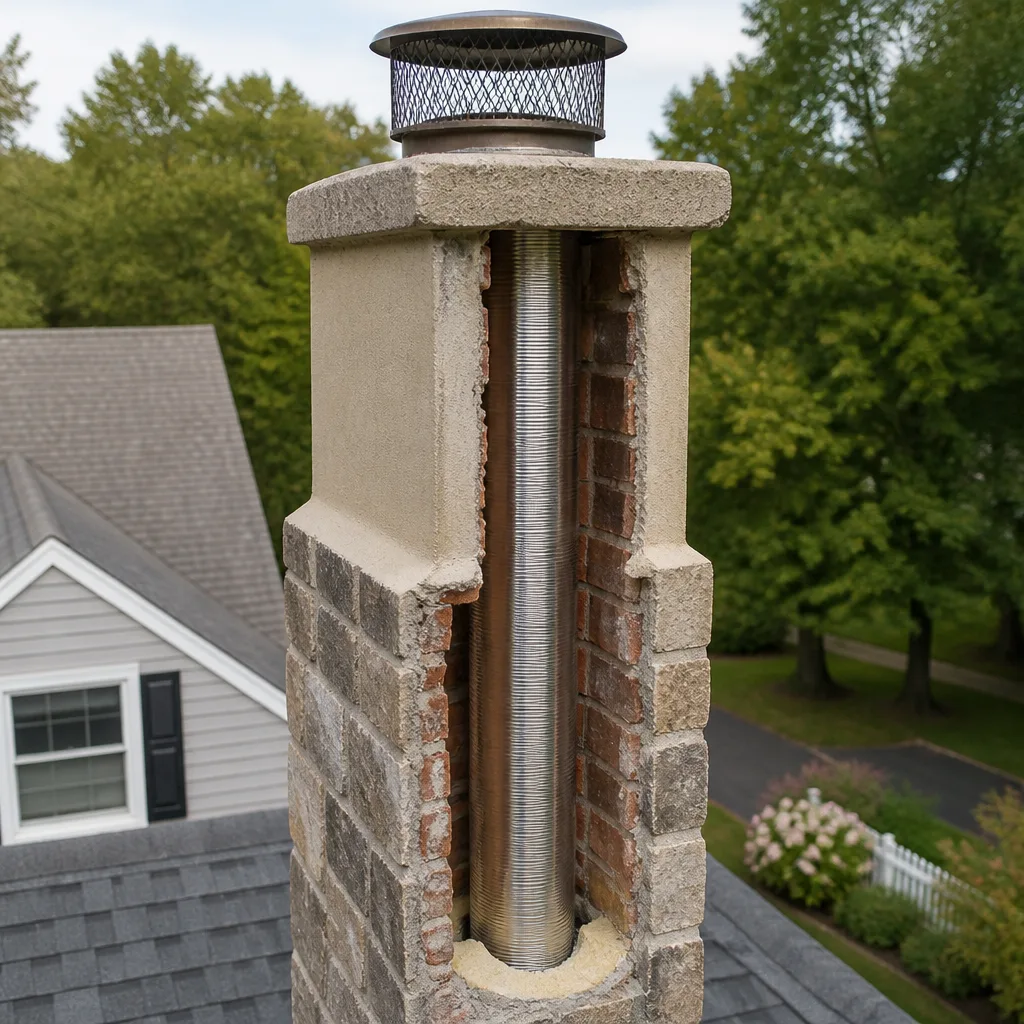 Flue relining
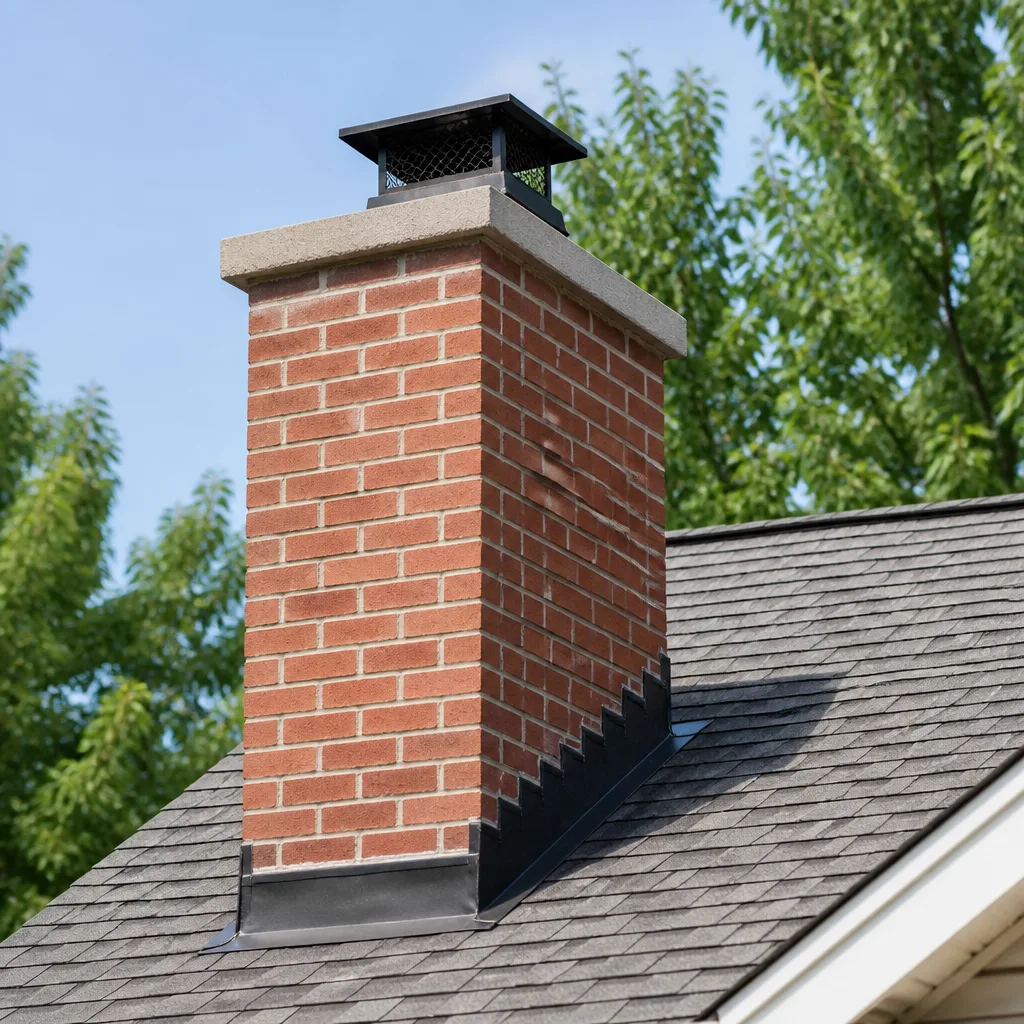 Masonry repair
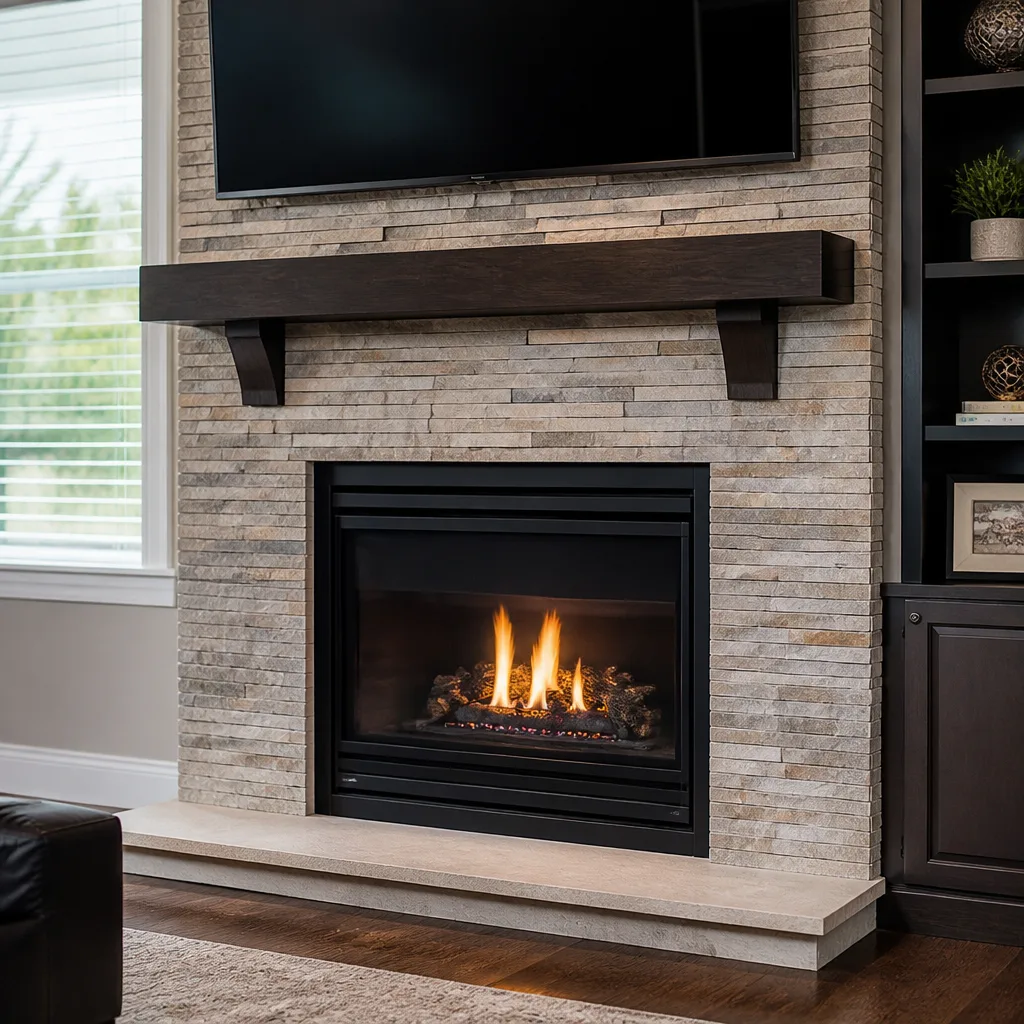 Gas fireplace service
Level 1 sweep and inspection to the NFPA 211 annual standard - flue, crown, cap, and flashing checked and photographed
Chimney sweep logs do not sweep chimneys. They loosen some creosote - which then falls where a brush and vacuum still have to collect it.
Chimney Sweep Maintenance Checklist for Kirkland Homeowners
The damper you open every November and the cap you never look at are part of the same system. Most maintenance advice only talks about the firebox, the flue, or the sweep itself, and leaves the rest of the chimney to fail quietly overhead. Here in Kirkland, where wet winters and Douglas fir smoke do their work on masonry, the parts you can’t see are usually the parts that go first. This checklist is built around what a Kirkland homeowner can actually observe between professional visits, organized into monthly checks, pre-season and post-season tasks, and records worth keeping. The goal is simple: catch small problems before they turn into structural ones.
Quick Answer
A chimney maintenance checklist for Kirkland homeowners covers monthly visual checks you can do safely from ground level and from inside the firebox, a set of pre-season tasks before the first fire of the year, a separate post-season list after the last, and a written record of fuel type, usage, and anything unusual you noticed. Professional sweeping and inspection still anchor the schedule, but the homeowner’s job is monitoring the parts of the system you can see and documenting changes so your technician has a clear history to work from.
Styles & brands we work with
- Sweep & inspection
- Caps & crowns
- Flue relining
- Masonry repair
- Gas fireplace service
Table of Contents
- How a chimney system breaks down
- Monthly visual checks you can do safely
- Pre-season checklist before the first fire
- Post-season checklist after the last fire
- Signs the cap or crown has shifted after wind and rain
- What to document between visits and why
- Tracking cleaning history against fuel and usage
How a Chimney System Breaks Down
A chimney is not one object. It’s a chain of components, and the chain fails from whichever link is weakest. From the firebox up, that chain runs through the damper, the smoke shelf and chamber, the flue liner, the masonry or prefab shell, the flashing that seals the chimney to the roof, and finally the crown and cap at the top. Each part fails in a different mode and on a different timeline.
The liner takes heat and acidic condensation from wood smoke. The masonry shell takes moisture from rain and freezes through Kirkland’s cold snaps. The crown – the sloped concrete slab at the top – cracks as it ages and lets water into the flue from above. The cap, which is the cover sitting on top of the flue opening, shifts in high wind. A failing cap or crown rarely announces itself inside the house; it quietly lets water in until the damage shows up in a firebox, a ceiling, or a masonry joint.
That’s why we treat the chimney as a system, not a cleaning task. When we inspect, we’re looking at every link – firebox to crown. In our experience, the most common failures in Kirkland homes are moisture-related: cracked crowns, spalling mortar, and caps that have loosened after a winter of wind. Homeowners often notice the symptom inside, but the cause is usually at the top.
Our technicians have up to 10 years of experience working on masonry chimneys, prefab systems, and gas inserts across the Eastside. That experience matters because it lets us tell the difference between a joint that needs repointing and one that needs a liner assessment. If you want the professional version of this check, we cover it in our Chimney Sweep Kirkland service.
Monthly Visual Checks You Can Do Safely
A monthly walk-around takes about five minutes and covers the parts of the system you can see without climbing anything. The point is not to diagnose – it’s to catch changes early and note anything that’s new. If something looks off, you stop and call a specialist rather than reach into the system.
From the ground, looking up:
- Is the cap sitting straight on the flue? A cap that’s tilted, crooked, or visibly lifted usually means the fastening has loosened.
- Is the crown intact, or are there visible cracks or missing chunks? A hairline crack is common; a wider crack or a piece missing is not.
- Are there dark streaks or stains running down the exterior masonry? Streaking can point to water getting into the flue or a crown that’s no longer shedding rain.
- Does vegetation – a tree branch, ivy, moss – touch the top of the chimney? Contact keeps moisture on the masonry and can knock a cap loose.
From inside the firebox, with the fireplace cold and the damper open:
- Shine a light up the flue. Note whether the surface looks smooth and consistent or whether you see cracks, gaps, or flaking.
- Check the damper. It should open and close smoothly. A sticking damper, or one that closes loosely, is worth documenting.
- Look at the firebox walls. Note any new cracks, crumbling mortar, or white staining on the brick or stone.
- Smell the firebox. A persistent smoky or creosote smell when no fire has burned is worth noting.
None of these checks requires a flashlight inside the flue or a trip onto the roof. The moment any check asks you to reach into the flue, climb, or handle a component, stop and call a technician. High flues, prefab liners, and anything involving masonry are not homeowner territory.
Pre-Season Checklist Before the First Fire
Late summer or early fall is when you want the professional sweep booked. It’s also when the homeowner’s pre-season list runs. Do these in order; the sequence matters because the last item tells you whether the season starts clean.
- Book your sweep before the season. Schedule a professional chimney sweep so the flue is cleared of creosote and soot before the first burn. If you haven’t had an inspection in more than a year, ask for one.
- Open and close the damper several times. It should move cleanly. Note any stiffness or looseness.
- Check the firebox visually using the same list from the monthly check. Write down anything you see so you can compare it after the season.
- Clear the hearth of any stored items, decorations, or wood that sits too close to the firebox opening.
- Inspect the cap and crown from the ground once more before the wet season sets in. This is the last easy chance to catch shifting before weather makes it worse.
- Test your smoke and carbon monoxide alarms with the test button. This is a general safety step, not a chimney test, but it belongs on the pre-season list because the two hazards are linked.
- Confirm your wood is dry. Wet wood creates more creosote and more smoke than dry wood. Note what type of fuel you’re burning and plan to keep it dry and covered.
If your pre-season walk-around turns up anything structural – a cap that’s lifted, a crown with a chunk missing, cracks in the firebox more than hairline – call us before you start burning. We handle this kind of chimney repair as part of the same visit as the sweep whenever we can.
Post-Season Checklist After the Last Fire
The spring list is different. The fire has been burning for months, the masonry has been through a wet Kirkland winter, and the goal now is to catch damage before it has a full season to spread. Don’t just close the damper and forget about the system until autumn.
- Do one more inside inspection of the firebox and visible flue. Compare it against what you noted in the fall. New cracks, new staining, or a widening gap is a signal.
- Look at the damper again. Did it get stiffer through the season? Note it.
- Walk the exterior and look at the masonry from the ground. New streaking, efflorescence (the white powdery staining on brick), or crumbling mortar at joints are worth noting.
- Check the cap and crown again – winter wind is the main event that shifts a cap or widens a crown crack.
- Clean out ash and leave the firebox dry. A closed firebox with residual moisture and ash is a better environment for corrosion than a clean one.
- Update your record with the number of fires, type of wood, and anything you noticed during the season.
Post-season is the time to act on small repairs, because they’re cheaper now than they will be after another season of water and freeze-thaw. Cracks in a crown, mortar joints that have opened, and a cap that’s come loose from its seat are all much better handled before they turn into interior damage. If you had trouble with smoke coming into the room at all during the season, that belongs on this list too. We can look at it as part of our fireplace repair work, since draft problems often start at the firebox and work upward.
Signs the Cap or Crown Has Shifted After Wind and Rain
The chimney cap and crown are the two components homeowners most often ignore and technicians most often find failing. The cap is the cover over the flue opening, usually metal mesh and a lid on a frame. The crown is the sloped masonry or concrete slab that tops the chimney shell and sheds water. Both take wind and rain directly, year after year, and both fail quietly.
Signs the cap has shifted or loosened:
- The cap is visibly tilted or no longer level on the flue.
- Fastening straps, screws, or legs look bent, missing, or detached.
- Birds or debris are getting in past the mesh.
- Water is appearing inside the firebox after rain, when it wasn’t before.
Signs the crown has failed:
- Visible cracks, especially ones wide enough to catch a fingernail.
- A piece of the crown has broken off.
- Water streaks or dark staining below the crown on the masonry exterior.
- The crown no longer slopes away from the flue, so water pools near the top of the flue.
Kirkland’s winter wind and rain load caps and crowns hard. A tree branch that touches the top of the chimney during a storm can knock a cap loose in one event. If you see any of these signs, don’t try to reset the cap or patch the crown yourself. Call a technician. Crown work and cap installation are two things a generalist can’t safely do; they need a chimney specialist who can assess the whole top of the system at once. We cover cap and crown work as a dedicated service, and we use professional-grade materials from brands like Olympia Chimney and Copperfield so the repair holds up to the next season.
What to Document Between Visits and Why It Matters
The most underrated part of a maintenance checklist is the record. Most homeowners call a sweep, get the flue cleaned, and forget what they saw. That works until something small is missed, and then there’s no baseline to compare against. A written record changes that: it turns vague memories into useful evidence and gives your technician a starting point on arrival.
Here is what to write down, with a short note on each:
- Odor changes. A smoky smell in the room with no fire, or a stronger smell than usual after a fire, is worth recording with the date. Odor changes often precede draft problems.
- Draft behavior. Does smoke pull up cleanly on startup? Does it spill into the room when you open the damper? Note the conditions – wind direction, temperature, whether the house has other exhaust fans running.
- Smoke rollback. If smoke comes back into the room instead of going up the flue, write down when it happened and under what conditions. Rollback is one of the most common symptoms that pushes homeowners to call us, and the pattern matters more than the single event.
- New cracks or staining. Note location and date.
- Fuel used. Type of wood (species, seasoned or not) or gas insert, and roughly how much was burned.
- Number of fires. A rough count is fine – “about 20 fires this winter” is useful; the exact number isn’t.
Why this matters: your technician can’t see what happened between visits. If you tell us smoke rolled back three times during the cold snap in November, we know to check the flue and cap with that in mind rather than starting from zero. The record makes the inspection more precise and saves time. It’s also a small courtesy to the next person who owns the home – a clear maintenance history is a good thing to hand over.
Tracking Cleaning History Against Fuel and Usage
Cleaning frequency is not a fixed number. It depends on what you burn, how much, and how the system vents. A homeowner who burns dry hardwood a few times a month has a different schedule than one who burns softwood weekly or uses a gas insert as a primary heat source. The trick is to track both cleaning and usage together, so you can see the pattern instead of guessing.
Here’s a workable system:
- Log every professional visit. Date, what was done (sweep, inspection, repair), and any findings. Keep it in a folder or notes app you’ll actually check.
- Log fuel type by season. A short line – “seasoned fir, about one cord, ~25 fires” – is enough.
- Note any symptoms in the same log using the documentation list above. Date everything.
- Review the log before booking your next sweep. If your usage went up, or you switched wood types, tell us when you book.
Over a couple of seasons the log tells you something useful: the relationship between your fuel, your usage, and how fast the flue accumulates creosote. That matters because creosote is what the sweep is actually removing, and it’s the component most associated with chimney fire risk. We don’t recommend a fixed schedule for everyone; we recommend a schedule based on what your log shows. That’s what a specialist does – the same cleaning regimen for every home is a generalist approach.
For liner-heavy work, our brand lineup matters here too. HeatShield resurfacing lets us restore a damaged flue lining without a full liner replacement when the damage is at the surface. DuraFlex stainless liners are what we reach for when a flue has a serious deficiency that resurfacing can’t fix. We also work with Famco and Gelco components where they’re the right fit. All of those are professional-grade materials, not what you’d find on a hardware-store shelf, and they’re the same materials your technician can stand behind for years.
Common Mistakes to Avoid
- Waiting until the first cold week to book. Pre-season is the right time to sweep, and it’s the right time for Kirkland homeowners to catch cap and crown problems before the wet season sets in.
- Climbing onto the roof to check the cap yourself. A cap looks simple from the ground and isn’t, and a wet roof in Kirkland is a fall hazard. Note what you see from the ground and let a technician get up there.
- Assuming a general handyman can handle it. Chimney work involves flue liners, crowns, and cap installation; those are not general home-repair tasks.
- Skipping the post-season check. The spring walk-around is where most small damage is caught, and it’s the cheapest time to fix it.
- Not recording anything. Without a record, a symptom you noticed in November looks like a one-off when it happens again in January.
- Burning wet wood. Wet wood produces more creosote and more smoke than dry wood, and it’s the most common reason cleaning intervals shorten.
- Ignoring a smoky smell when there’s no fire. A persistent chimney smell with no fire is a signal to have the system looked at, not something to mask with a scented spray.
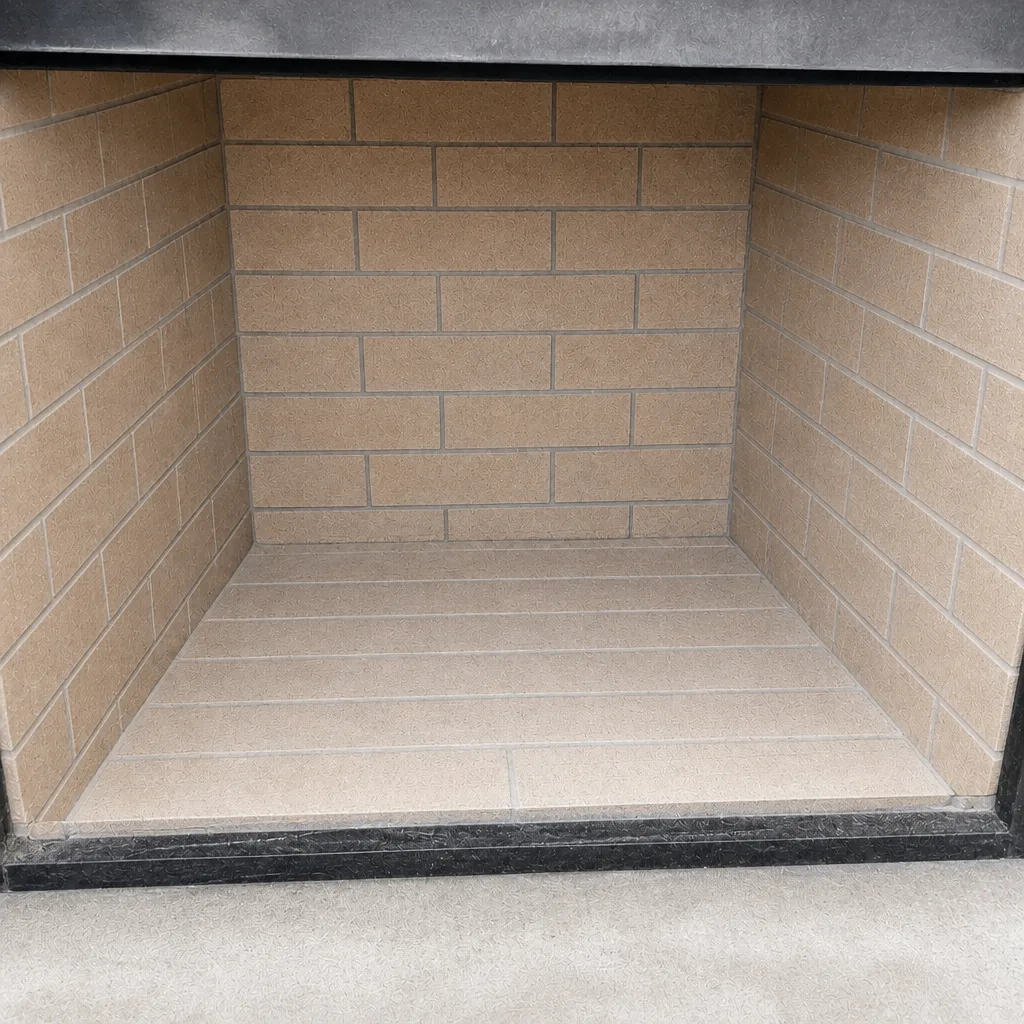
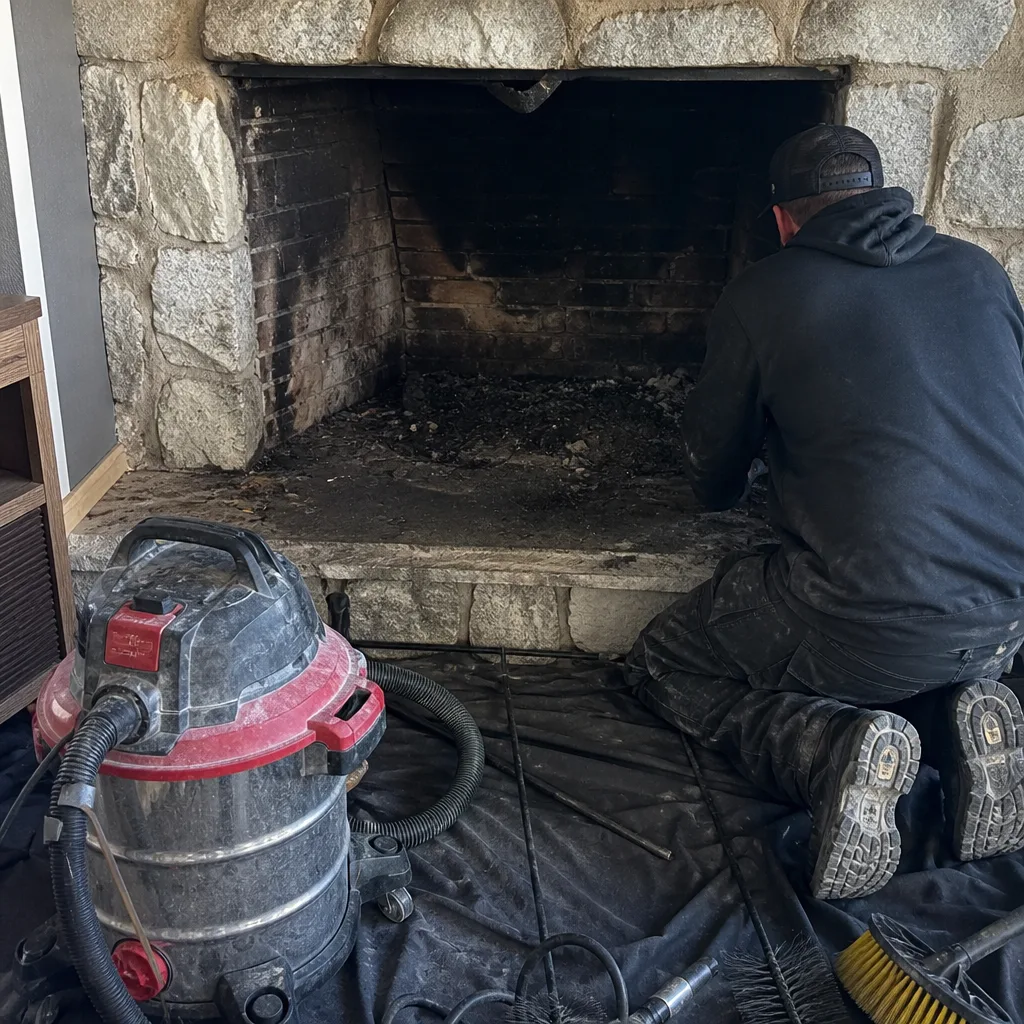
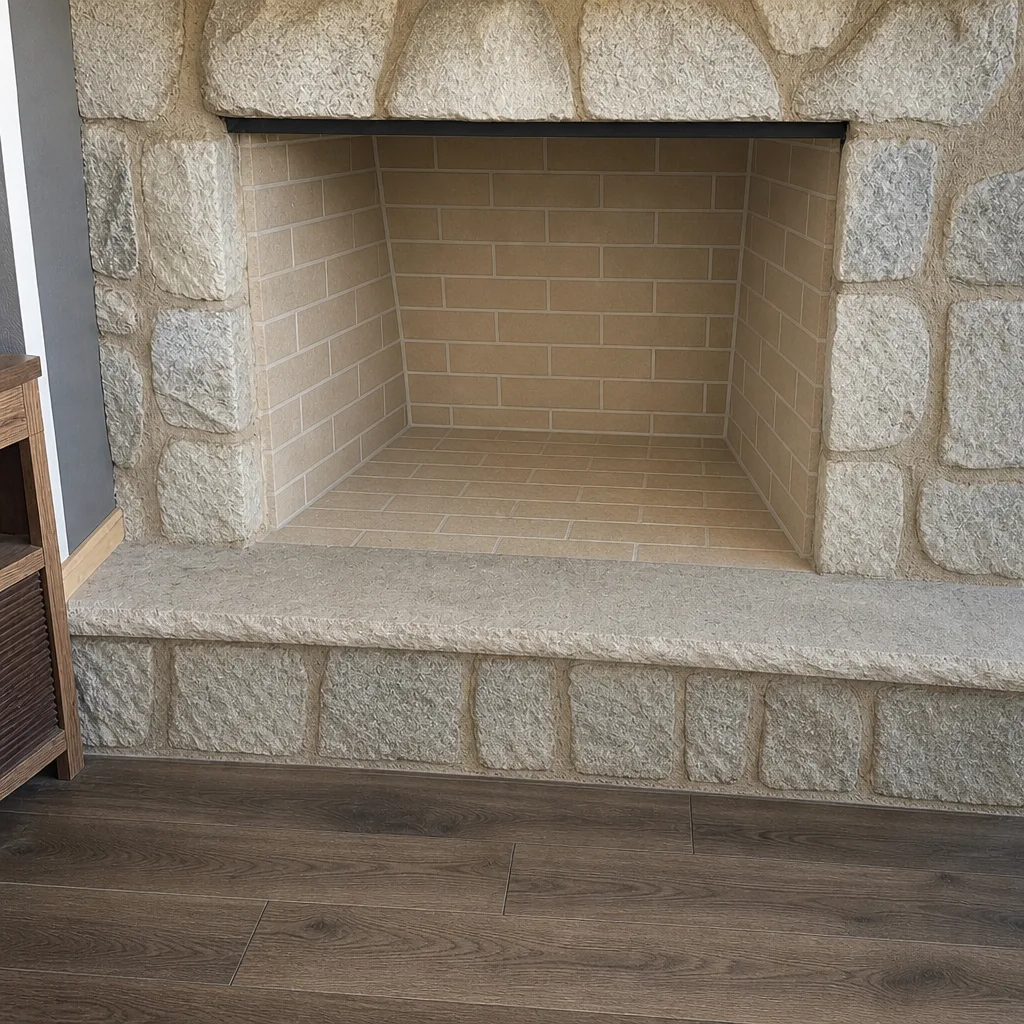
See the difference
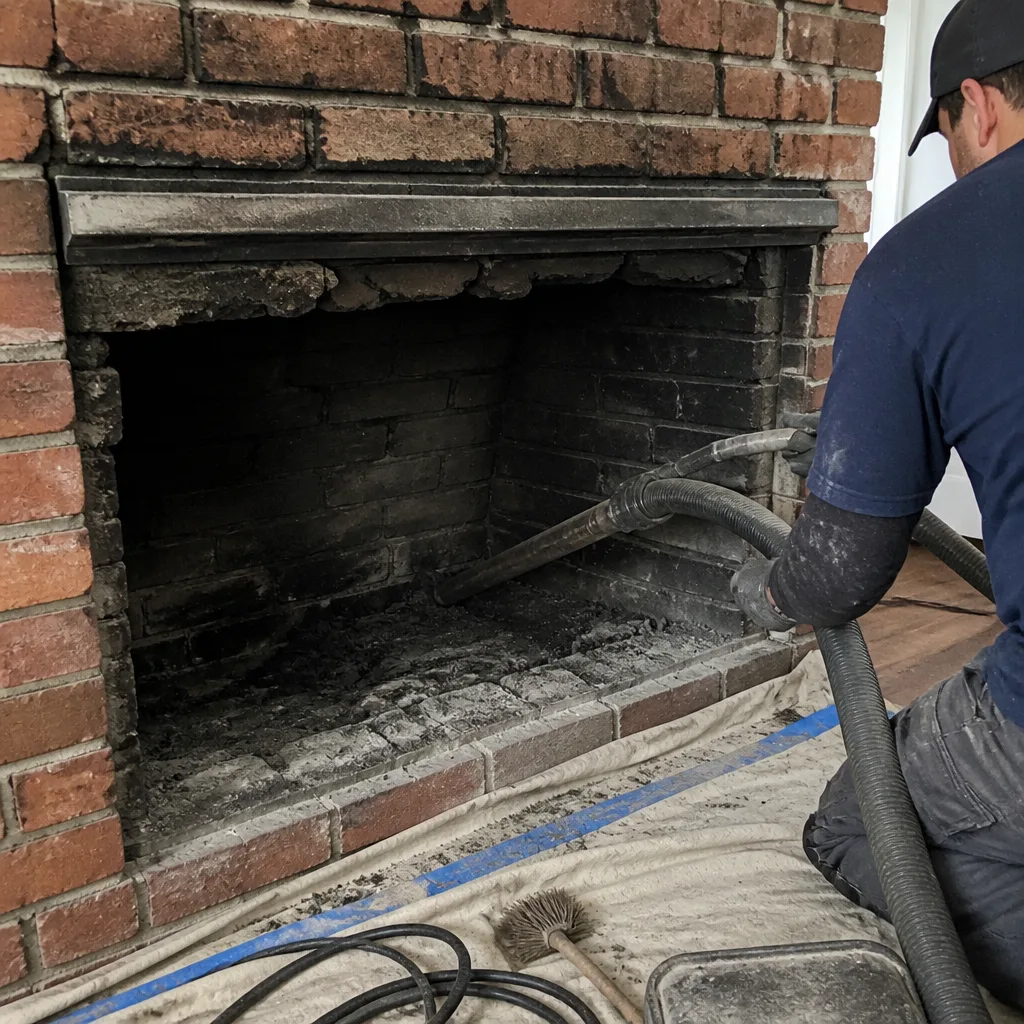 Before
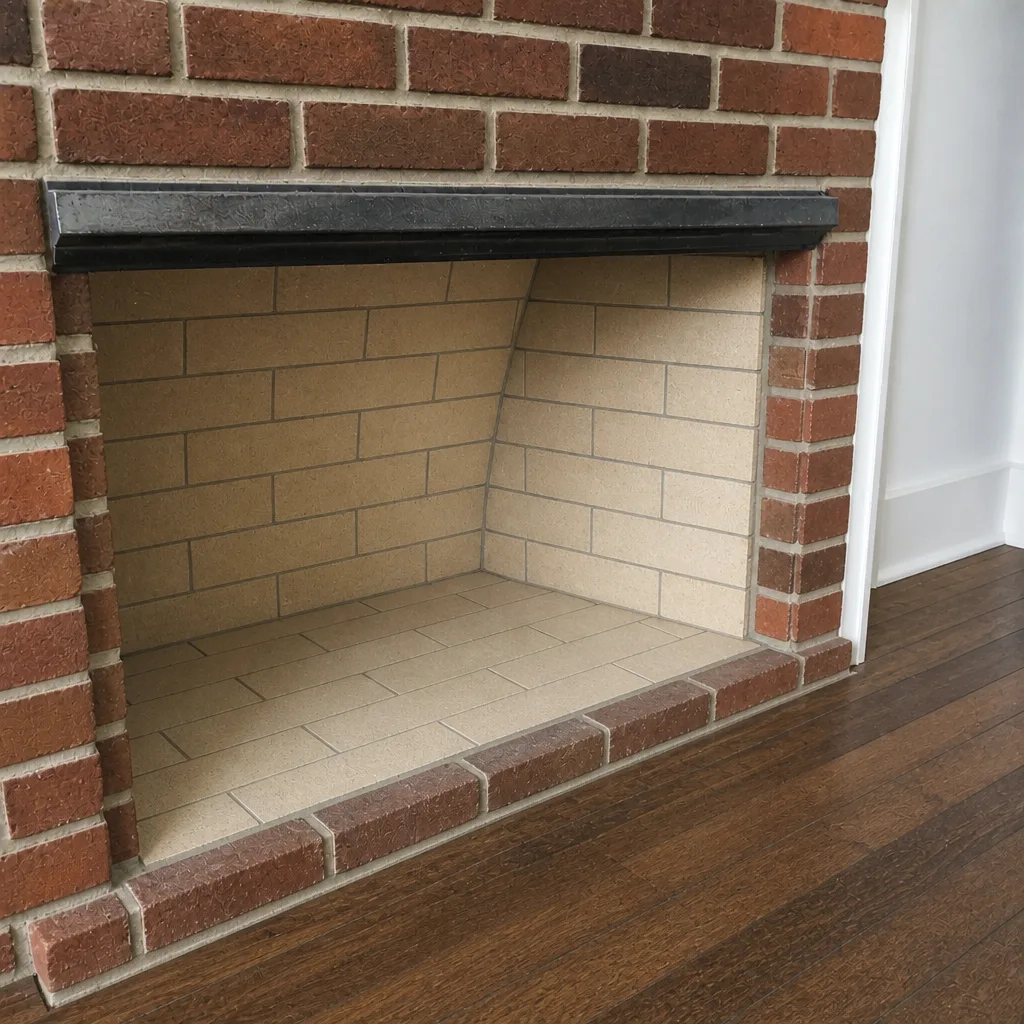 After
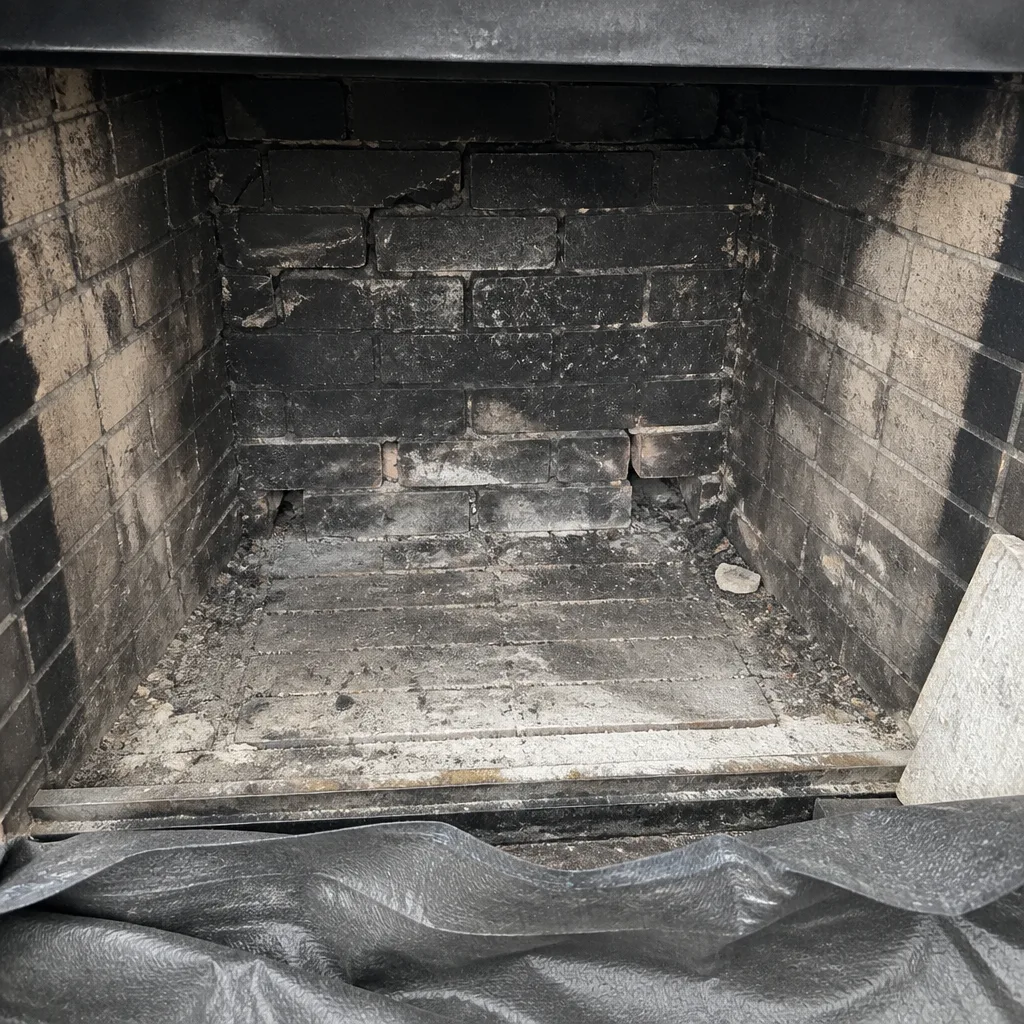 Before
 After
 Before
 After
When to Call a Professional
A homeowner’s checklist is a monitoring tool, not a repair tool. Call a professional when you see a cap that’s visibly shifted or missing a piece, a crown with cracks or missing chunks, a firebox with new cracks wider than hairline, smoke rolling back into the room, a persistent odor with no fire, or after any wind or storm event where something looks different at the top of the chimney. Also call if it’s been more than a year since your last sweep, or if you’ve changed fuel type or significantly increased usage. Anything involving the flue liner, the crown, or the cap belongs in a professional’s hands, not a homeowner’s. Chimney Sweep Kirkland offers free estimates in Kirkland – call (833) 748-1365.
Frequently Asked Questions
A routine sweep is priced per job with a written estimate before booking, and the estimate is free. Call (833) 748-1365 for an exact quote – the written estimate sets the final price, and no work starts until you’ve approved it.
Once a year is the common starting point, but it should be adjusted for fuel type and usage. Burn hardwood regularly, use a gas insert, or run the fireplace most evenings, and the flue accumulates at a different rate; your cleaning log is the best guide for spacing the next sweep.
Only if the flue lining is actually deficient, and a professional inspection is what determines that. HeatShield resurfacing can restore some damaged liners without replacement; a full DuraFlex stainless liner is for more serious deficiencies. Nothing should be recommended without visual evidence you can see for yourself. Call (833) 748-1365 for an exact quote – the inspection and estimate are free.
Creosote builds up on the flue walls, and that buildup is the fuel for a chimney fire. Skipping a sweep also means you don’t catch early cap or crown failures before they let water in. Skipping isn’t an emergency on day one, but it is an accumulating risk, and it’s cheaper to catch it early. Call (833) 748-1365 – estimates are free.
Yes, and you should. From the ground you can see whether the cap is level, whether it’s missing a piece, and whether the crown is cracked. What you should not do is climb onto the roof or reach into the flue. If what you see from the ground looks wrong, call a technician.
The cap is the cover over the flue opening that keeps rain, debris and animals out. The crown is the sloped slab at the top of the masonry that sheds water off the chimney shell. Both fail with age, wind and moisture, and both belong to the same top-of-system check.
The Bottom Line
A chimney maintenance checklist isn’t a substitute for a sweep; it’s what makes the sweep more useful. Monthly visual checks, a pre-season list, a post-season list, a record of odor, draft and smoke rollback, and a cleaning history tied to fuel and usage together give you a clear picture of your system between visits. The parts you can observe tell you when something has changed; the technician finds out why. If anything on this checklist turns up a structural issue, we handle sweeps, inspections, repair, and cap and crown work in one visit. When it comes to your chimney system, a specialist sees the whole picture. Call (833) 748-1365. We answer 24/7. Fast dispatch from 7am to 7pm, Sunday through Friday.
Written by the team at Chimney Sweep Kirkland.