
Last updated November 24, 2026
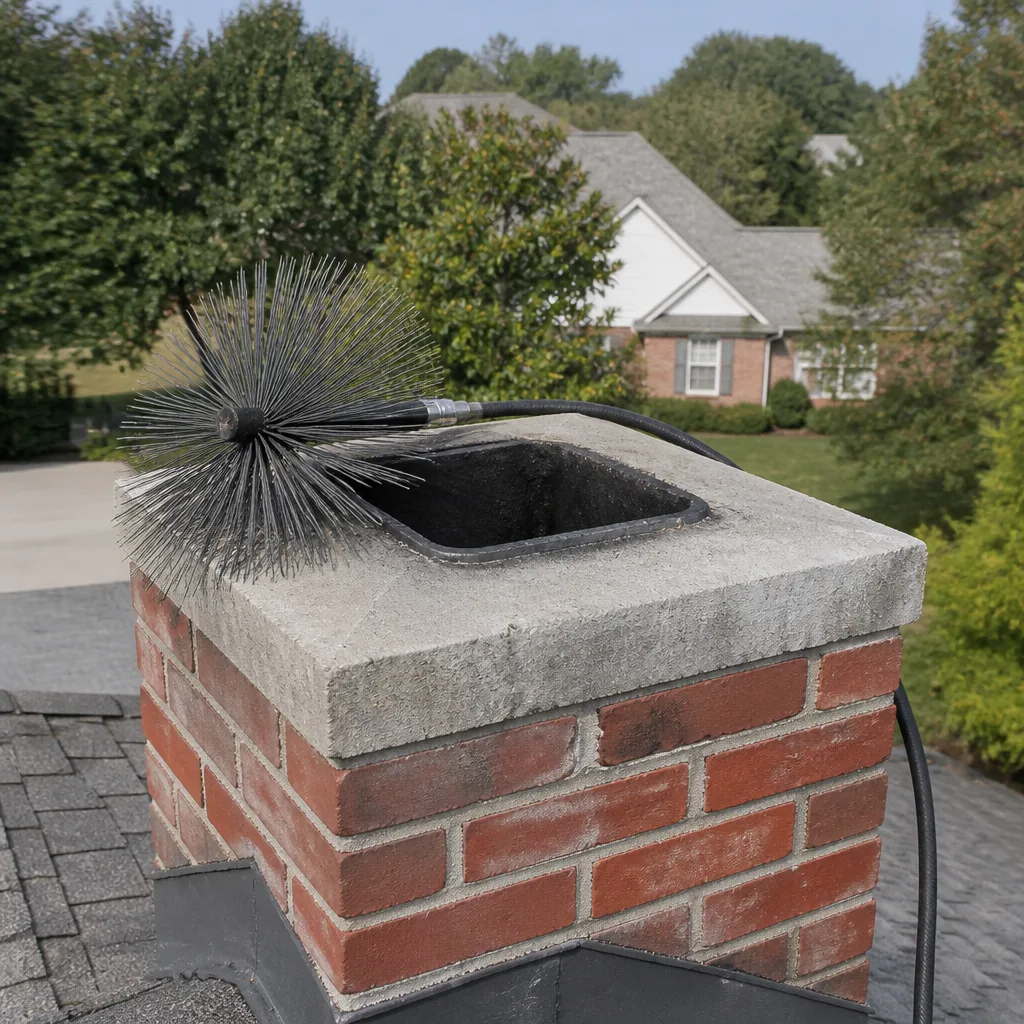 Sweep & inspection
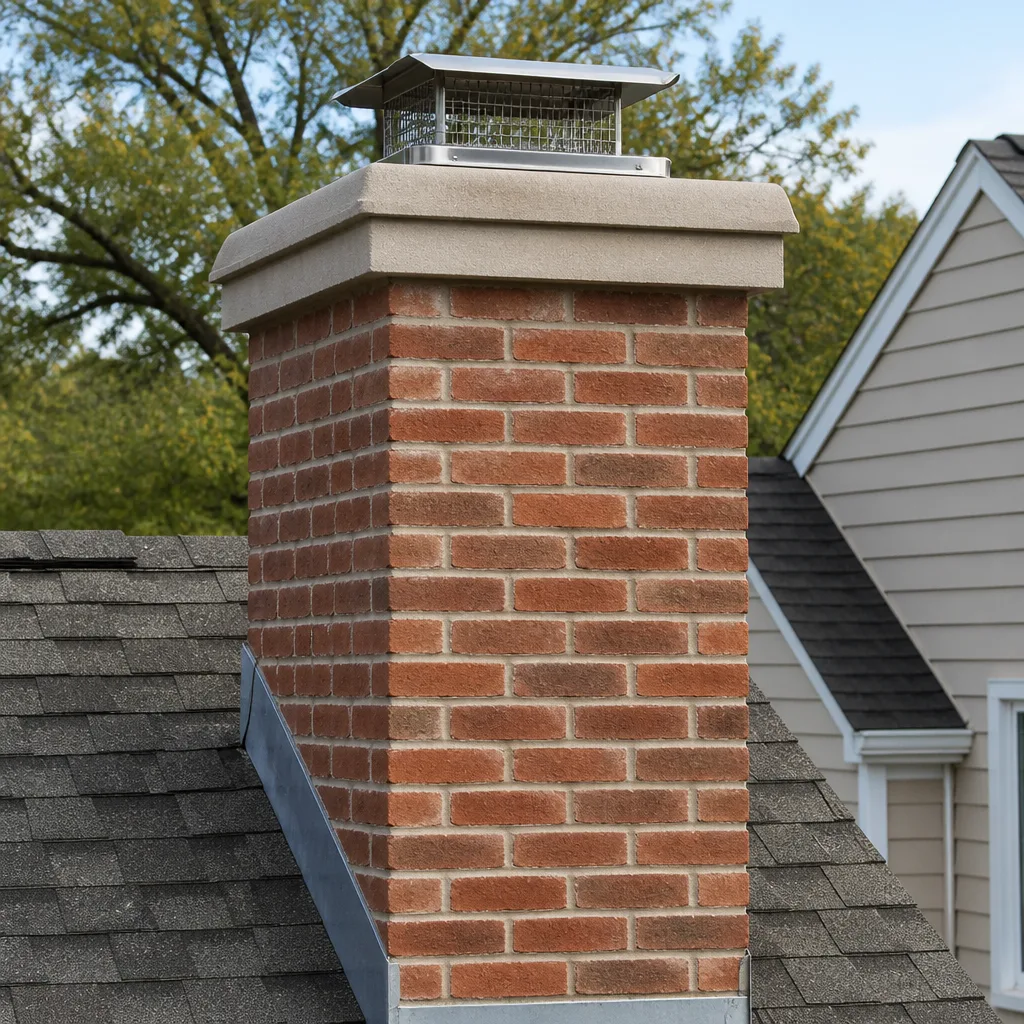 Caps & crowns
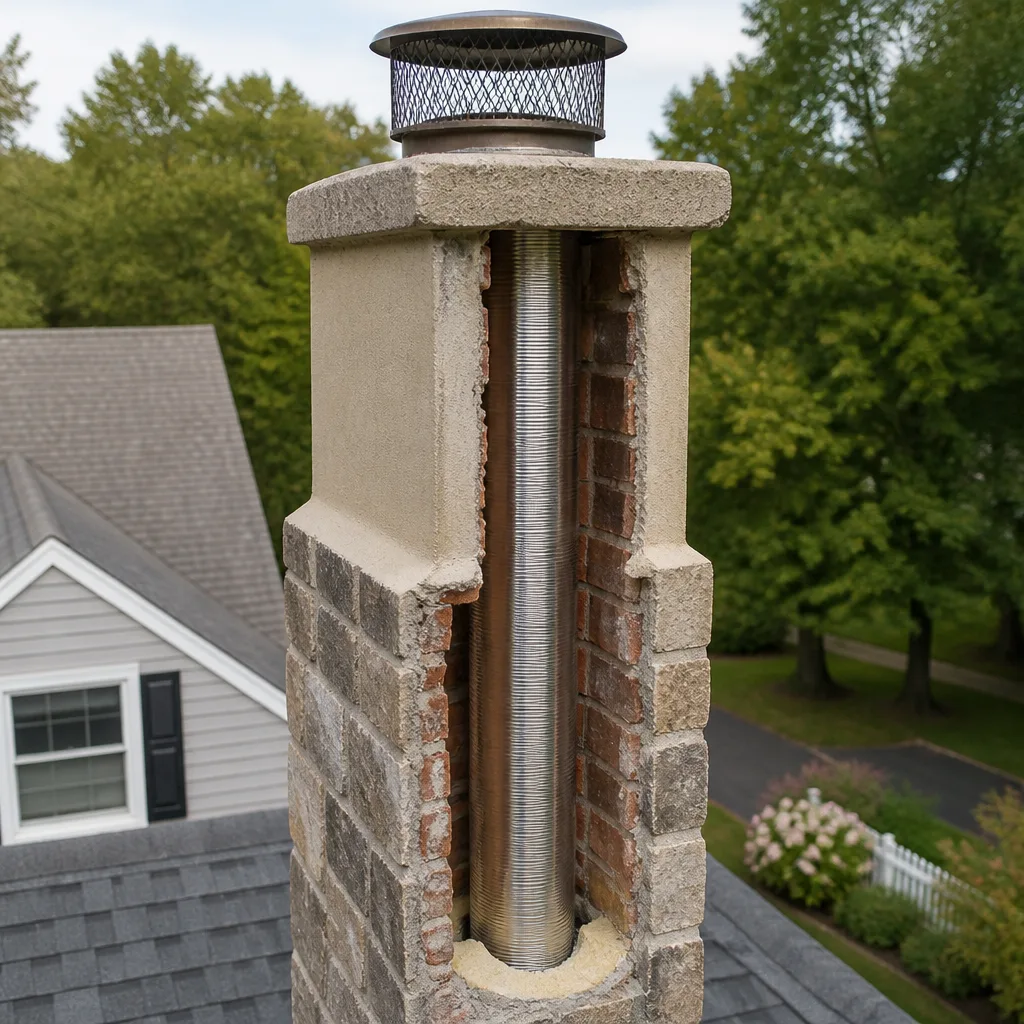 Flue relining
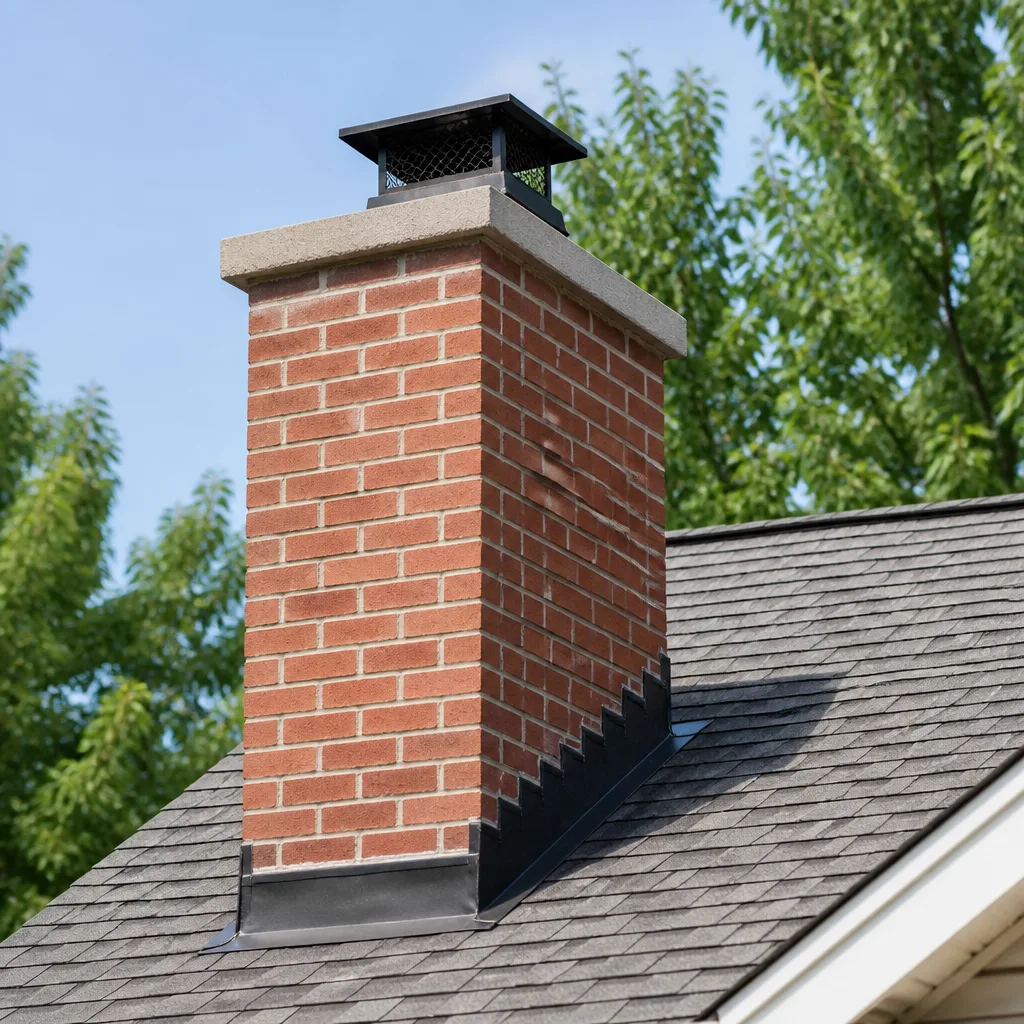 Masonry repair
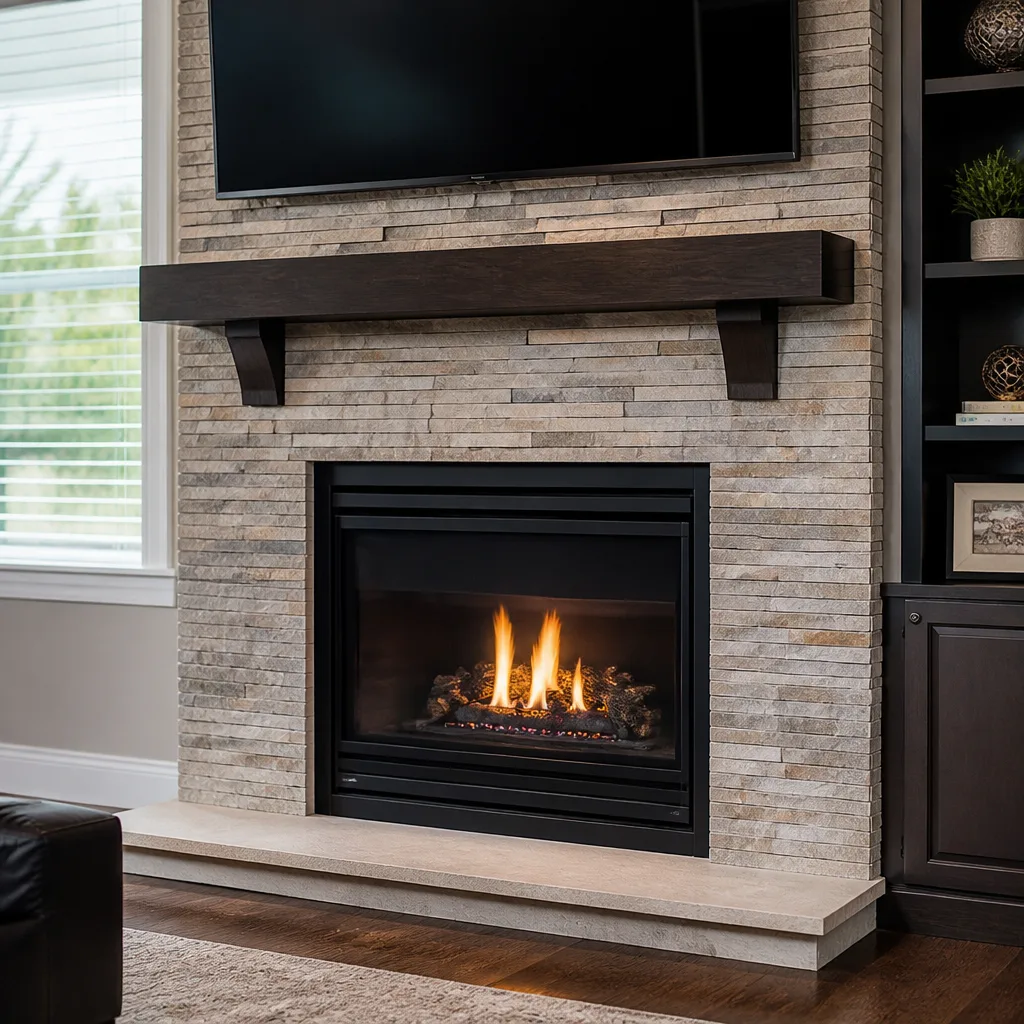 Gas fireplace service
Level 1 sweep and inspection to the NFPA 211 annual standard - flue, crown, cap, and flashing checked and photographed
Chimney sweep logs do not sweep chimneys. They loosen some creosote - which then falls where a brush and vacuum still have to collect it.
DIY vs Professional Chimney Cleaning: The Kirkland Homeowner’s Decision Guide
You can buy the same brushes a professional uses. What you can’t buy at the hardware store is the trained eye that recognizes stage-two creosote before a brush turns it into a chimney fire. That’s the uncomfortable truth behind the DIY chimney cleaning debate, and it’s the part most articles skip. This guide won’t tell you that cleaning your own chimney is reckless or that every home in Kirkland needs a thousand dollars of work. It’ll give you a clear framework for deciding what you can safely handle and what genuinely needs a specialist, based on how chimney systems actually behave in Kirkland’s wet, mild, wood-burning-heavy climate. You’ll finish knowing where DIY works, where it creates a false sense of safety, and how to tell the difference before you make the call.
Quick Answer
DIY chimney brushing can remove soot and loose creosote from the flue and firebox, but it cannot verify liner condition, identify glazed stage-three creosote, check the crown and cap, or confirm a chimney is safe to burn. For a Kirkland home with a masonry chimney, heavy burn seasons, or a fireplace that has changed fuel types, professional cleaning and inspection is the safer choice. A credentialed sweep sees what a homeowner can’t from the top of a ladder or the seat of a firebox.
Styles & brands we work with
- Sweep & inspection
- Caps & crowns
- Flue relining
- Masonry repair
- Gas fireplace service
Table of Contents
- What DIY chimney brushing actually accomplishes
- Why Kirkland conditions make the blind spots matter more
- Equipment gap: rotary systems vs. consumer brush kits
- The creosote stages and why you can’t see the dangerous one
- When professional inspection is non-negotiable in Kirkland
- Selling a Kirkland home: self-certifying a chimney
- The legitimate middle ground between DIY and pro
- Common mistakes to avoid
- When to call a professional
- Frequently asked questions
What DIY chimney brushing actually accomplishes
Let’s be fair to the homeowner with a brush and a ladder: DIY chimney brushing does real work. Running a flue brush down from the roof or up from the firebox removes soot, ash, and the flaky, easily dislodged creosote that builds up on the walls of a flue after a burn season. If your chimney was swept recently and has only a light layer of powdery soot after modest fall and winter use, brushing it yourself can keep the flue from accumulating a thicker deposit before the next professional visit. That’s a legitimate use of DIY equipment, and we won’t pretend otherwise.
Where DIY starts to fail is at the transition from “cleaning” to “inspection.” Brushing a flue tells you nothing about:
- Whether the liner has cracked, spalled, or separated at a joint you can’t see
- Whether the smoke chamber above the damper is coated in glazed creosote
- Whether the crown at the top of the chimney has hairline cracks that let water in
- Whether the cap is properly sized and screened so birds and rain stay out
- Whether the firebox mortar joints have started to fail after years of heat cycling
Those five items are what actually cause chimney fires, water damage, and expensive repairs. A brush doesn’t find them. A technician with a camera, a flashlight, and training does. That’s the honest line between DIY and professional cleaning: DIY handles the visible soot; professional work handles what you can’t see. The other half of the picture is that most homeowners can’t tell when soot has become creosote, and the two behave very differently under a flame.
Why Kirkland conditions make the blind spots matter more
Kirkland sits in the Puget Sound lowlands, and the climate here writes a particular set of rules for chimneys. Winters are long, damp, and cool. Wood burns slowly in a cold, humid season, which is exactly the condition that produces creosote rather than clean soot. Spring and fall bring on-and-off burn habits: a fire one night, then nothing for a week, then a fire again. Those uneven burns, with a cool flue, are creosote factories. A chimney in a drier climate with short, hot burn seasons can tolerate more DIY brushing than a Kirkland chimney typically can.
Layer the local housing stock on top of the climate. Much of Kirkland’s older masonry housing dates to decades when wood was the primary heat source, not a decorative feature. Those chimneys often have clay-tile liners that have been heat-cycled for decades. Some homes on the Eastside have converted a wood-burning fireplace to gas, and the flue that was sized for wood is now venting a different appliance entirely. Others have inserts added after the original construction. Each of these setups needs to be inspected the way it actually operates, not the way the builder intended it to operate.
And then there’s the smoke. Kirkland neighbors notice a chimney that smokes, and they notice it because it affects air quality in dense residential blocks. A chimney that’s dirty at the wrong time of year, or one that smolders because the wood is too wet, is a chimney that puts out visible smoke when a proper clean and a dry-wood habit would put out almost none. None of that is a reason to panic. It’s a reason to know what your chimney is actually doing.
Equipment gap: rotary systems vs. consumer brush kits
Here’s the piece the DIY crowd usually underestimates: the difference between a consumer brush kit and a professional rotary system isn’t the brush. It’s the ability to reach the full flue at the right speed and pressure to remove a deposit that’s bonded to the liner wall. A homeowner with a pull-and-push brush is, in practice, dislodging the soft, easily removable creosote. What’s left behind is the hard, glazed material that actually threatens the flue. That hard material is what a rotary system is designed to break down without cracking the liner.
Beyond the brush itself, a professional sweep brings a set of tools and materials a homeowner isn’t going to buy for one annual clean:
- Rotary flue cleaning systems with interchangeable heads sized to the flue, not a universal brush that fits loosely
- Inspection cameras that show the interior of the flue and smoke chamber, so problems can be documented with photos rather than guessed at
- Creosote-specific treatments for the harder stages of buildup, applied before a rotary sweep
- Professional sealants and repair materials from recognized manufacturers like HeatShield, Gelco, Olympia Chimney, and Famco, used for liners, crowns, and smoke chamber resurfacing
- Chimney-specific drop cloths and negative-air vacuums that keep soot out of the house
The materials list matters because repair is where DIY goes from “limited” to “actively risky.” If your homeowner brush uncovers a damaged liner, the next step isn’t a hardware-store patch. It’s a resurfacing or relining decision that calls for a product designed for the job, and that’s the difference between a chimney that lasts another decade and one that gets patched into a failure. Professional-grade is a real category here, not a marketing word.
The creosote stages and why you can’t see the dangerous one
Creosote forms in three recognizable stages, and only the first one is what a DIY brush reliably handles.
- Stage one: soot and flaky creosote. Powdery, dusty, or lightly crusted. A standard brush removes most of it. This is the material a homeowner is actually cleaning when they sweep their own flue.
- Stage two: hardened, brittle creosote. Bonded to the liner wall, often black and glassy at the edges. A pull brush skips across it rather than removing it. Rotary equipment and the right treatment are needed, and the flue usually needs a professional eye to confirm it’s actually gone.
- Stage three: glazed creosote. Dense, shiny, and fuel-rich. It looks like a coating rather than a deposit, and it can be very hard to see until the flue is lit properly. This is the stage associated with chimney fires, and it is precisely what a DIY sweep cannot identify and should never try to disturb without the right tools and training.
The critical point is that stage two and stage three look similar from a flashlight beam on the end of a homeowner’s arm. The trained eye distinguishes them, and the distinction decides the treatment. A brush taken to glazed creosote without the right preparation can detach sheets of fuel-rich material that will ignite later, when the next fire is lit. That’s not a scare tactic; it’s the reason professional sweeps check the creosote stage before brushing, not after. The two-minute version: a clean-looking flue after a DIY sweep is not the same as a flue that’s confirmed safe.
When professional inspection is non-negotiable in Kirkland
Some homeowner situations are fine to brush between professional visits. Others need a credentialed inspection before the next fire is lit. The list below is the one we’d give a neighbor, and it applies to most Kirkland homes at least once.
Professional inspection is non-negotiable if any of the following is true:
- Heavy burn use. More than a cord of wood a season, or fires on most cold nights through the winter. Creosote builds faster than a brush schedule can keep up with.
- Uncertain wood quality. If you don’t know the moisture content of your firewood, you’re likely burning wood that produces more creosote than it should. Wet wood is the single most common cause of fast buildup.
- An older liner. Clay-tile liners in Kirkland homes that have been heat-cycled for decades are the ones most likely to show cracking, spalling, or joint separation that a homeowner can’t see from the firebox.
- A gas conversion or insert. A fireplace that’s changed fuel type or had an insert added needs an inspection sized to what’s actually installed, not what was originally built.
- A chimney that hasn’t been professionally inspected in years. A DIY-cleaned chimney is not an inspected chimney. If the flue hasn’t been examined by a technician with a camera and the training to read what’s on it, “clean” is an assumption, not a fact.
- A post-fire event of any kind. A small chimney fire, a puff of smoke into the room, a crack heard in the firebox, or a burning smell on a cold day all warrant an inspection before the next fire.
- A home sale. If you’re listing in Kirkland, a self-cleaned chimney is not what most buyers or their agents will accept as documentation of condition.
- Visible damage at the top. A missing cap, a cracked crown, or loose flashing you spotted from the ground needs a proper look, not a DIY patch.
Outside of those conditions, a homeowner who has had a professional inspection within the last couple of seasons can reasonably brush between visits. The trick is knowing which side of that list you’re actually on.
Selling a Kirkland home: self-certifying a chimney
When a chimney becomes a real estate question, the DIY calculation changes. A Kirkland seller who cleans their own chimney and then tells a buyer “it’s been cleaned” is, in practical terms, self-certifying the condition of a system they can’t fully see. That’s not a legal problem in most cases. It’s a disclosure and inspection problem. A buyer’s agent or inspector will often want to see documentation that the chimney was professionally cleaned and inspected, especially in older Eastside homes where the chimney is a visible feature of the house. If something is later found to be wrong, “I cleaned it myself” is not a comfortable position to be in, either in a negotiation or in a conversation with your own insurer.
A professional sweep solves this in one visit. You get a documented cleaning, a photo report of the flue and crown, and a record of any issue that came up. If something is found, it’s found by the same company that can perform the repair, which means no gap between “the sweep found a problem” and “someone else has to fix it.” That single-source path matters more than it sounds. A homeowner holding a DIY brush, a photo from the roof, and a soft spot in a smoke chamber has three separate questions and no clear next step. A homeowner with a camera report, a written recommendation, and a company that handles the repair from the firebox to the crown has a plan.
If you’re preparing a Kirkland home for sale, the sensible order is: professional inspection first, then repair or cleaning as needed, then the report in the seller’s package. Doing it in the other order, cleaning first and hoping inspection finds nothing, is how small issues become negotiation items.
The legitimate middle ground between DIY and pro
Most homeowners who ask us “can I just clean it myself?” are really asking whether they have to pick a side. They don’t. There’s a real middle ground, and it works for a lot of Kirkland homes if the homeowner is honest about what they’re doing and what they’re not.
What a homeowner can reasonably maintain between professional visits:
- Keep the firebox clean. Remove ash regularly and check that the firebox mortar joints look intact. A flashlight across the brick will show any obvious cracks.
- Watch the cap from the ground. Binoculars are fine. A cap that’s missing, dislodged, or full of debris is a phone call, not a project.
- Manage the wood. Dry, seasoned wood burned hot produces less creosote than wet wood burned slow. This is the single biggest lever a homeowner controls, and it costs nothing.
- Notice the smoke. If your chimney is visibly smoking on a cold day, that’s information. It’s not automatically a problem, but it’s worth a call.
- Brush a lightly soiled flue only if it was professionally inspected recently and you’re certain the deposit is soft, powdery soot, not creosote.
What a homeowner should not try to handle, even with good tools and good intentions:
- Removing hardened or glazed creosote
- Any kind of liner repair or relining
- Crown, cap, or flashing work above the roofline
- Smoke chamber resurfacing
- Diagnosing why a fireplace smokes into the room
The middle ground works when the professional baseline is current. A homeowner who had a Chimney Sweep Kirkland inspection this season and is brushing between visits is doing the right thing. A homeowner who has never had one is guessing, and the difference between those two homeowners is not the brush.
Common Mistakes to Avoid
- Assuming a clean-looking firebox means a clean flue. A tidy firebox says nothing about the smoke chamber above the damper or the liner above that. The dangerous creosote is almost always in the parts you can’t see from the room.
- Using a wire brush on a modern liner without knowing the liner material. Wire brushes can score metal liners and damage the surface. If you don’t know what your flue is lined with, that’s a professional question, not a hardware-store one.
- Burning wet wood because it’s what’s available. In Kirkland’s damp winters, firewood that hasn’t been properly seasoned is the fastest route to stage-two creosote. Buy dry, store it covered, and don’t burn what sizzles.
- Skipping the roof-end inspection. The cap, crown, and top of the flue are where weather damage starts and where a missing screen lets debris in. A firebox-only look misses all of it.
- Treating a small chimney fire as “self-extinguished and fine.” A chimney fire, even a brief one, can crack a clay liner invisibly. The next fire is the one that finds the crack.
- Self-certifying before a sale. A DIY-cleaned chimney in a Kirkland home sale is not documentation. It’s a disclosure risk that a professional sweep and report removes.
- Confusing a chimney sweep with a general handyman. Chimney work is its own trade. A generalist can brush a flue; a chimney specialist knows what the flue is telling them.
When to Call a Professional
Call a professional when any of these describe your situation: heavy fire use, uncertain firewood, an older liner, a gas conversion or insert, a chimney fire or smoke event, a home sale, visible damage at the top, or simply the fact that the flue hasn’t been inspected by a trained eye in years. Those last two are the ones homeowners skip, and they’re the ones that matter most. A professional sweep is not just a cleaning; it’s the inspection that tells you whether your chimney is safe to use this season, backed by a photo report you can see for yourself. If nothing needs repair, we tell you so. Chimney Sweep Kirkland offers free estimates in Kirkland. Call (833) 748-1365.
Frequently Asked Questions
You can brush a lightly soiled flue yourself, but you can’t confirm the flue is safe without an inspection. A DIY brush removes soft soot and stage-one creosote; it doesn’t identify cracked liners, glazed creosote in the smoke chamber, or damaged crowns. The professional part is the inspection, not the brushing. Call (833) 748-1365 for an inspection and a free estimate.
In Kirkland’s climate, once a year is the sensible default for any home that burns wood regularly, and more often with heavy use or wet firewood. The inspection is what determines whether a cleaning is actually needed that season. Annual inspection catches problems early, and it costs far less than a repair discovered later.
Creosote keeps building, and eventually the stage-two and stage-three layers that a DIY brush can’t remove become the fuel load for a chimney fire. The other common outcome is water damage: a cracked crown or missing cap lets rain in, and the liner starts to spall and fail. Neither is inevitable, and neither happens overnight. Skipping inspection just means you don’t know which stage you’re at.
Yes, a professional sweep costs more than a homeowner brush and a ladder, and the price is set per job by a written estimate. The trade-off is that you get an inspection, a photo report, and the assurance that the flue has been checked by someone trained to read it. Free estimates mean you can find out your chimney’s actual condition before deciding on any work.
Yes, gas fireplaces and inserts still need inspection, and often a different one than a wood-burning chimney. A flue sized for wood but now venting gas needs a technician who can check the flue against the appliance actually installed. Many Kirkland homes have gone through this conversion, and it’s a common source of problems that a homeowner won’t spot. Call (833) 748-1365 to schedule an inspection.
Professional cleaning includes a full-flue rotary sweep, an inspection of the flue, smoke chamber, firebox, crown, and cap, a photo report of what we found, and a clear recommendation on any repair. It also means chimney-specific materials for any repair, from professional-grade brands such as HeatShield, Gelco, Olympia Chimney, and Famco, rather than a hardware-store substitute. That’s the difference between a sweep and a system check. Call (833) 748-1365 for a free estimate.
The Bottom Line
DIY chimney cleaning is a reasonable habit for a Kirkland homeowner who has had a recent professional inspection and is brushing light soot between visits. It’s a false sense of safety for a homeowner who hasn’t. The blind spots are what matter: creosote stage, liner condition, crown and cap, smoke chamber, and the flue-to-appliance fit after a conversion. Those are the parts of your chimney that cause fires and water damage, and none of them are visible from the firebox or the end of a homeowner brush. A professional chimney sweep is an inspection with a cleaning attached, and when something needs repair, the same company handles it from the firebox to the crown. That’s the framework. Use it honestly, and your chimney will serve you well for the long term. For repair needs that come up along the way, our chimney repair and fireplace repair teams cover the structural and functional work this guide points to. Our technicians have up to 10 years of experience.
Get a Free Estimate in Kirkland
If you’re weighing DIY against a professional sweep this season, the cleanest way to decide is to start with an inspection. We work with professional-grade materials, we show you what we find, and we tell you plainly when work can safely wait. Chimney Sweep Kirkland handles sweeping, inspection, fireplace repair, chimney repair, and cap and crown work, all on the same chimney system, with no second contractor to call. Call (833) 748-1365 for a free estimate. We answer 24/7, with fast dispatch from 7am to 7pm, Sunday through Friday.
Written by the team at Chimney Sweep Kirkland.
See the difference
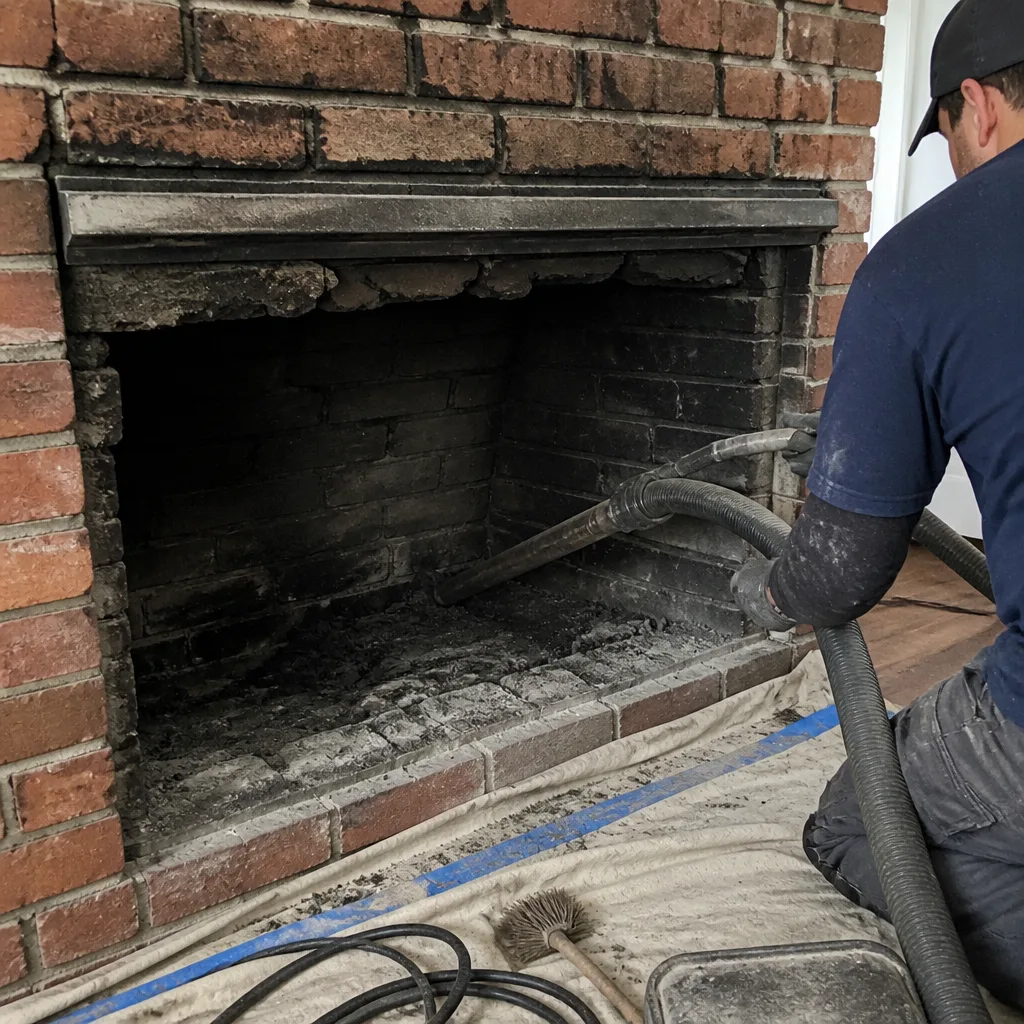 Before
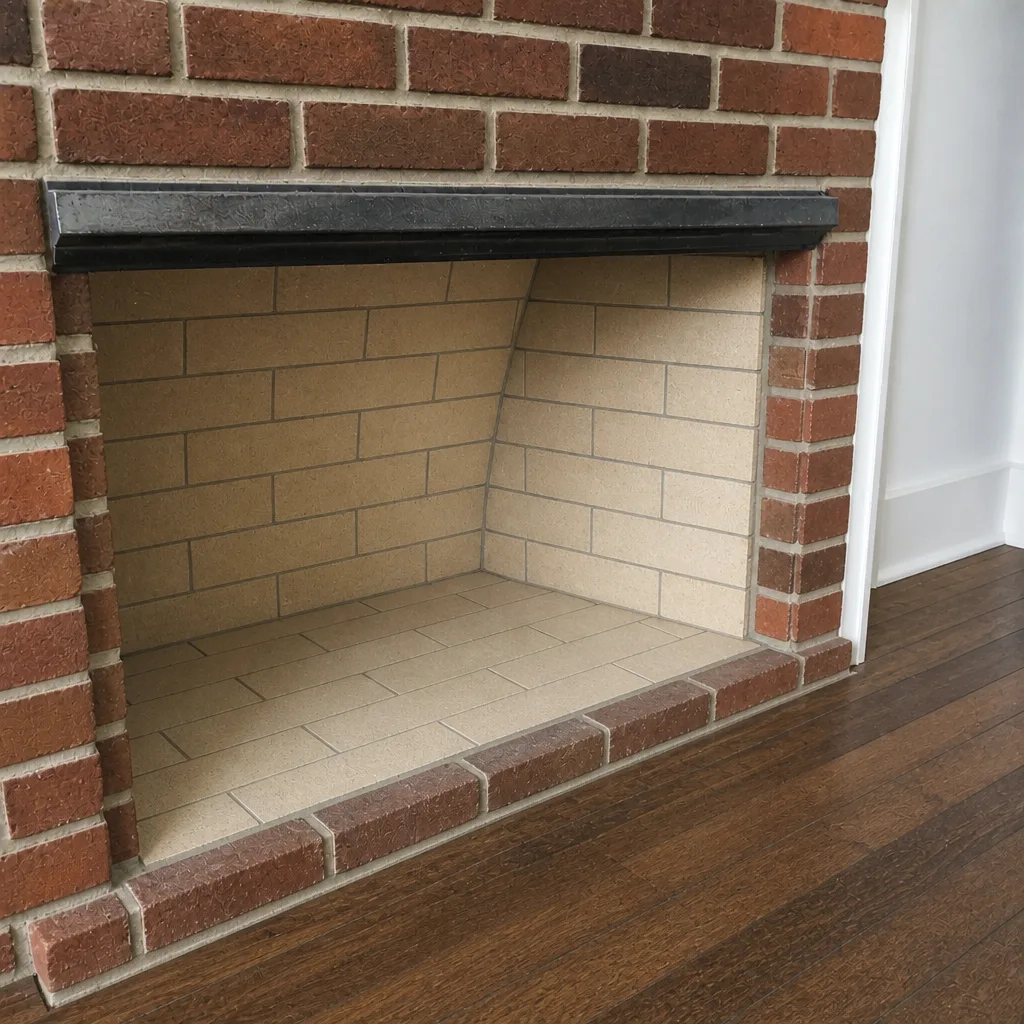 After
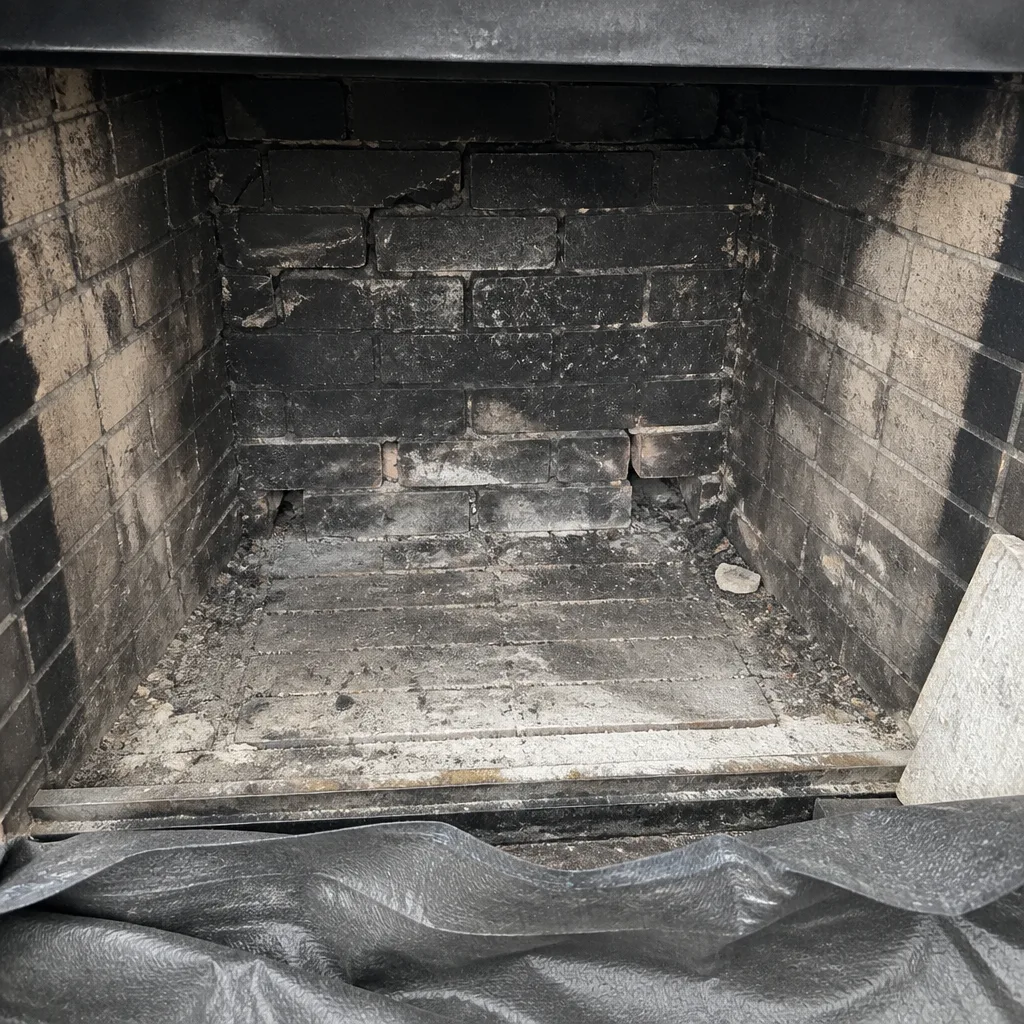 Before
 After
 Before
 After