
Last updated November 24, 2026
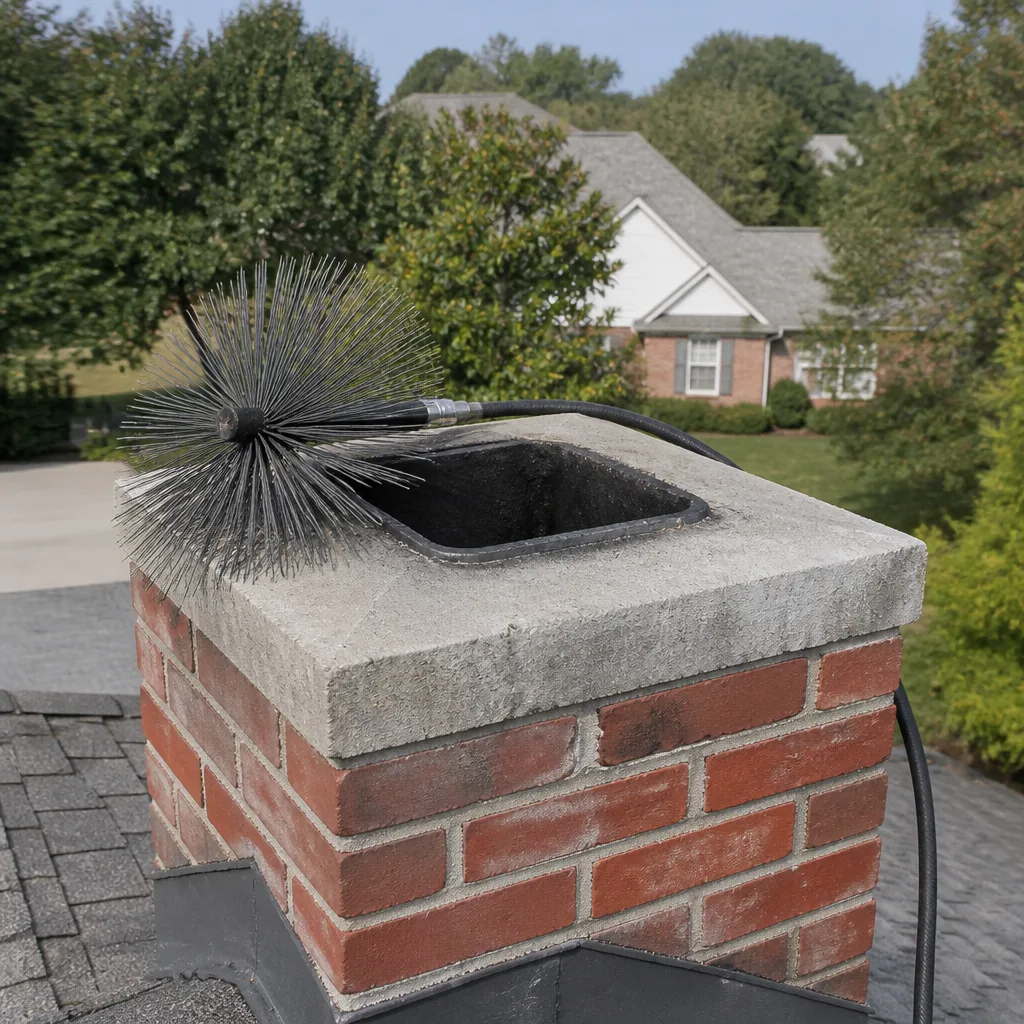 Sweep & inspection
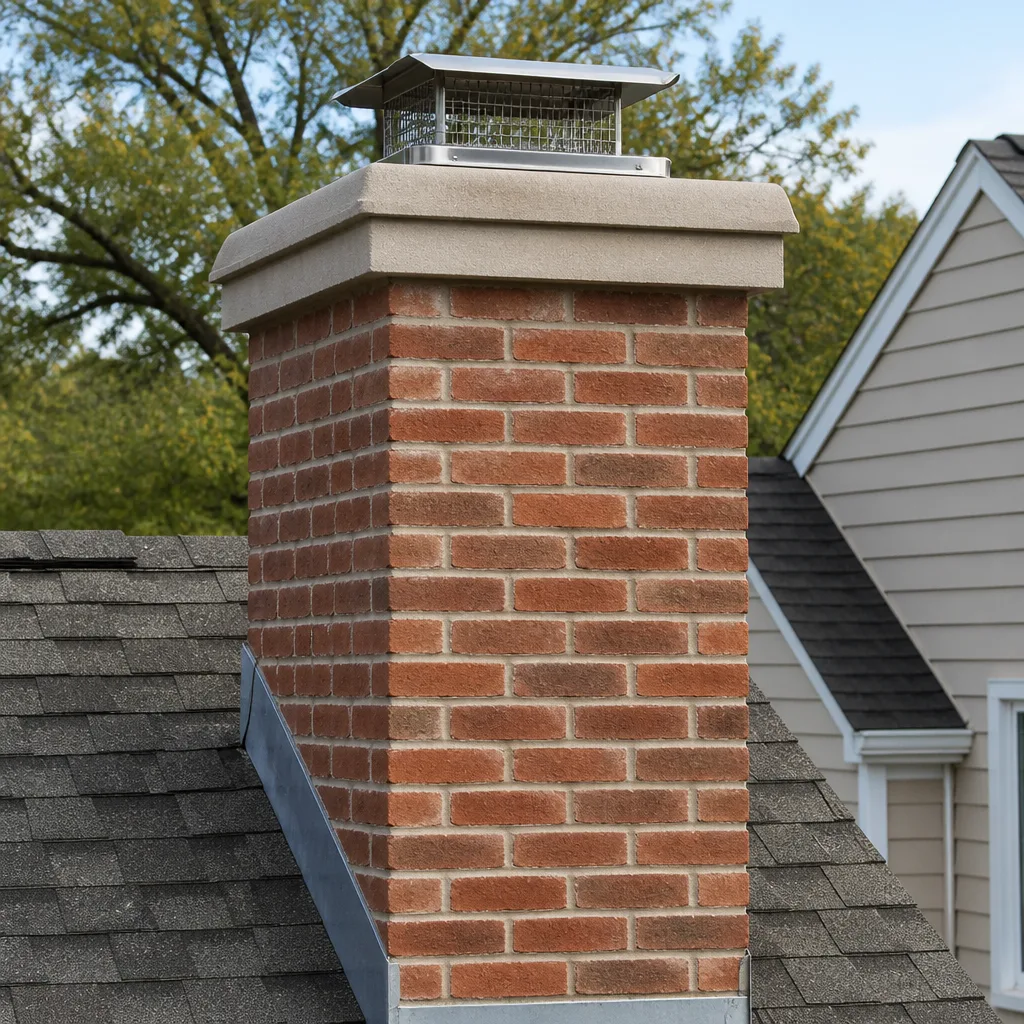 Caps & crowns
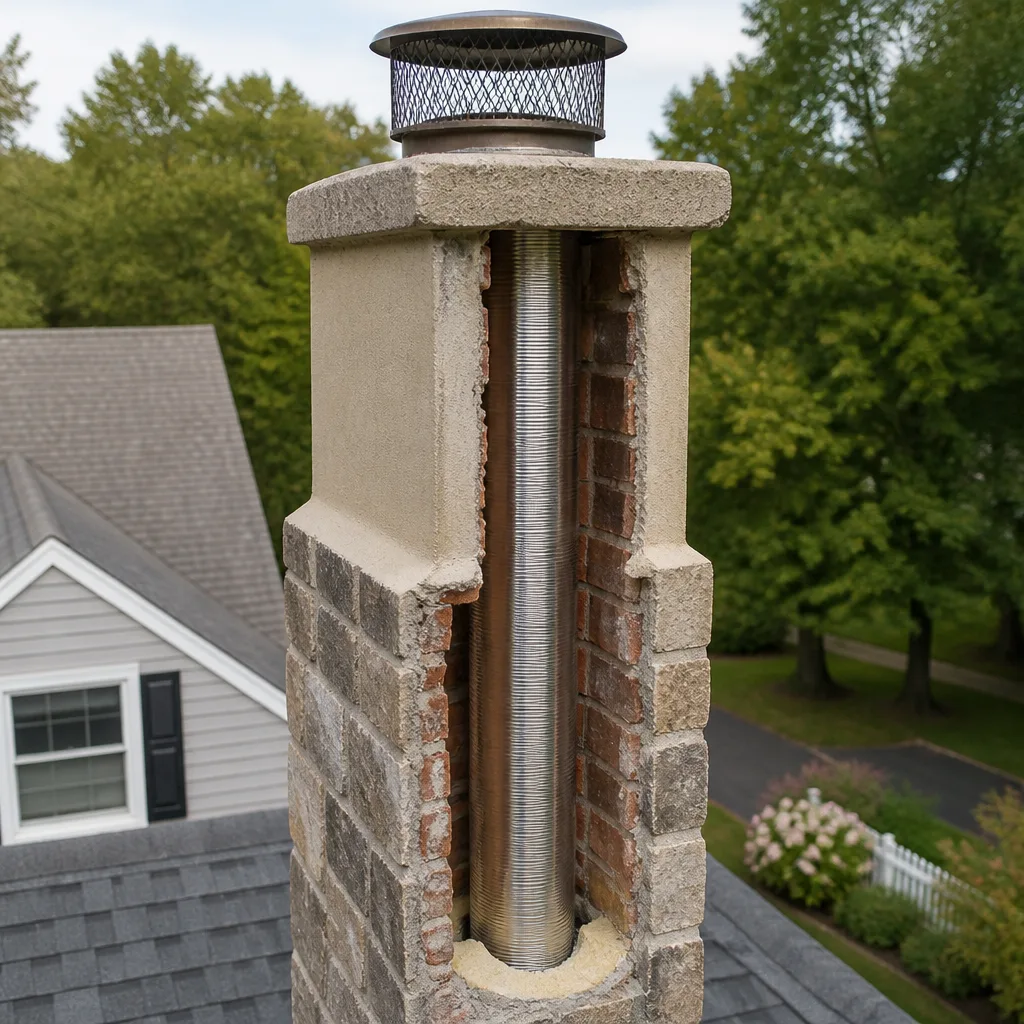 Flue relining
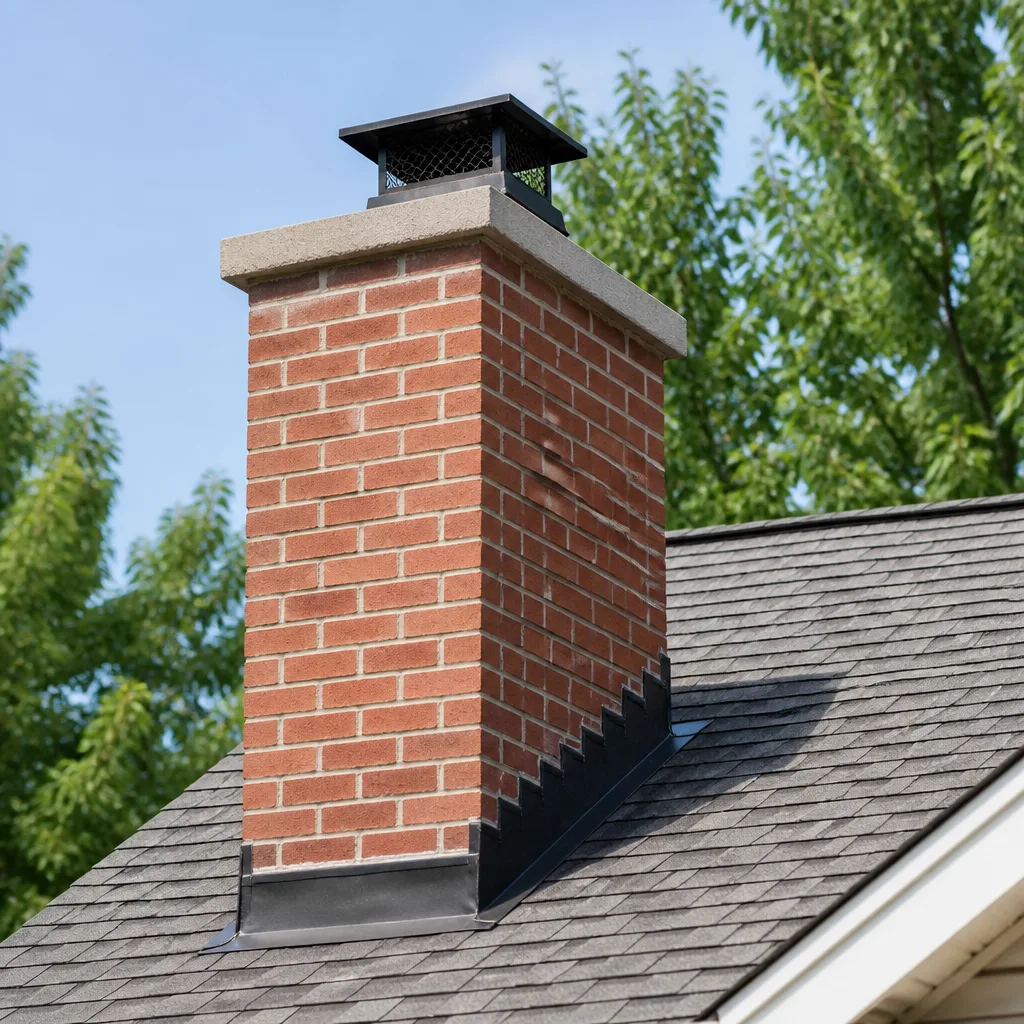 Masonry repair
 Gas fireplace service
Level 1 sweep and inspection to the NFPA 211 annual standard - flue, crown, cap, and flashing checked and photographed
Chimney sweep logs do not sweep chimneys. They loosen some creosote - which then falls where a brush and vacuum still have to collect it.
Seasonal Chimney Cleaning Care for Kirkland: Year-Round Homeowner’s Guide
Most chimney care advice you’ll find online was written for a climate with four distinct seasons and a dry summer. Kirkland doesn’t work that way. Here, the practical year runs on two very different halves: a long wet stretch where moisture is the main enemy of your masonry and liner, and a short dry window in late summer when the flue finally has a chance to dry out and be properly cleaned before you light the first fire. That inverted rhythm changes when you should sweep, what you should inspect, and how you should treat a chimney that only gets used now and then. In this guide we’ll walk through the Kirkland chimney calendar month by month, explain what moisture and creosote actually do to a flue over a wet season, and show you how to plan a year of care around real Pacific Northwest conditions.
Quick Answer
In Kirkland, the best time to schedule a chimney sweep is late summer, roughly August through September, so the flue is cleaned and inspected before the burning season begins and before the wet weather returns. Spring is the time for inspection and moisture protection after the fire season ends, and winter is for mid-season checks if you burn heavily. Sweeping once a year is the baseline for most wood-burning fireplaces, and any chimney with heavy use or a known draft problem may need more.
Styles & brands we work with
- Sweep & inspection
- Caps & crowns
- Flue relining
- Masonry repair
- Gas fireplace service
Table of Contents
- Why the Kirkland Chimney Calendar Looks Different
- The Late Summer Sweep Window: August and September
- What Happens to an Unswept Chimney During the Wet Season
- Spring Tasks: Inspecting and Treating Before the Flue Sits Dormant
- Sporadic Fireplace vs. Primary Heating Appliance
- Winter Mid-Season Checks
- How a Professional Sweep and Inspection Actually Works
- Kirkland Neighborhoods and Chimney Conditions
Why the Kirkland Chimney Calendar Looks Different
If you search for chimney advice aimed at a national audience, you’ll usually get the same tune: sweep in the fall, and you’re done. That’s a reasonable rule for a place with a long dry autumn. Kirkland doesn’t have one. Our rainy season typically starts in the fall and runs deep into spring, which means your chimney is exposed to moisture for the better part of nine months out of the year. That single fact reshapes the whole schedule.
The problem is what happens to a flue that hasn’t been swept when the rain arrives. Creosote, the tarry residue that builds up on the inside of a chimney as wood burns, is hygroscopic. It pulls moisture out of the air. In a wet climate, that means an unswept flue is quietly absorbing water all through the rainy months, which can soften the creosote, cause it to migrate onto the liner, and eventually set up conditions for a chimney fire the next time you burn hard. A clean flue, by contrast, starts the wet season dry and stays drier.
So the calendar here has two anchor points, not one:
- Late summer (roughly August to September): the sweep and inspection window, when the flue is driest and you’re months away from the first serious fire.
- Spring (roughly March to May): the moisture and structure window, when you assess what the wet season did to the crown, cap, flashing, and masonry and address it before the flue sits unused all summer.
Everything else in this guide builds off those two anchors. If you can only remember one thing, remember that in Kirkland the fall is a check, not a start. The work is done before it.
The Late Summer Sweep Window: August and September
August and September are the best months to book a sweep in Kirkland. The rainy season is at its lowest ebb, the flue has likely dried out from the previous winter, and you’re still weeks away from burning consistently. That gives a technician the clearest picture of the interior of the chimney and gives you the longest stretch of clean-burning before the next wet season.
Book in August rather than late September for two practical reasons. First, the calendar fills up quickly as homeowners realize the burning season is approaching. Second, if the inspection turns up a problem, whether that’s a cracked liner, a deteriorated crown, or heavy creosote that needs special attention, you want the time to address it before the first cold snap. A discovered problem in August is a scheduled repair. A discovered problem in the first week of October is often a scramble.
Here’s how a typical late summer visit flows:
- Call and book a sweep. The technician arrives and protects the floor and surrounding area before doing anything.
- Sweep the flue. Brushes sized to your flue remove soot and creosote, and a camera inspection is performed so you can see the flue interior for yourself.
- Inspect the whole system. Firebox, damper, smoke chamber, flue, cap, crown, and exterior masonry all get checked, not just the part they swept.
- Review the findings with you. You see the photos, and the technician explains what’s normal, what needs watching, and what needs repair.
- Schedule any repairs. If something needs attention, you book it now, with breathing room, rather than in a panic.
Late summer is also when a full Chimney Sweep Kirkland visit makes the most sense: a professional sweep and a full-system inspection together, five categories of service in one visit, and no need to call anyone else. A dedicated specialist can identify problems before they become fire hazards or expensive failures.
What Happens to an Unswept Chimney During the Wet Season
In a wet climate, an unswept chimney does something quietly hazardous over the rainy season: it absorbs water. A clean flue is designed to shed moisture as vapor, and for the most part it does. A dirty flue, coated in creosote, does not. The result is a slow accumulation of problems that aren’t visible from the firebox.
The chemistry is simple enough. Creosote is a byproduct of incomplete combustion, which means it’s rich in unburned compounds, and those compounds are hygroscopic: they attract and hold water. In a dry climate, that’s a minor concern. In Kirkland, it’s the central issue for a chimney. As moisture works its way into creosote deposits, the deposits can soften, migrate onto the liner, and create a slick, hard coating that ordinary sweeping can’t remove. Once that happens, the flue is no longer behaving the way it was engineered to.
At the same time, the exterior of the chimney is dealing with the same wet weather:
- The crown: the concrete cap at the top of the chimney. Cracks let water run down inside the masonry, where it can freeze in a cold snap and expand.
- The cap and spark screen: missing or damaged caps let rain, birds, and debris into the flue. This is the single most common thing we see on inspection.
- Flashing: the metal seal where the chimney meets the roof. Failed flashing is one of the most common sources of a slow interior water leak that has nothing to do with your fireplace at all.
- The firebox and smoke chamber: water can settle here when a chimney isn’t capped, and the smoke chamber is often the last thing a homeowner thinks to check.
That’s why a cap and crown aren’t an add-on in Kirkland. They’re the frontline defense of the whole system against the wet season. Proper protection extends the life of the chimney more reliably than any single repair, and it costs far less than fixing the damage that a missing cap allows.
Spring Tasks: Inspecting and Treating Before the Flue Sits Dormant
Once the burning season winds down, usually in spring, the chimney enters its dormant stretch. It sits unused for months while the wet season tapers off and the weather warms. This is the second anchor of the Kirkland calendar, and it’s the one most homeowners skip.
Spring is the time to assess what the winter did, and to make sure the flue is in good shape before it sits idle for months. Specifically, here’s what a spring visit should cover:
- Check the crown and cap. Look for cracks in the crown, a loose or missing cap, and a spark screen that’s been damaged or clogged.
- Inspect the exterior masonry. Look for spalling (flaking) brick, crumbling mortar joints, and visible cracks, all of which let water in.
- Check the flashing. Confirm the roof seal is intact, because a small leak in spring becomes a big one by fall.
- Look at the firebox and damper. Note any interior cracking, and confirm the damper opens, closes, and seals properly.
- Assess the liner. A camera inspection shows whether the liner is intact, and whether a resurfacing product like HeatShield is worth considering before minor damage progresses.
The point of spring work is to prevent, not repair. If the crown needs resealing or a cap needs replacing, doing it in spring gives the repair the dry months to cure properly and the whole system the dry season to settle. Doing it in late fall means you’re working against the rain. It also keeps the flue from sitting dormant all summer with an open cap, which is exactly how birds, squirrels, and nesting debris get inside.
If you use a masonry chimney and haven’t looked at the crown or cap recently, this is the time. A chimney repair visit in spring is usually far less expensive than one in fall.
Sporadic Fireplace vs. Primary Heating Appliance
How often you burn should change how often you sweep. The two most common fireplace homes in Kirkland are the occasional wood-burning fireplace and the primary-heating appliance, and they need different schedules.
Sporadic use (a few fires a month)
If your fireplace sees a handful of fires during the colder months, an annual sweep is usually more than enough. The annual visit is really a full-system inspection with a sweep as needed, and the value is the inspection: catching a liner crack or a crown problem early. For a rarely used fireplace, the biggest risks are usually not creosote buildup at all but intrusion: a missing cap, a bird’s nest, a damper that’s stuck. Those get caught by an inspection, which is why an annual check still matters even if you barely burn.
Primary heating use (fires most days in the cold months)
If you’re heating with wood most days, plan on more than one sweep per year, and treat the mid-season check as a real thing rather than an afterthought. Heavy use means faster creosote accumulation, and in a wet climate the flue isn’t drying out the way it would in a drier place. A late-summer sweep plus a mid-winter check is a reasonable baseline, and a professional can help you tune the schedule based on what they find.
Wood quality matters here too. Seasoned, dry wood burns hotter and cleaner, which slows creosote buildup. Wet or unseasoned wood burns cooler, and in a Kirkland climate that means more creosote and more moisture. The single best thing a heavy user can do for the chimney, besides sweeping, is burn dry wood.
Winter Mid-Season Checks
Mid-winter, when you’re burning heavily, is when changes in your chimney show up first as subtle things: a draft that used to be strong is sluggish, a fire that used to draw cleanly now smells a bit smoky, or the smoke doesn’t seem to leave the firebox as quickly. None of these are automatically emergencies, but they’re signals worth paying attention to.
Here’s what to do if you notice a change:
- Notice a draft change or odor? It can mean a partial blockage (a failed cap, a nest, or heavy creosote load) or a damper that isn’t opening fully. Schedule a check rather than pushing through it.
- Smoke backing into the room? Stop using the fireplace until it’s inspected. A blocked flue can push carbon monoxide back into the living space, and this isn’t a “wait until spring” situation.
- Soot dropping into the firebox or onto the hearth? It suggests a liner or interior problem and warrants a look.
- No visible changes but heavy use? A mid-season check is cheap insurance, so to speak, against a buildup you can’t see from the hearth.
One safety note we take seriously: chimney fires and carbon monoxide are real risks with a dirty or blocked flue, and they’re the main reason we recommend professional inspections rather than trying to check a flue yourself. A professional can see the interior with a camera and confirm what’s actually happening, which is something no amount of looking up the firebox will tell you.
How a Professional Sweep and Inspection Actually Works
If you’ve never had a chimney swept, the process is usually simpler than people expect. A professional sweep of a Kirkland home generally runs 45 minutes to a couple of hours, depending on the condition of the flue and how many stories it has.
- Setup and protection. Drop cloths and a containment system protect the floor and hearth.
- The sweep. Brushes sized to your flue remove soot and creosote from the full run of the flue, firebox, smoke chamber, and damper.
- Camera inspection. A camera goes up the flue so you can see exactly what the technician sees, including the liner, joints, and any damage.
- Exterior check. The cap, crown, flashing, and masonry are inspected from outside.
- Findings and photos. The technician explains what they found, shows you the pictures, and is clear about what needs repair, what should be watched, and what can safely wait.
- Repairs and materials. If a repair is needed, professional-grade materials are used, including brands like DuraFlex for liner work and HeatShield for resurfacing.
The sweep and inspection are usually paired, and the value of the inspection is the camera. The photos let you verify what’s actually happening rather than trusting a sales pitch. If a repair is recommended, ask to see the evidence. If it’s minor, we’ll tell you it’s minor. If it can wait until spring, that’s the honest answer and we’ll say so.
For homes in Kirkland, the full-system visit also means the repair, cap and crown, and fireplace repair work all happen with the same company that did the sweep, with no gap between inspection and the fix.
Kirkland Neighborhoods and Chimney Conditions
Chimney conditions vary by neighborhood across Kirkland, and it’s worth knowing what tends to come up in different areas so you can plan accordingly. Downtown and the waterfront-adjacent streets near Kirkland’s downtown core tend to have older homes and mature trees, which means both older chimneys and more potential for debris, leaf litter, and blocked caps. Neighborhoods like Houghton, Juanita, and Bridle Trails often have homes with wood-burning fireplaces in frequent use, so heavy-user scheduling applies more often. If your home is surrounded by tall evergreens, expect more cap and screen cleaning regardless of how much you burn, and check that the spark screen isn’t clogged after windy weather.
Homes on sloped lots or with taller chimney stacks are more exposed to wind-driven rain, which makes a proper cap and a well-sealed crown a bigger deal. And on older homes, the lining system is the thing to inspect most carefully: if your chimney was built when a different style of liner was common, a camera inspection is the only way to know its current condition. This is where a resurfacing product like HeatShield or a new liner like DuraFlex may be relevant, and it’s something a specialist can assess honestly rather than guessing from the top of the chimney.
Common Mistakes to Avoid
- Waiting until October to schedule a sweep. By then the wet season is under way and the calendar is full. Late summer is the right window in Kirkland, not early fall.
- Treating the cap as optional. A missing cap lets rain, birds, and debris straight into the flue, and it’s the most common preventable problem we see. It’s the cheapest protection in the whole system.
- Skipping the spring exterior check. The crown, flashing, and masonry are what the winter hurts most, and the damage is cheapest to catch in spring, before it’s had a summer to get worse.
- Assuming a rarely used fireplace doesn’t need inspecting. Even a fireplace that sees a few fires a year should get an annual check, because intrusion and liner issues don’t care whether you burned this month.
- Burning wet or unseasoned wood. It burns cooler, deposits more creosote, and in a wet climate makes the whole problem worse. Dry wood is the single easiest improvement a heavy user can make.
- Ignoring a draft or smoke change mid-season. A change in how the fireplace draws is the kind of signal that’s cheap to check and expensive to ignore. Don’t wait until spring.
- Skipping the camera and going on trust. Ask to see the inspection photos. A professional should show you the evidence for any repair, not just describe it.
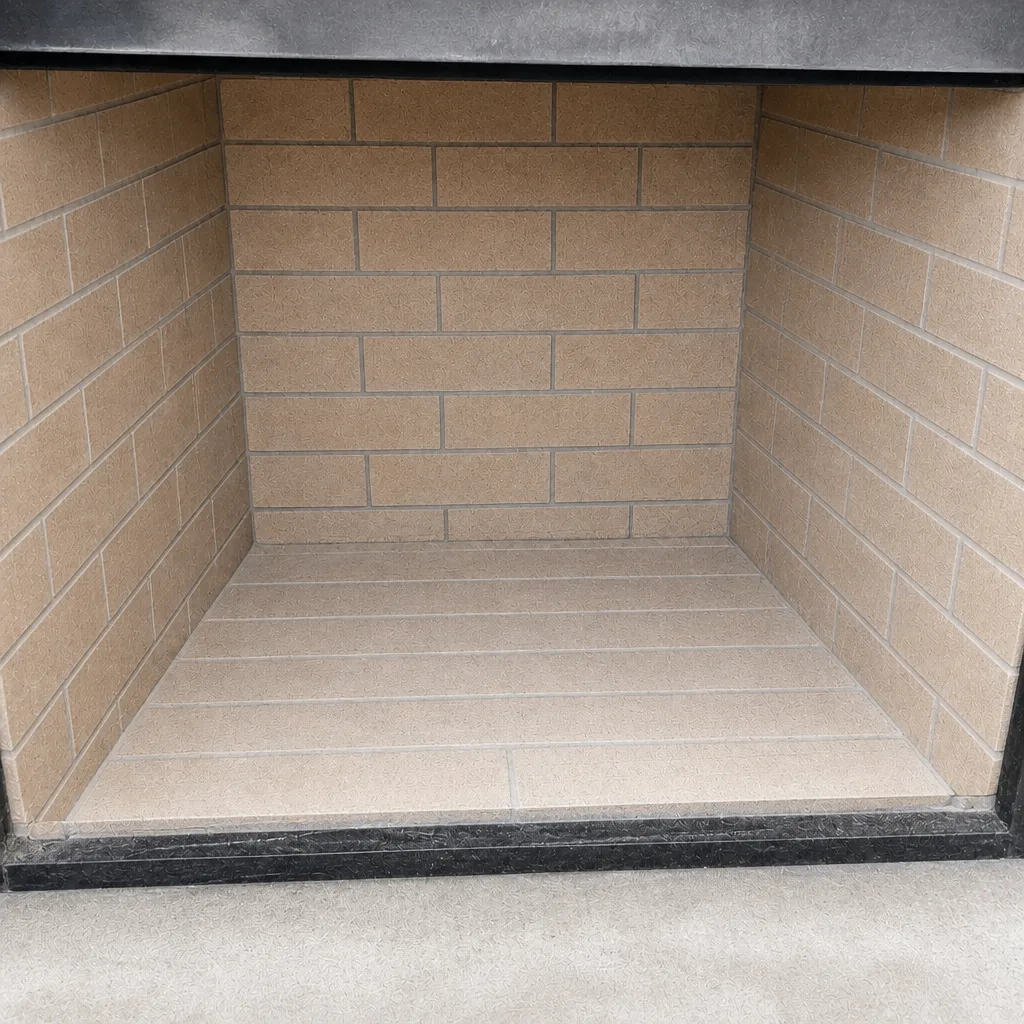
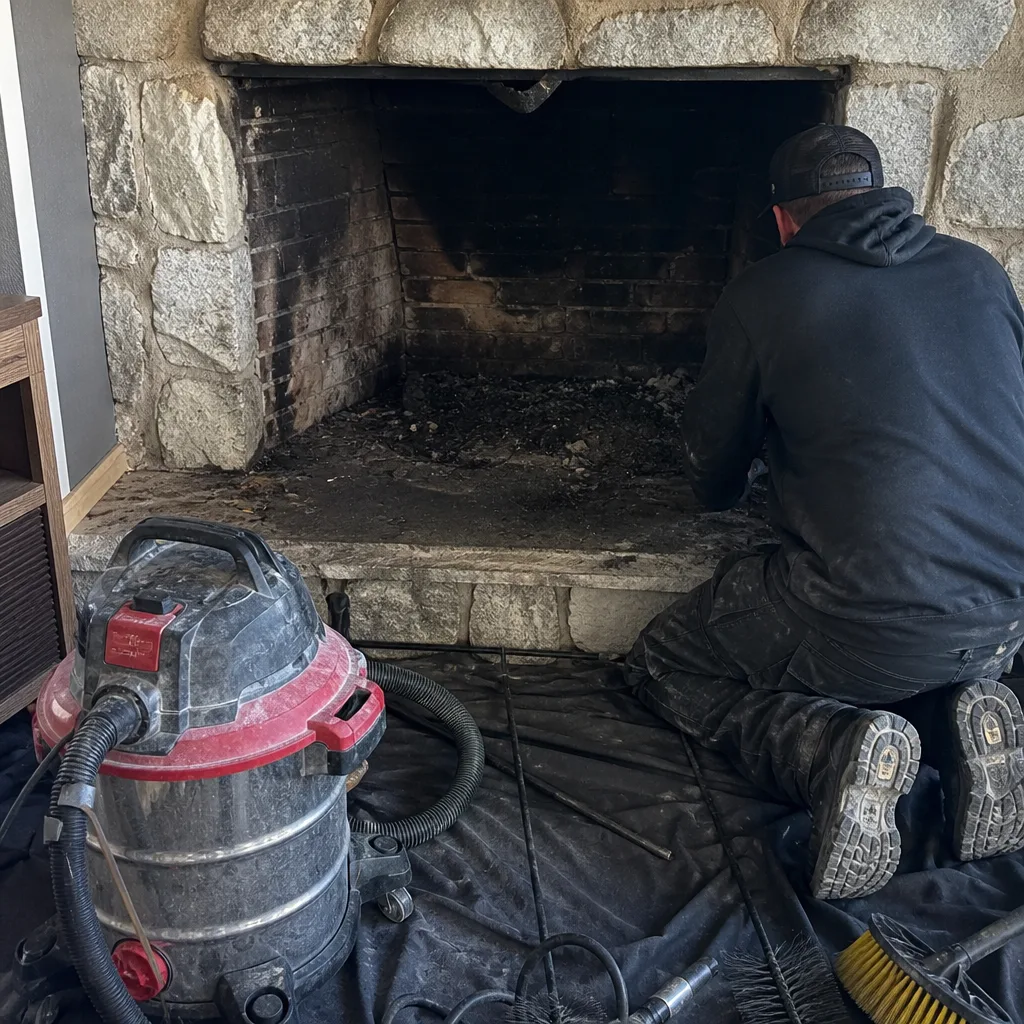
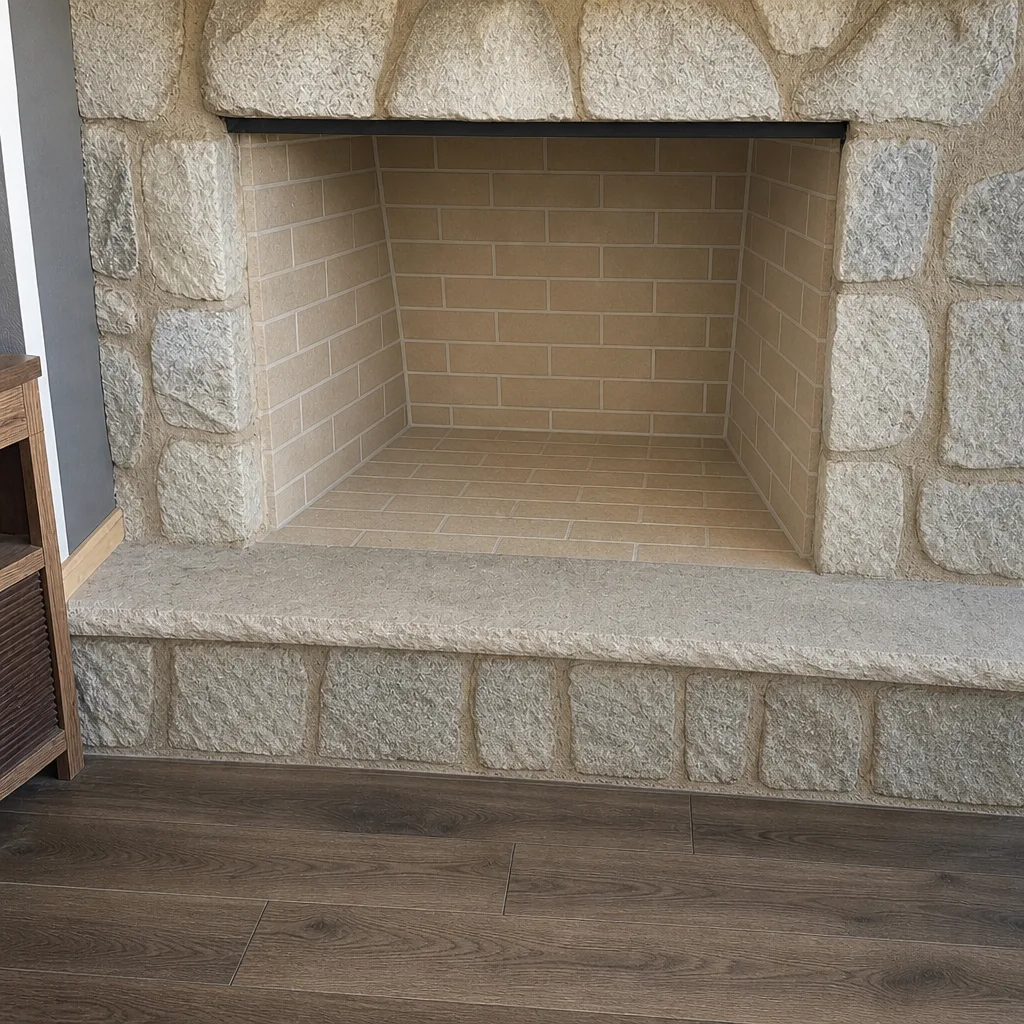
See the difference
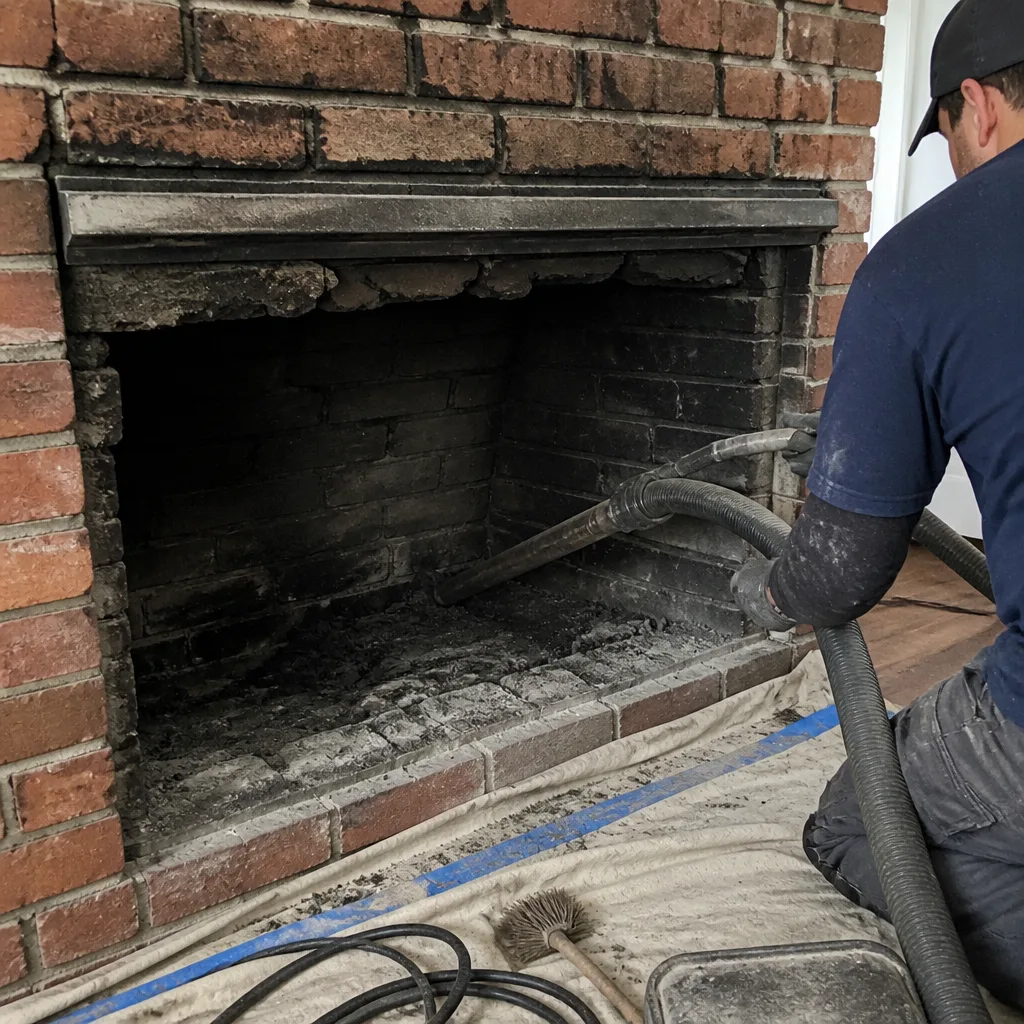 Before
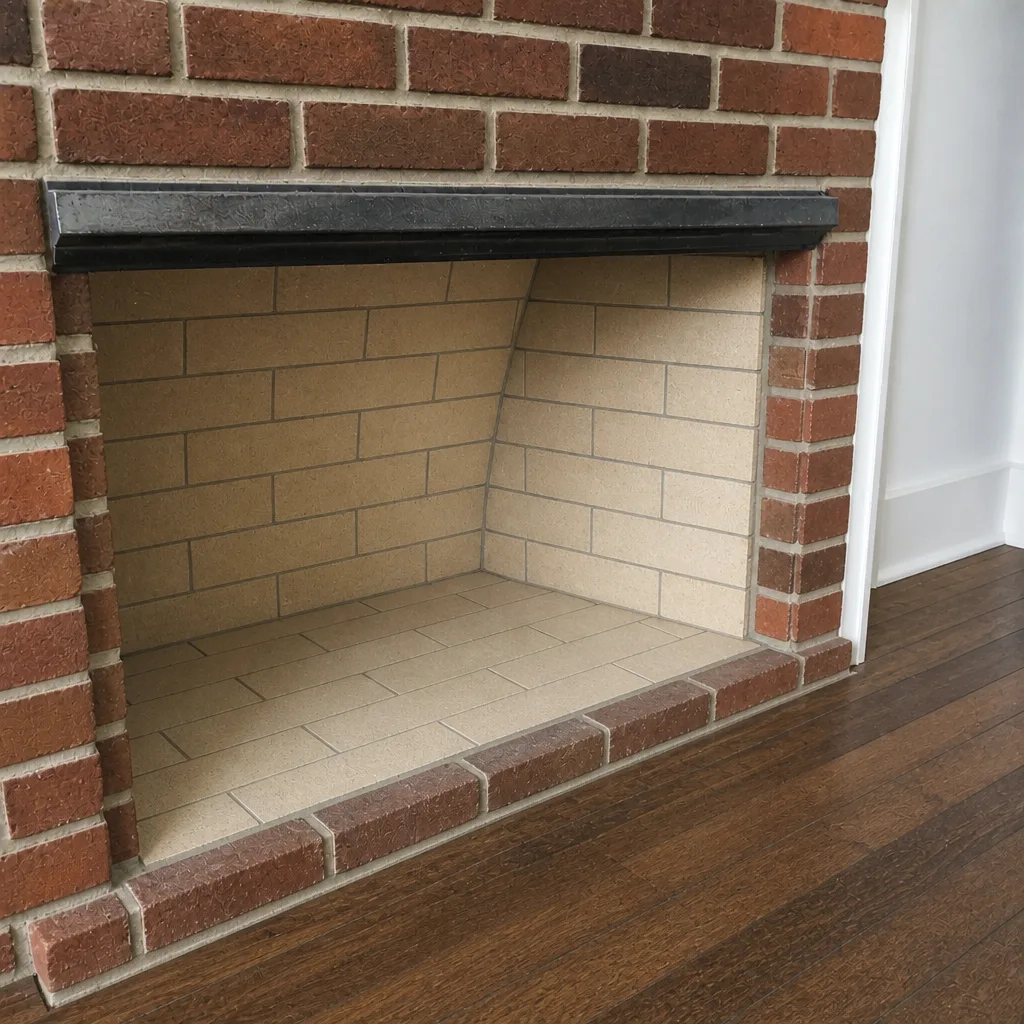 After
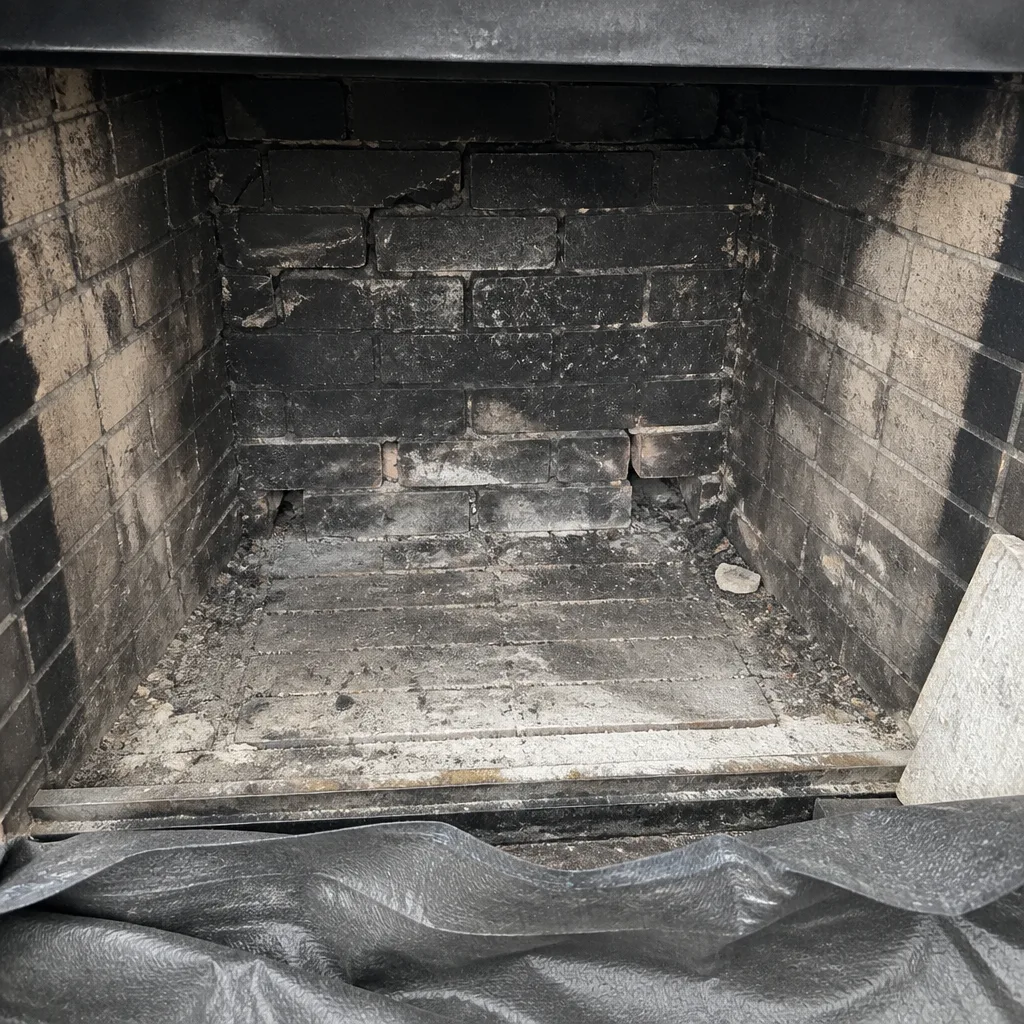 Before
 After
 Before
 After
When to Call a Professional
Call a professional if it’s been a year or more since your last sweep and inspection, if you’ve moved into a home with a fireplace you haven’t had checked, or if you notice any of the warning signs we’ve covered: smoke backing into the room, a draft that’s changed, soot falling into the firebox, or a smell you can’t place. Call immediately if smoke is entering the living space, since that can mean a blocked flue and a carbon monoxide risk. And call in late summer if you want to be ready before the burning season; the calendar fills up. Chimney Sweep Kirkland offers free estimates in Kirkland, call (833) 748-1365. We answer 24/7. Fast dispatch from 7am to 7pm, Sunday through Friday.
Frequently Asked Questions
Late summer, roughly August through September, is the best window in Kirkland. The flue is driest, the rainy season hasn’t started, and you’ll have time to address any repairs the inspection turns up before the burning season. Booking in August rather than late September gives you more breathing room. Call (833) 748-1365 for an exact quote and to get on the calendar; estimates are free.
Once a year is the baseline for most wood-burning fireplaces in Kirkland. If you burn heavily as a primary heat source, plan on a mid-season check as well, and let a professional tune the schedule based on what they find. Even a rarely used fireplace should get an annual inspection. Call (833) 748-1365 to book one; estimates are free.
In Kirkland’s wet climate, the creosote in an unswept flue absorbs moisture through the rainy season, and that can soften the deposits and cause them to migrate onto the liner, making them harder to remove and raising your chimney fire risk. Separately, a missing or damaged cap lets water, birds, and debris in, and those problems compound the longer they sit. Call (833) 748-1365 for an inspection; estimates are free.
Not always, and that’s the point. Nothing should be recommended without camera evidence you can see for yourself, and if a repair can safely wait until spring, we’ll say so. A camera inspection is the only honest way to judge a liner, so ask to see the photos before you decide. Call (833) 748-1365; estimates are free.
A sweep removes soot and creosote from the flue and firebox; an inspection evaluates the whole system, including the liner, cap, crown, flashing, and masonry, usually with a camera. They’re often done together, and for most homes the inspection is the more important half. Call (833) 748-1365 to schedule both in one visit; estimates are free.
Yes. A change in draft or a smoky smell mid-season can point to a partial blockage, a heavy creosote load, or a damper issue, and it’s worth checking rather than pushing through. If smoke is backing into the room, stop using the fireplace and get it inspected. Call (833) 748-1365. We answer 24/7.
The Bottom Line
Kirkland’s chimney calendar is inverted compared with most of the country. The important work happens in late summer, when a sweep and full inspection set you up for a clean, dry burning season, and again in spring, when you check what the wet months did to the crown, cap, flashing, and masonry. Sweeping once a year is the baseline for most homes, heavy users should add a mid-season check, and even a rarely used fireplace deserves an annual inspection. The through-line is the same: your chimney is a system, from the firebox to the crown, and it deserves a specialist who treats it like one. Call Chimney Sweep Kirkland at (833) 748-1365 for a free estimate. We answer 24/7. Fast dispatch from 7am to 7pm, Sunday through Friday.
Written by the team at Chimney Sweep Kirkland.