
Last updated November 24, 2026
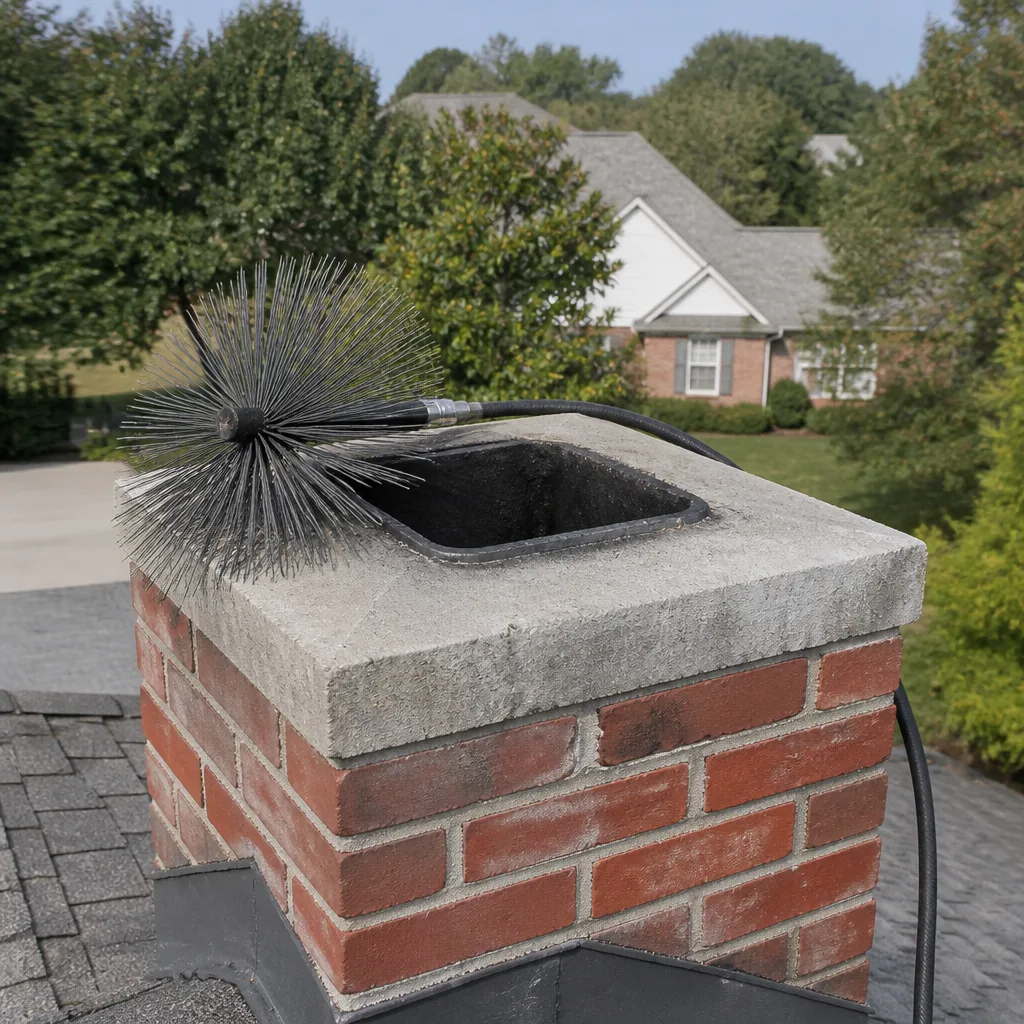 Sweep & inspection
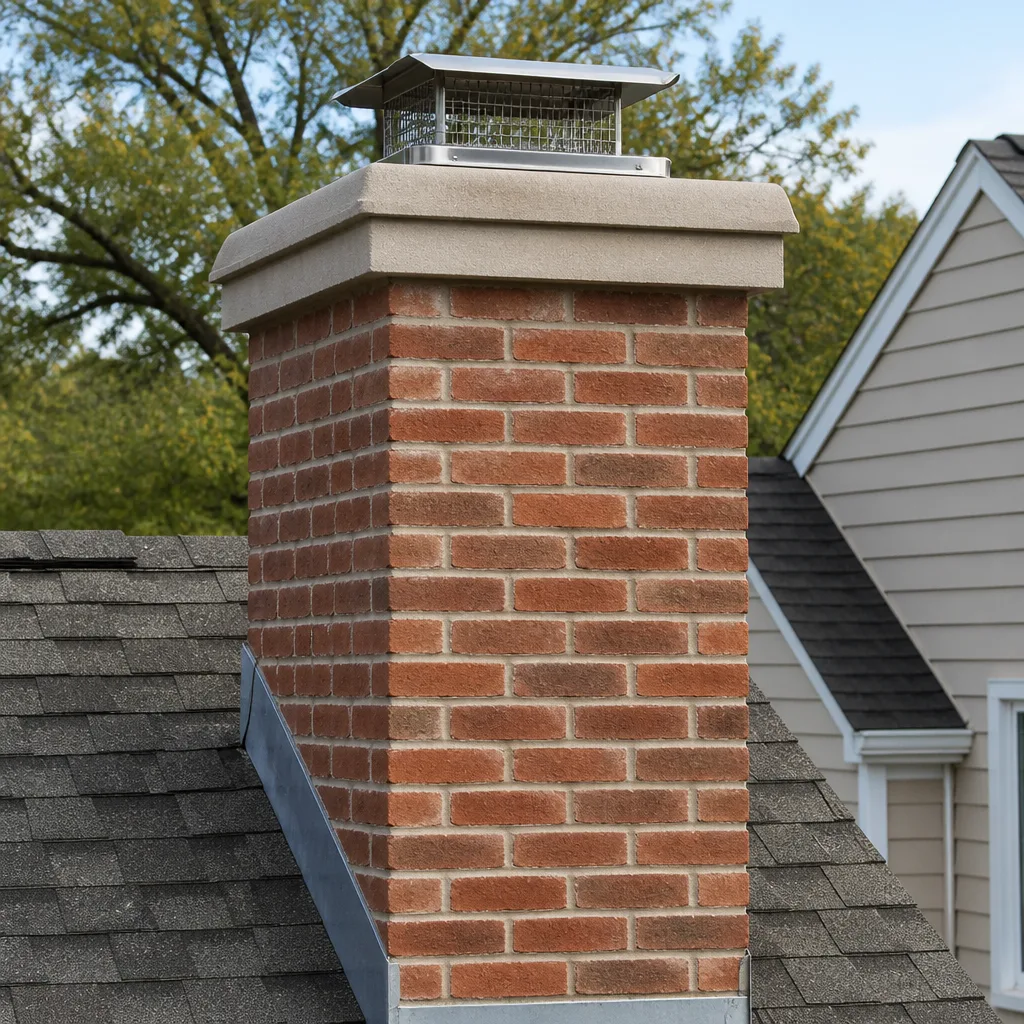 Caps & crowns
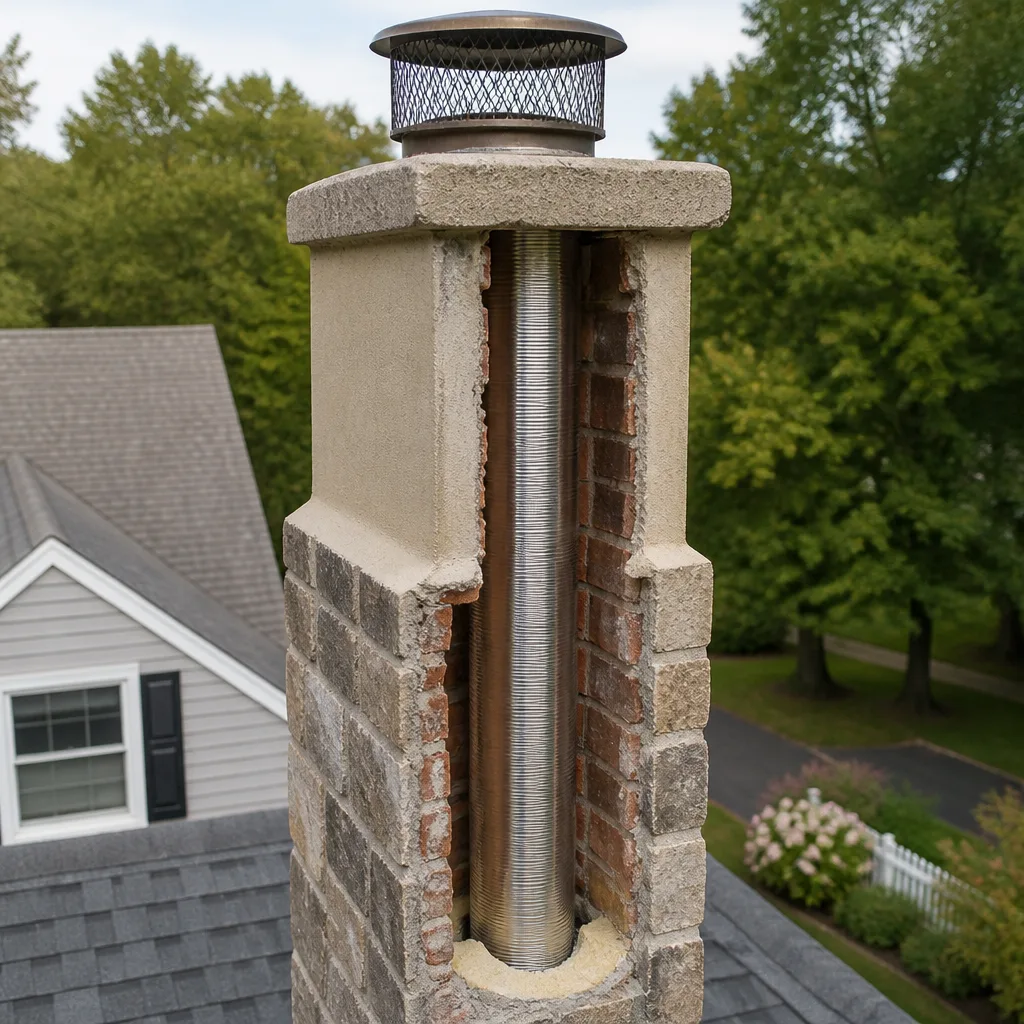 Flue relining
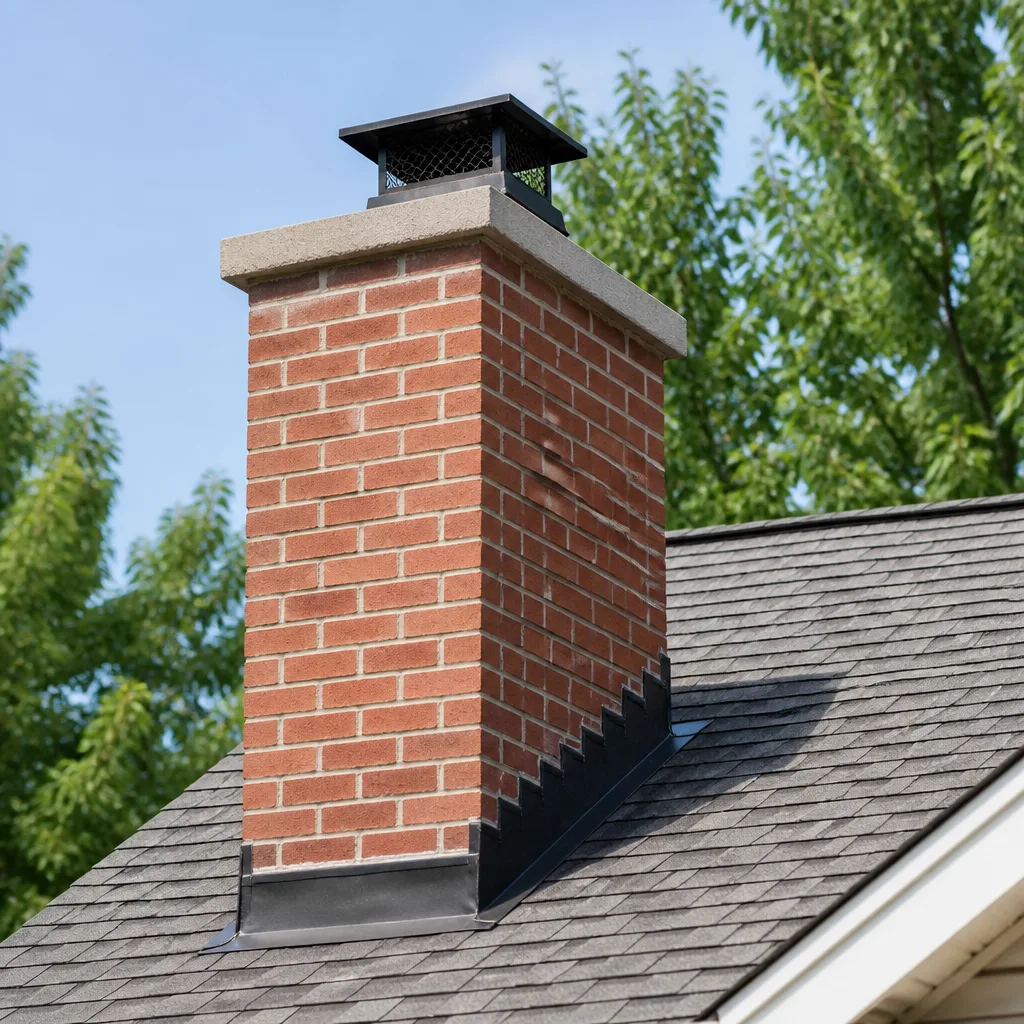 Masonry repair
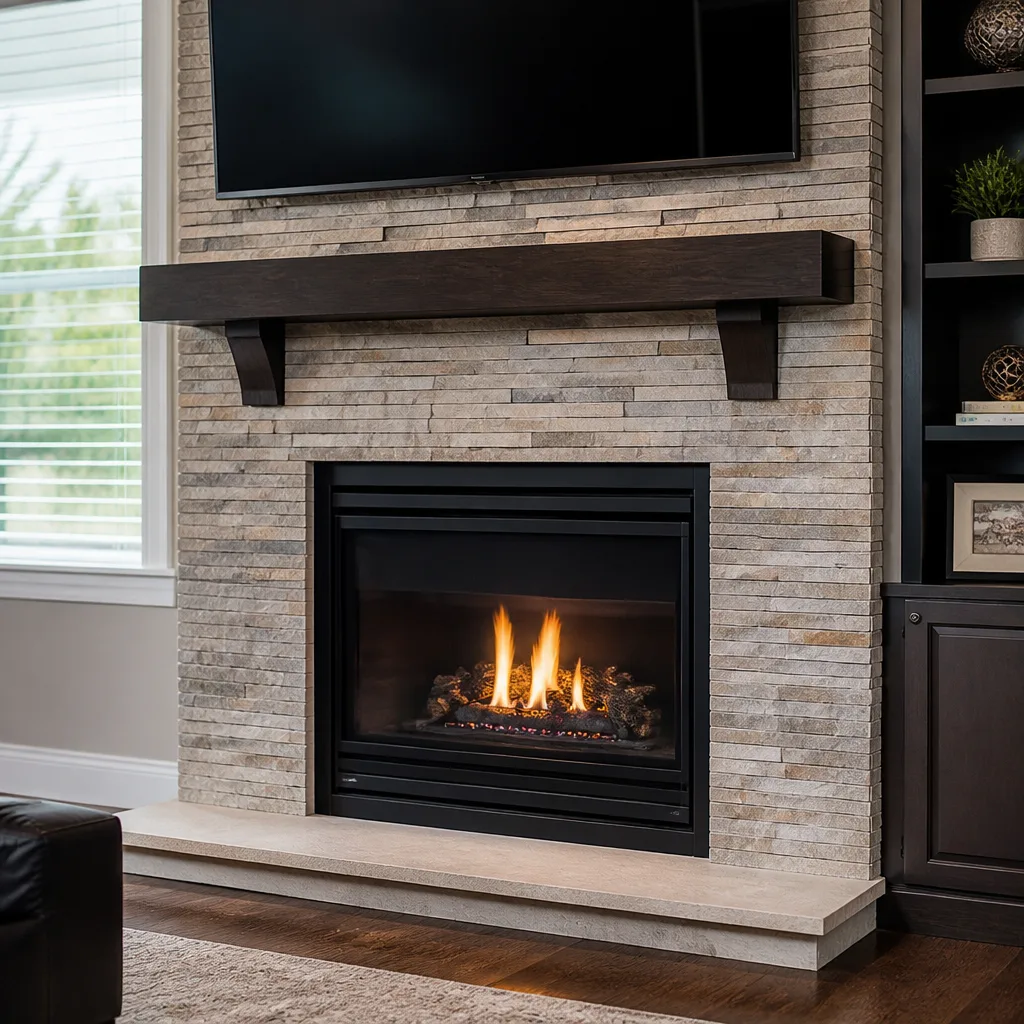 Gas fireplace service
Level 1 sweep and inspection to the NFPA 211 annual standard - flue, crown, cap, and flashing checked and photographed
Chimney sweep logs do not sweep chimneys. They loosen some creosote - which then falls where a brush and vacuum still have to collect it.
Chimney Cleaning Permits, Codes & Inspections in Kirkland, WA: What You Need to Know
If a contractor tells you liner replacement doesn’t need a permit in Washington, that’s your first sign to get a second opinion. Most routine chimney work in Kirkland, WA is genuinely permit-exempt, and that fact gets stretched to cover jobs that aren’t. The line between a sweep and a structural repair is where homeowners get exposed, not to a fine, but to a denied insurance claim years later. This guide draws that line clearly. You’ll learn what’s exempt, what triggers a permit, how the building inspection works, how IRC and NFPA 211 standards meet at the Kirkland counter, and how to confirm your contractor pulled the permit before the work happens.
Quick Answer
Routine chimney sweeping and Level 1 visual inspections in Kirkland, WA generally don’t require a permit. Repairs that alter the structure or the venting path – liner replacement, a new cap and crown, firebox rebuilding, or changes to the chimney chase – are the kind of work most jurisdictions treat as permit-required, so confirm with the City of Kirkland building department before work starts. The inspection that follows a permitted job is your proof the work matches the code; without it, you carry the liability.
Styles & brands we work with
- Sweep & inspection
- Caps & crowns
- Flue relining
- Masonry repair
- Gas fireplace service
Table of Contents
- Which Chimney Services Are Permit-Exempt in Kirkland?
- When Does Chimney Work Trigger a Building Permit?
- What the Inspection Process Looks Like
- How IRC R1001 and NFPA 211 Meet Local Enforcement
- Unpermitted Work, Insurance, and Resale Disclosure
- How to Verify Your Contractor Is Pulling Permits
- Kirkland’s Climate and Why Codes Matter Here
- Timing Your Permit Work Before Burning Season
Which Chimney Services Are Permit-Exempt in Kirkland?
Cleaning and evaluating a chimney is maintenance. Building or altering it is construction. That split is the whole game, and it’s why a sweep rarely touches a permit while a liner job almost always does.
The services that generally fall on the exempt side in Kirkland:
- Routine sweeping. Brushing and vacuuming the flue to remove creosote and soot doesn’t change the structure or the venting system. This is the core of a chimney sweep visit and it stays on the maintenance side of the line.
- Level 1 inspection. A visual check of the readily accessible parts of the chimney and firebox is diagnostic, not construction.
- Minor cap reseating. Replacing or re-seating a cap where no new structure is added is usually treated as maintenance. A new crown, poured or rebuilt, is a different story.
- Cleaning and small firebox touch-ups. Refractory panel swaps and firebox cleaning that don’t rebuild the box fall here. Structural fireplace repair doesn’t.
What’s on the exempt list is not a promise that every contractor will treat it that way. Some jurisdictions read cap and crown work as a structural change. When in doubt, the City of Kirkland building department is the authority on a specific address, not a contractor or a website. We tell homeowners to call the city with the exact scope when it’s close. It takes a few minutes and settles the question.
The exempt line also isn’t a line you cross once. A sweep that reveals a cracked flue tile moves from maintenance into repair the moment someone proposes a fix. That transition is exactly where the discussion of permits needs to happen.
When Does Chimney Work Trigger a Building Permit?
Chimney work triggers a permit when it alters the structure or the venting path of the system. Anything that changes how combustion gases leave the house, what holds the chimney up, or how it’s weatherproofed against intrusion counts.
The usual permit-triggering jobs:
- Liner repair or replacement. Installing a new liner is a change to the flue and the venting path. Most jurisdictions, Kirkland included, treat that as a permit job because the liner’s rating and installation method are what keep the chimney compliant.
- Firebox rebuilding. Rebuilding a firebox with refractory materials changes the structure of the combustion chamber. That’s construction.
- New chimney cap and crown. A crown is a poured concrete or rebuilt masonry top that sheds water. Installing or rebuilding one is a structural change to the chimney top. Many contractors treat it as a permit job because it affects the water-shedding detail and the chimney’s structural integrity.
- Chase and masonry alterations. Opening a chase, changing a chimney’s height, or modifying the masonry shell is structural work.
- Converting or replacing a wood-burning appliance. A new fireplace insert or a change in fuel type usually involves the venting and the appliance both, which pulls the venting path into the code discussion.
The rule of thumb we give homeowners: if the contractor is adding, removing, or rebuilding part of the system rather than cleaning it, ask about the permit. The contractor should be the one raising it, not the homeowner catching it. When a chimney repair goes beyond a small patch, a permitting conversation is the norm, and the written estimate should say whether the permit is included or pulled separately.
What the Inspection Process Looks Like
After permitted chimney work, a city inspector reviews the job before it’s closed out. The inspection is the moment the work gets checked against the code the permit was issued under, and it’s the homeowner’s documentation that the job is code-compliant.
A typical sequence for a permitted job in Kirkland looks like this:
- Contractor pulls the permit before starting. The permit lists the scope of work and names who’s doing it.
- Work is completed according to the plan. For a liner job, that means the liner material, its rating, and the method of connection are what the permit says they are.
- Contractor schedules the inspection. The city inspector reviews the work in person.
- Inspector signs off or flags corrections. If something isn’t right, the job opens back up until it’s fixed.
- Permit is closed. The homeowner should receive confirmation the permit is closed and the inspection passed.
What an inspector actually looks at varies by scope. On a liner job, the connection at the appliance and the top termination matter. On a crown or cap job, the water-shedding detail and the attachment matter. On a firebox rebuild, the refractory materials and the joint details matter. The homeowner’s takeaway is simple: the closed permit is a record. That record is what you show an insurer or a buyer who asks whether the chimney was worked on properly.
Scheduling the inspection is the contractor’s job, not yours. If a contractor hands you a permit application and tells you to file it, that’s a warning sign the same contractor may not be prepared to be inspected on the work.
How IRC R1001 and NFPA 211 Meet Local Enforcement
Washington State adopts the International Residential Code, and the chimney provisions in that code inherit the standards written by the National Fire Protection Association. IRC Section R1001 is the chapter of the residential code that governs chimneys and vents, and NFPA 211 is the standard it points to for chimney, fireplace, vent, and solid-fuel appliance details. The abbreviation and chapter number are the key: R1001 sets the rules, NFPA 211 supplies the engineering detail those rules lean on.
Kirkland’s building department enforces both through the permit and inspection process. A permitted liner job gets checked against the code the permit was issued under. An inspector reviewing a venting change looks at whether the liner is rated for the appliance and the fuel, whether the clearances are met, and whether the termination at the top is correct. Those checks come out of the same standards the industry trains chimney technicians on.
Where it gets practical: the materials matter to the code. A liner needs to be listed and rated for its application; the material that gets installed is what an inspector judges. This is why we work with professional-grade brands like DuraFlex and Olympia Chimney rather than hardware-store substitutes. A correctly rated, listed liner and a properly installed crown meet the code requirements the inspector is checking against. It’s the same reason HeatShield resurfacing is a code-relevant repair, not a cosmetic one: a resurfaced flue has to hold up as the flue, and the inspector cares whether it will.
You don’t need to memorize R1001 or NFPA 211 to hire well. You need a contractor who can tell you, specifically, which code provision their repair is designed to satisfy, and who treats the inspection as the point of the job rather than a hurdle.
Unpermitted Work, Insurance, and Resale Disclosure
Unpermitted chimney work can cost you at the two moments it matters most: when you file a claim, and when you sell the house.
On insurance, most homeowners policies require disclosure of work that alters the structure or the venting system, and an adjuster reviewing a chimney fire or water-damage claim may look at whether the work was permitted and inspected. If a repair was done without a permit and wasn’t inspected, the insurer may question whether the work met code and whether the loss is covered. Whether a specific policy denies a specific claim is between you and your insurer, but the general risk is real: a code-compliant repair backed by a closed permit is easier to defend than an unpermitted one with no record.
On resale, the seller’s disclosure in Washington asks about work done to the property, and a buyer’s inspector will flag an unpermitted chimney repair as a question mark. That question mark turns into a negotiating lever or a repair credit at closing. A closed permit is a document that answers the question before it’s asked.
There’s also the safety layer, which never shows up in a disclosure form but is the reason the codes exist. An unpermitted liner can be the wrong material for the appliance, the wrong diameter, or installed without the clearances the code requires. The failure mode isn’t a fine. It’s a venting path that doesn’t do its job.
How to Verify Your Contractor Is Pulling Permits
Verification is a conversation, plus one phone call to the city. A contractor who works in Kirkland regularly knows the process and expects the question.
Here’s how to check before the work starts:
- Ask who pulls the permit. The answer should be the contractor, not you. A contractor who asks the homeowner to file the permit is handing you the liability.
- Get the permit number in writing. Ask for it before work begins and keep it with your records.
- Confirm the scope on the permit. The permit should list the work that’s actually being done. A permit for a cap that turns into a liner job is a problem.
- Ask who schedules the inspection. It should be the contractor’s job.
- Get confirmation the permit closed. The inspection sign-off is the document you want for your files.
If the answer to any of these is vague, get a second opinion. That’s true of a permit question and true of the underlying diagnosis. The bigger hesitation homeowners have is being told they need a liner or masonry rebuild they can’t verify, and the honest answer there is the same: nothing should be recommended without camera evidence you can see for yourself. If you want to see how a sweep and inspection should go before you hire, our Chimney Sweep Kirkland guide lays out the steps. A specialist who works on chimney systems all day should be able to show you the inside of your chimney, name the problem in plain language, and tell you when a repair can safely wait.
Kirkland’s Climate and Why Codes Matter Here
Kirkland sits on the east side of Lake Washington, and the climate there does the chimney no favors. Wet winters, long stretches of damp, and the moss and moisture problems that come with them work on a chimney’s exterior all year. A crown that isn’t shedding water lets it soak into the masonry, and a masonry chimney that stays wet through a Pacific Northwest winter is where spalling brick and cracked mortar joint failure start.
That’s why cap and crown work carries as much weight here as the sweep does. A properly built crown and a correctly sized cap are what keep the rain off the flue. It’s also why the crown and cap jobs are the ones to treat as structural: a rebuild of the chimney top is what the code and the inspection exist to get right, because it’s the part of the system the Kirkland climate hits hardest.
The burning season matters too. Kirkland homeowners burn wood through the cooler months, and creosote builds through the season. A sweep before that season starts is the maintenance piece; the repairs those sweeps turn up are where the permit piece comes in. If your annual inspection finds a cracked flue tile, the repair decision and the permit question happen together.
Timing Your Permit Work Before Burning Season
Permit work takes time on both ends: the city’s process and the contractor’s schedule. If a repair is needed before the colder months, work backward from the burning season, not forward from when the problem was found.
A realistic sequence:
- Get the inspection and diagnosis first. You can’t pull a useful permit without knowing the actual scope.
- Get the written estimate with the permit spelled out. The estimate should say whether the permit is pulled by the contractor and whether it’s included.
- Book the job with the permit lead time in mind. The city needs its review, and the contractor needs scheduling room.
- Complete the work and schedule the inspection. Build a little slack in before the season starts so the inspection doesn’t land in the middle of it.
One thing worth saying plainly: the urgency here is seasonal, not hourly. Nothing about a liner or crown repair is a hot-water leak that has to happen the same day. But a chimney that needs a repair before fall is a project you want to start in the spring, not the week the shoulder season ends.
Common Mistakes to Avoid
- Filing the permit yourself when the contractor should. A contractor who asks you to pull the permit is a contractor without a permit under their name. The liability lands on you.
- Accepting a permit-free liner replacement. Liner replacement is generally a permit job in Kirkland and in most Washington jurisdictions. A contractor who treats it as routine maintenance is telling you something about how they work.
- Skipping the closed permit on a cap or crown rebuild. The crown is the piece of the chimney the Kirkland climate hits first, and the inspection is what confirms it was built to shed water properly.
- Not keeping the inspection sign-off. The closed permit is the document that answers an insurance question or a buyer’s inspection years later. Keep it with your chimney records.
- Assuming a sweep and a repair sit under the same permit rule. Sweeping is maintenance; a liner or crown is construction. The two get different answers.
- Taking “we don’t need a permit for that” as an answer. If the scope involves a liner, a crown, or a firebox rebuild, call the City of Kirkland building department and confirm the requirement for your address.
- Replacing materials with whatever’s on the shelf. A listed, rated liner is part of what makes a permitted job pass inspection. Substituting hardware-store materials is a code problem, not a cost savings.
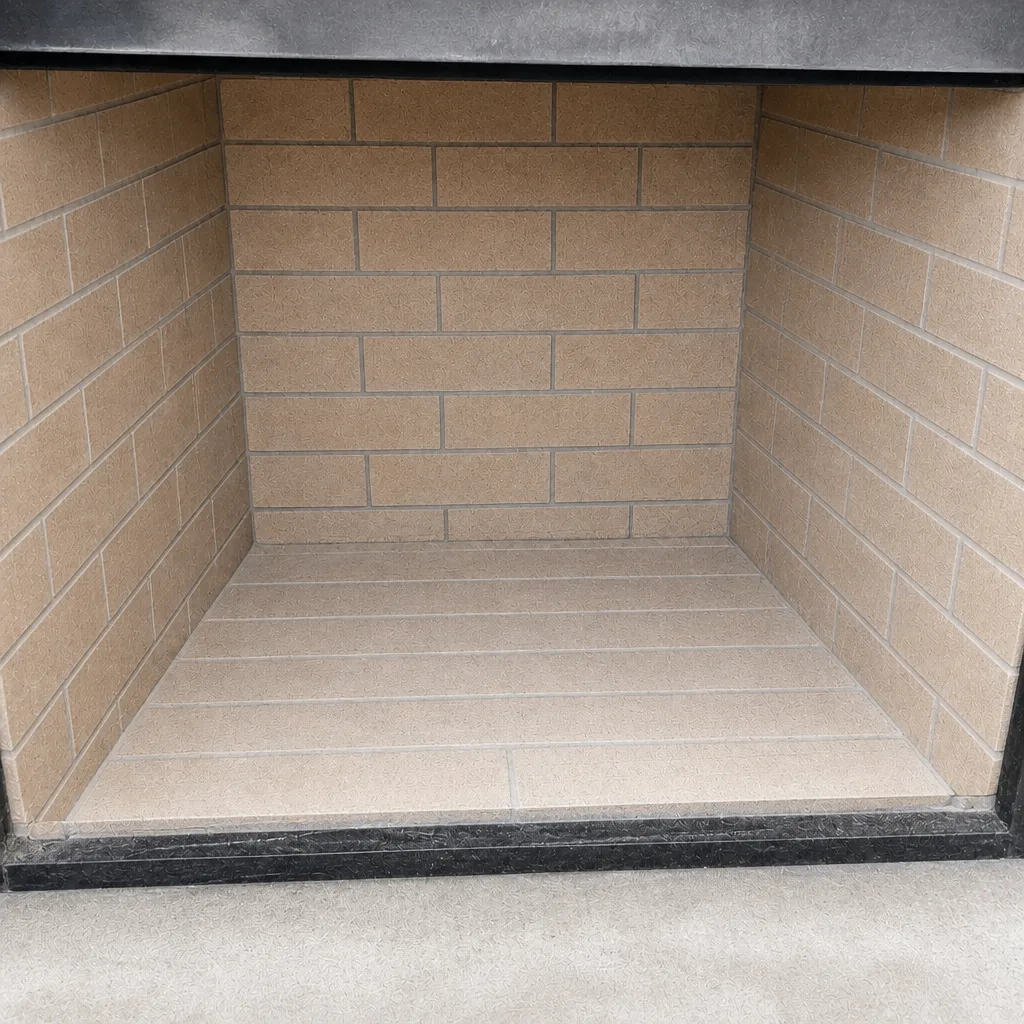
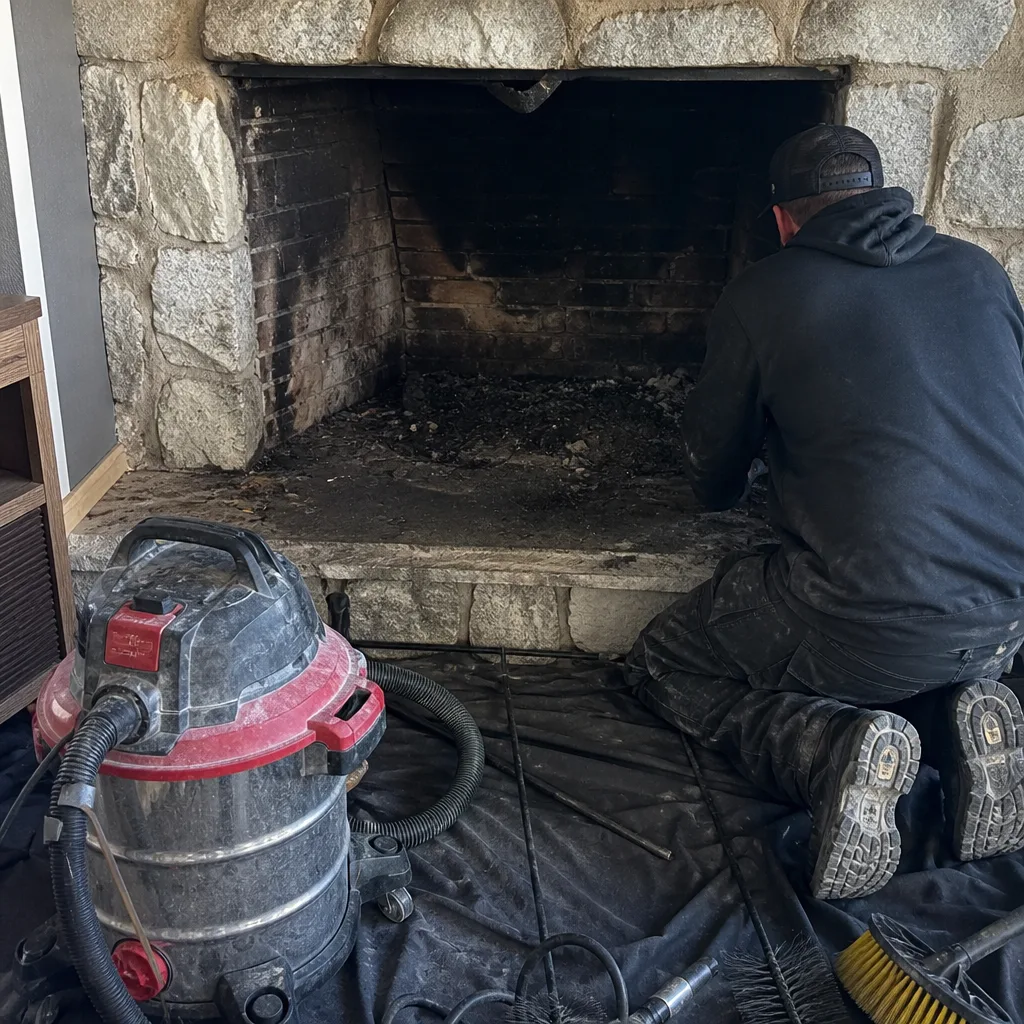
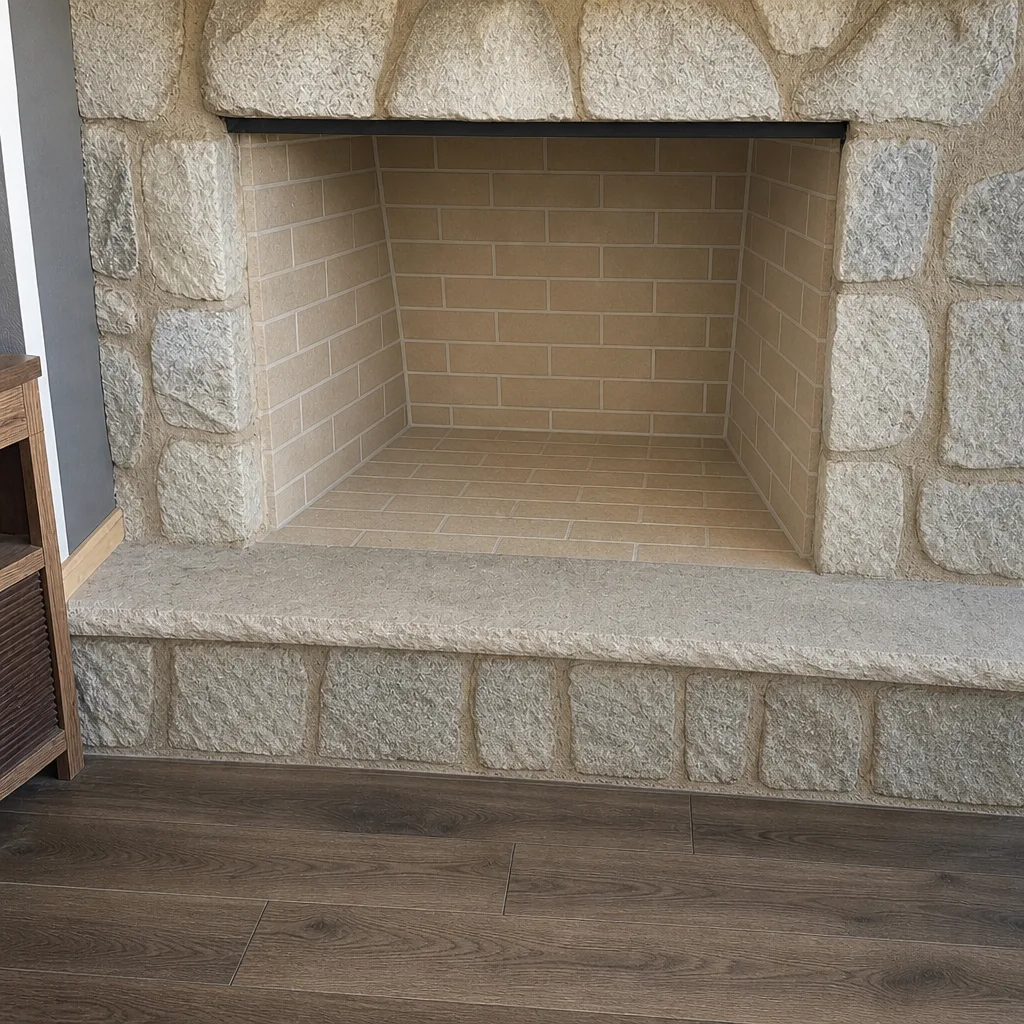
See the difference
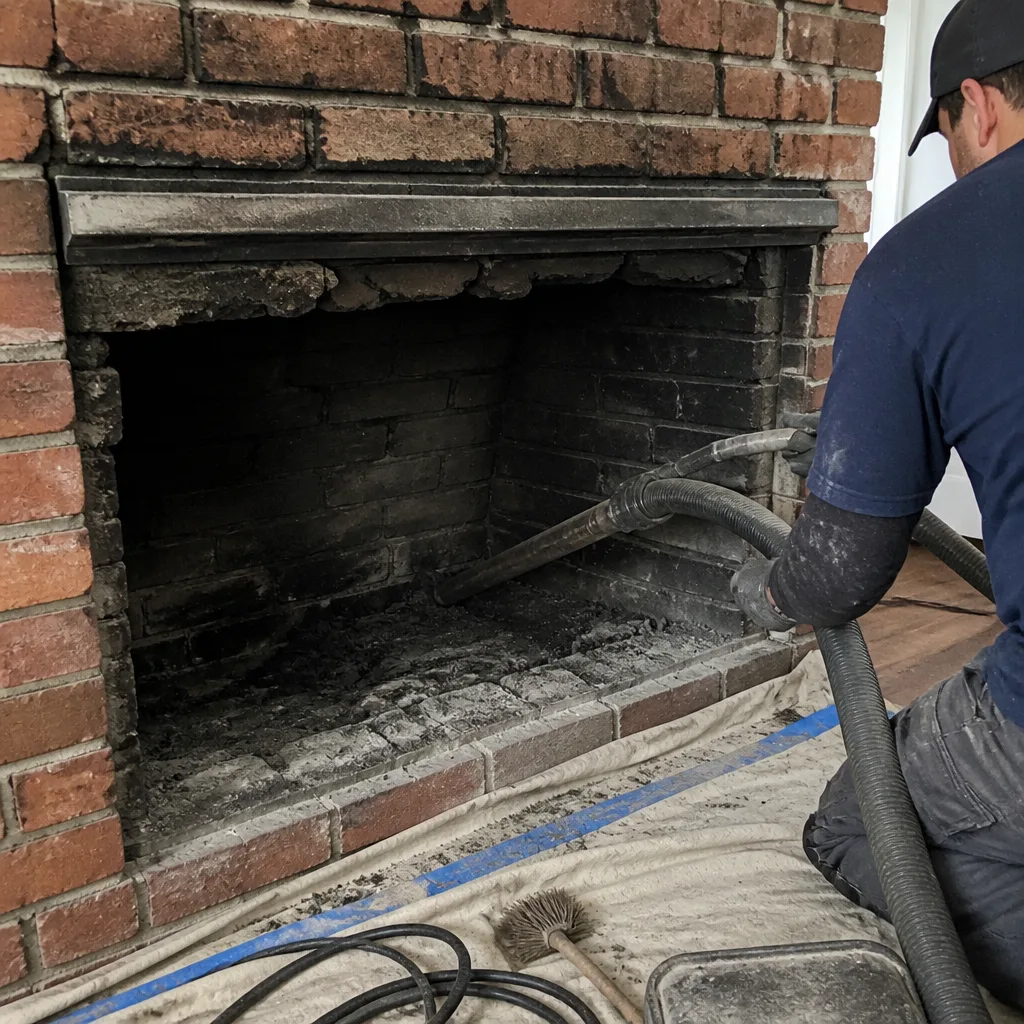 Before
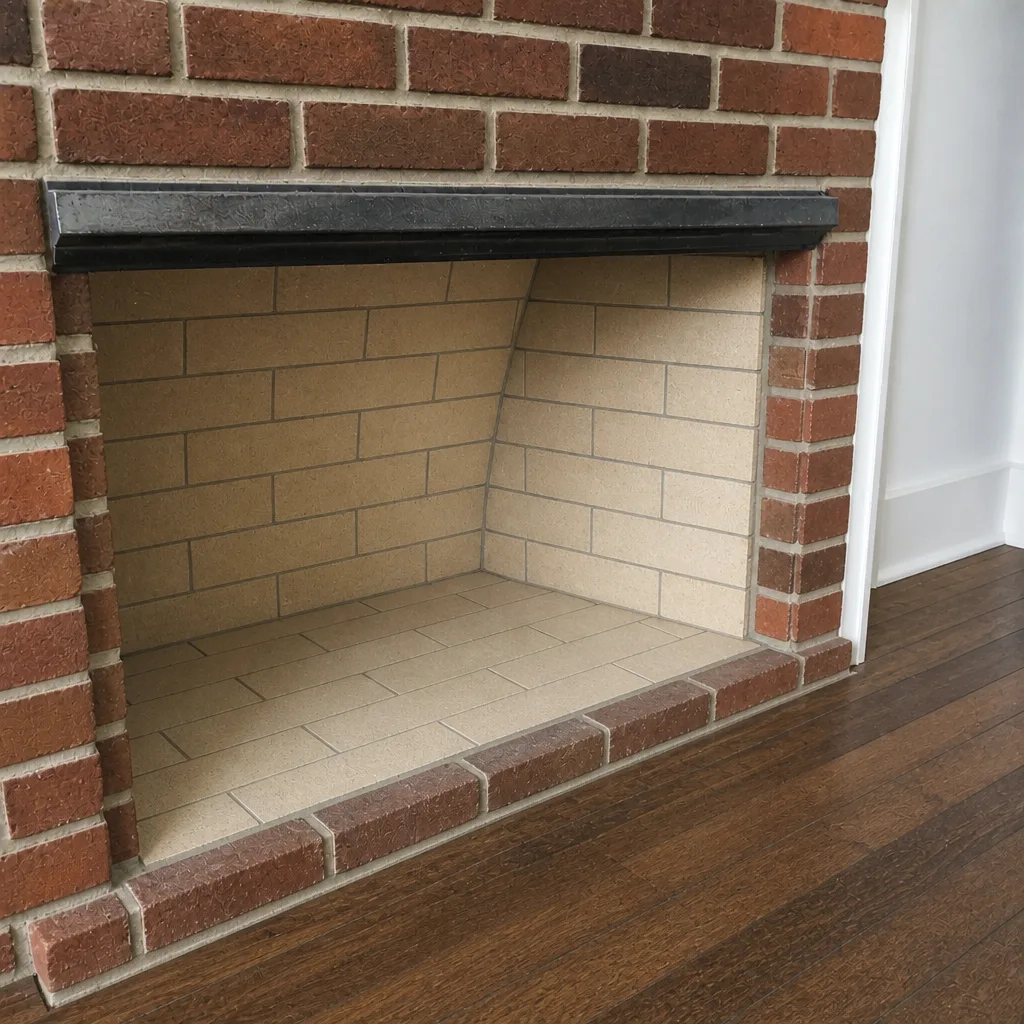 After
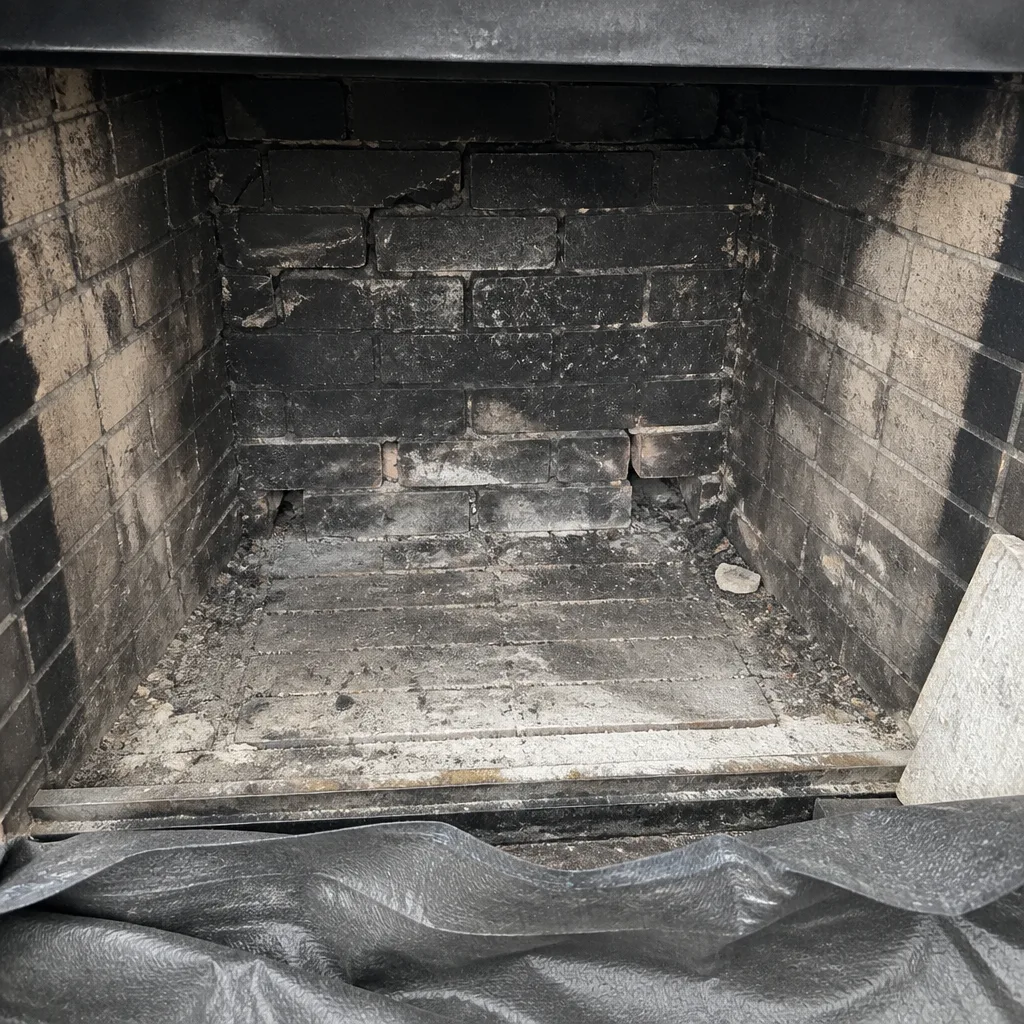 Before
 After
 Before
 After
When to Call a Professional
Call a professional when the question has moved from cleaning to structure, or when you can’t verify what’s already been done. That includes: a contractor proposing a liner or crown repair without pulling a permit; a chimney that hasn’t been inspected since you bought the house; an annual sweep that turns up cracked flue tiles, spalling masonry, or a missing crown; or a home sale on the calendar and an open question about prior work. It also includes the case where a contractor handed you the permit application. Chimney Sweep Kirkland offers free estimates in Kirkland, and the estimate spells out whether a permit applies. Call (833) 748-1365. We answer 24/7. Fast dispatch from 7am to 7pm, Sunday through Friday.
Frequently Asked Questions
No. Routine chimney cleaning and a Level 1 visual inspection in Kirkland are maintenance and don’t require a permit. A permit becomes relevant when the work moves from cleaning to altering the structure or the venting path, such as a liner replacement, a firebox rebuild, or a new crown.
Yes, most jurisdictions in Washington treat liner replacement as a permit job because it changes the flue and the venting path. In Kirkland, confirm the scope with the City of Kirkland building department for your address before work begins. A contractor who says a liner needs no permit anywhere in the state is worth a second opinion.
Once a year for most wood-burning fireplaces, and more often if you burn heavily through the fall and winter. The sweep is where a cracked flue tile or a failing crown usually turns up first. Budget for the sweep in the shoulder season so any repair it finds has time for the permit process before the burning season starts.
You carry the risk. Unpermitted work may be questioned by your insurer when you file a claim, and a buyer’s inspector will flag it during a resale. A closed permit backed by an inspection is the record that shows the work met code. It’s the document you want in your files.
If the work cleans or evaluates the system, it’s typically exempt. If it adds, removes, or rebuilds part of the system, treat it as permit work until the city says otherwise. The written estimate is the place to confirm it, and the contractor should raise the question before you do.
It can. An adjuster reviewing a chimney fire or water-damage claim may look at whether a repair was permitted and inspected, and whether it met code. Whether a specific claim is covered depends on your policy, but a closed permit is the cleaner record to have when the question comes up.
The Bottom Line
The permit line runs between cleaning and construction. Sweeping and a visual inspection in Kirkland are maintenance and exempt. A liner replacement, a firebox rebuild, or a new cap and crown are structural changes, and those are the jobs where a permit and a passing inspection belong on the record. The code behind the inspection comes from IRC Section R1001 and NFPA 211, and the Kirkland climate is why cap and crown work matters as much as the sweep. Verify your contractor pulls the permit and keeps the sign-off, and treat a permit-free liner quote as a sign to get a second opinion.
If your chimney needs a repair and you’re not sure whether a permit applies, get a free written estimate that spells it out. Call Chimney Sweep Kirkland at (833) 748-1365. We answer 24/7, with fast dispatch from 7am to 7pm, Sunday through Friday. Our technicians have up to 10 years of experience, and we work with professional-grade materials from DuraFlex, Olympia Chimney, and Famco so the repair matches the code the inspection checks against.
Written by the team at Chimney Sweep Kirkland.