
Last updated November 24, 2026
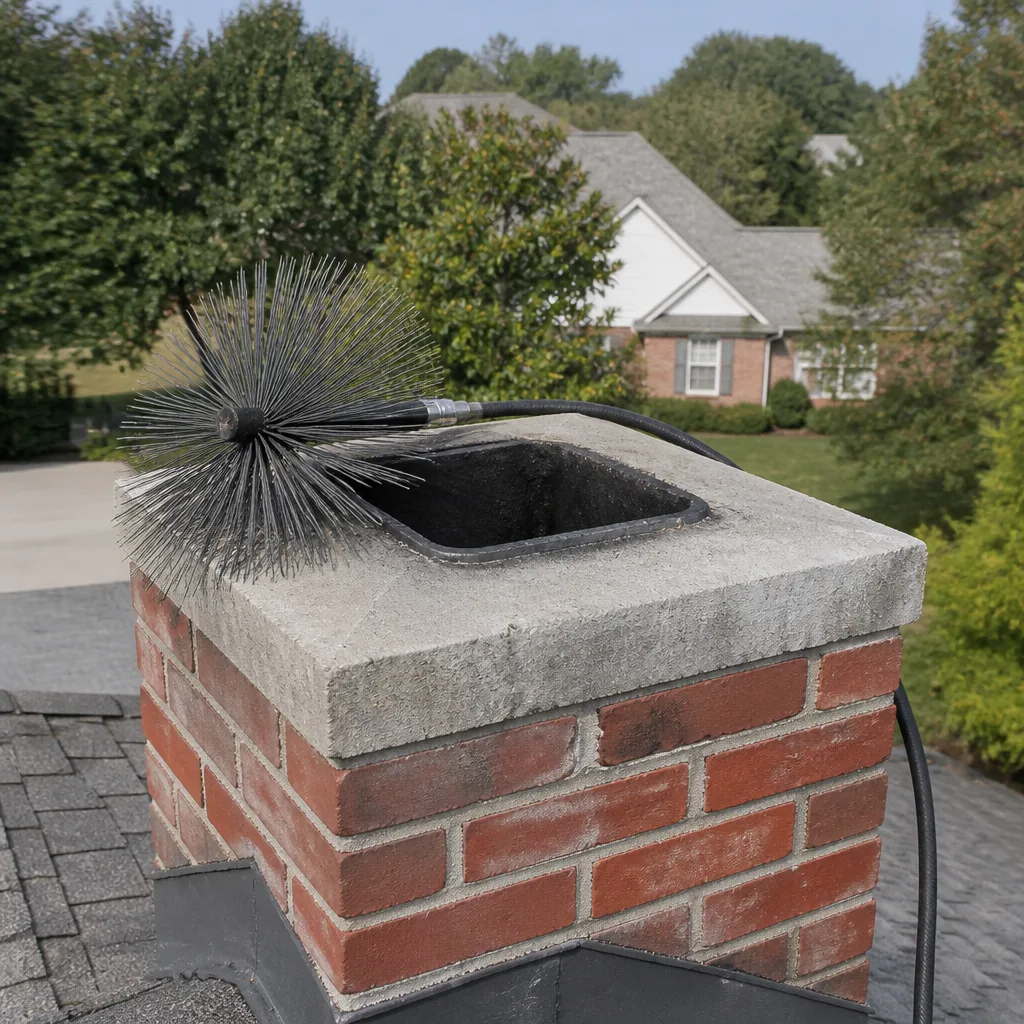 Sweep & inspection
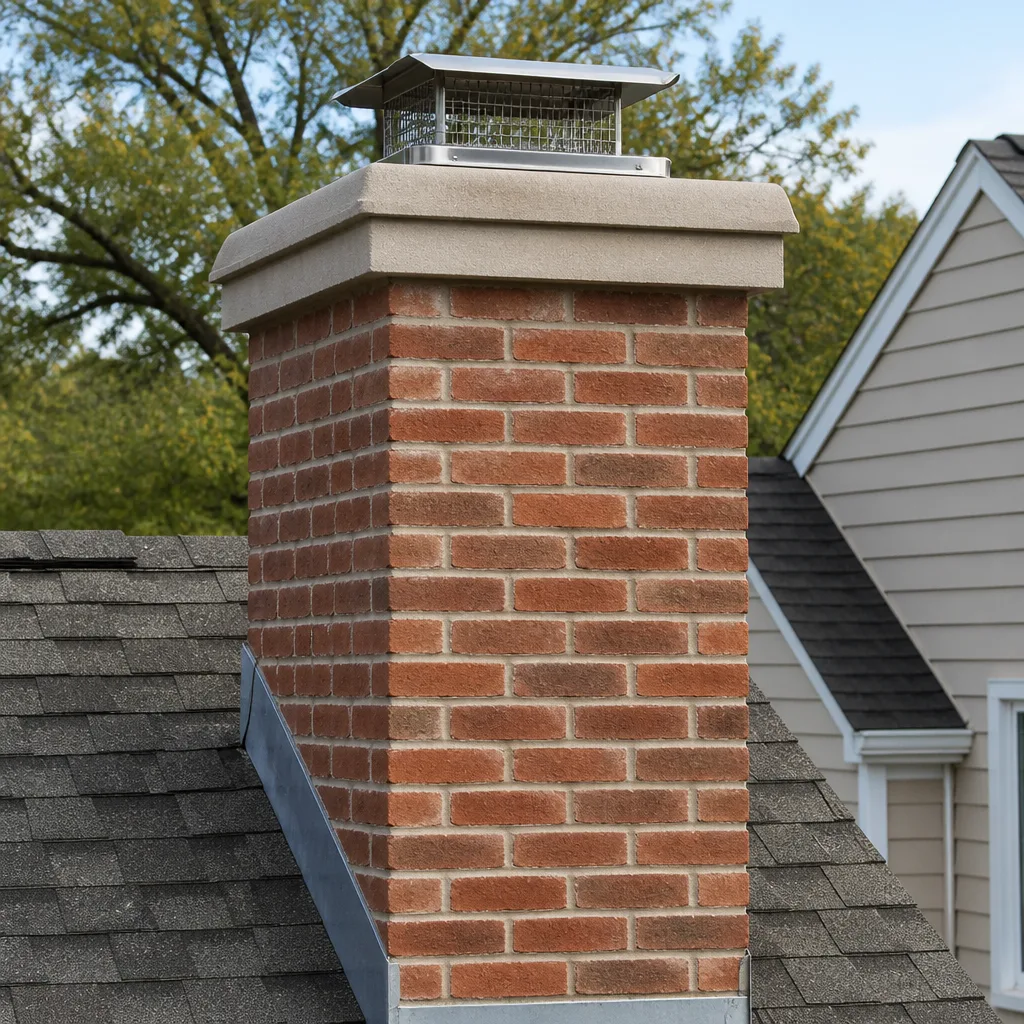 Caps & crowns
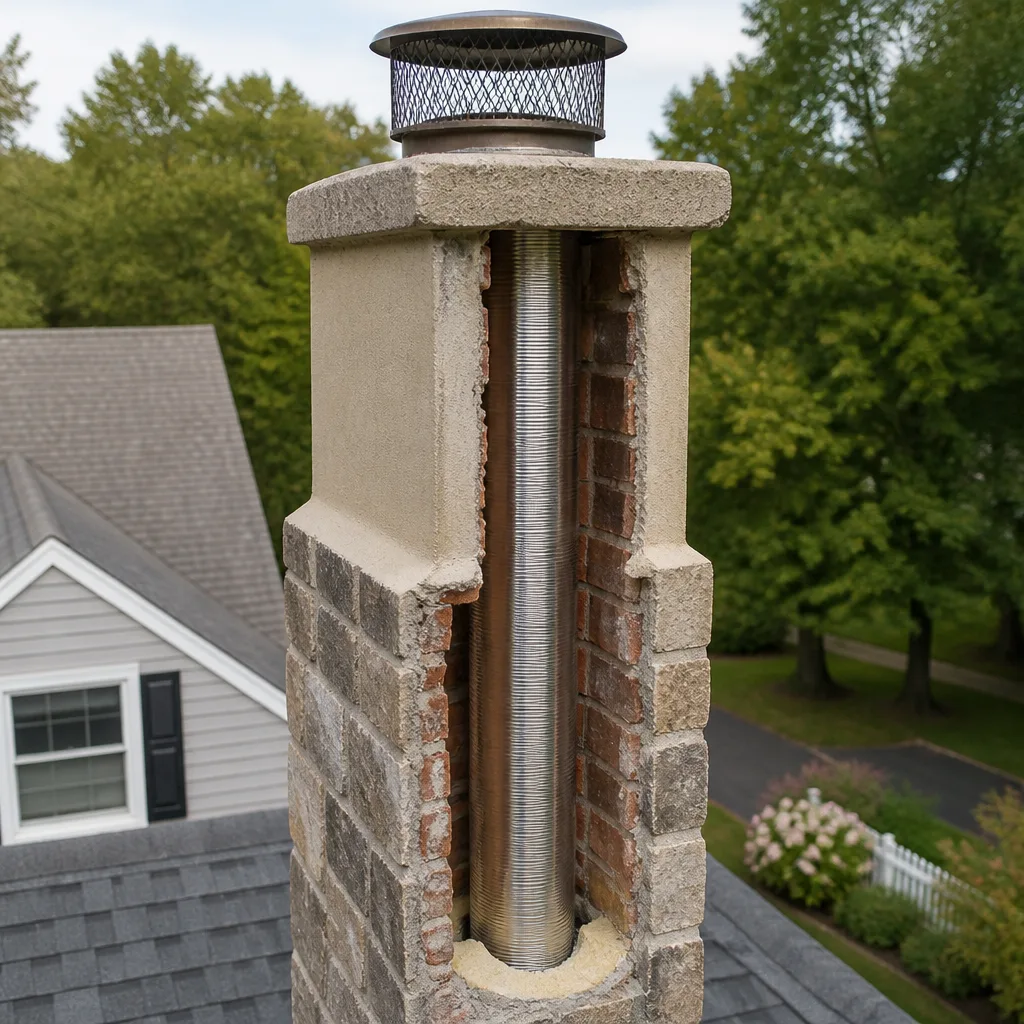 Flue relining
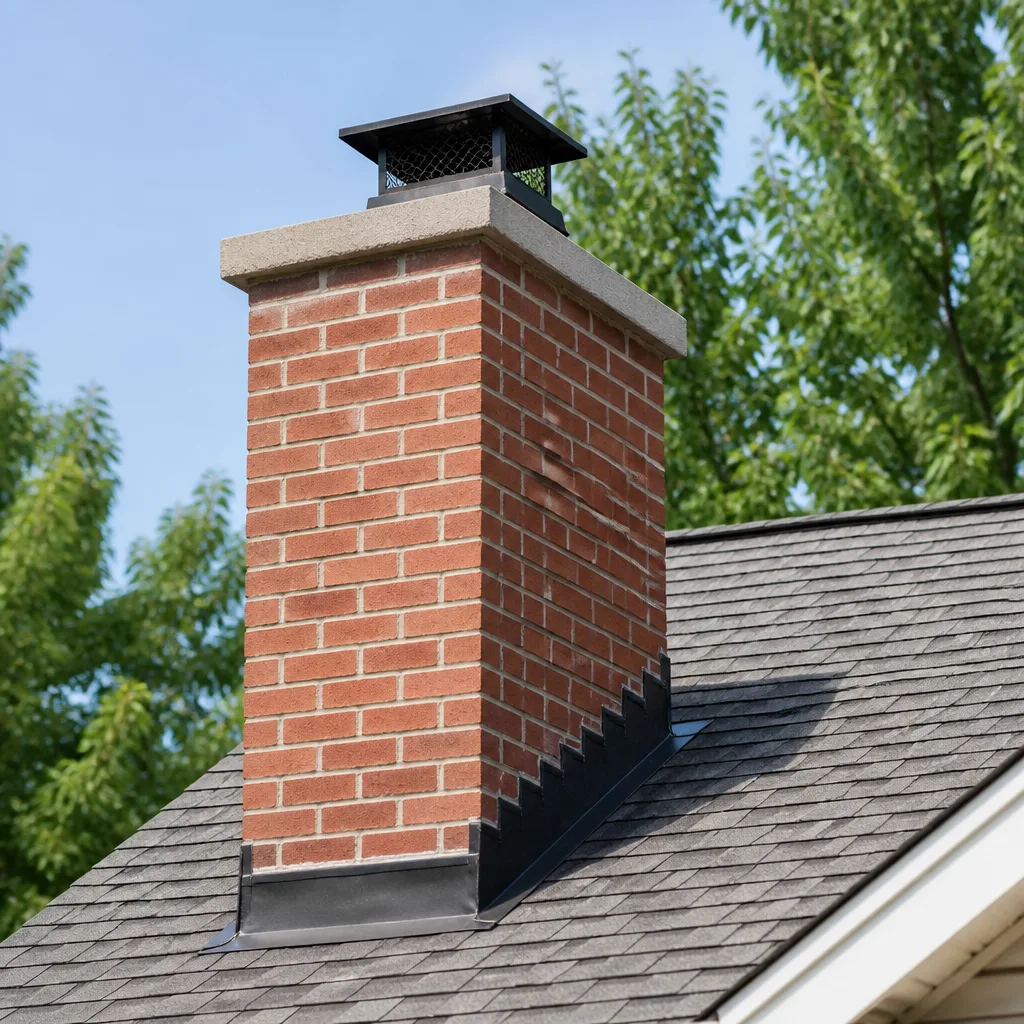 Masonry repair
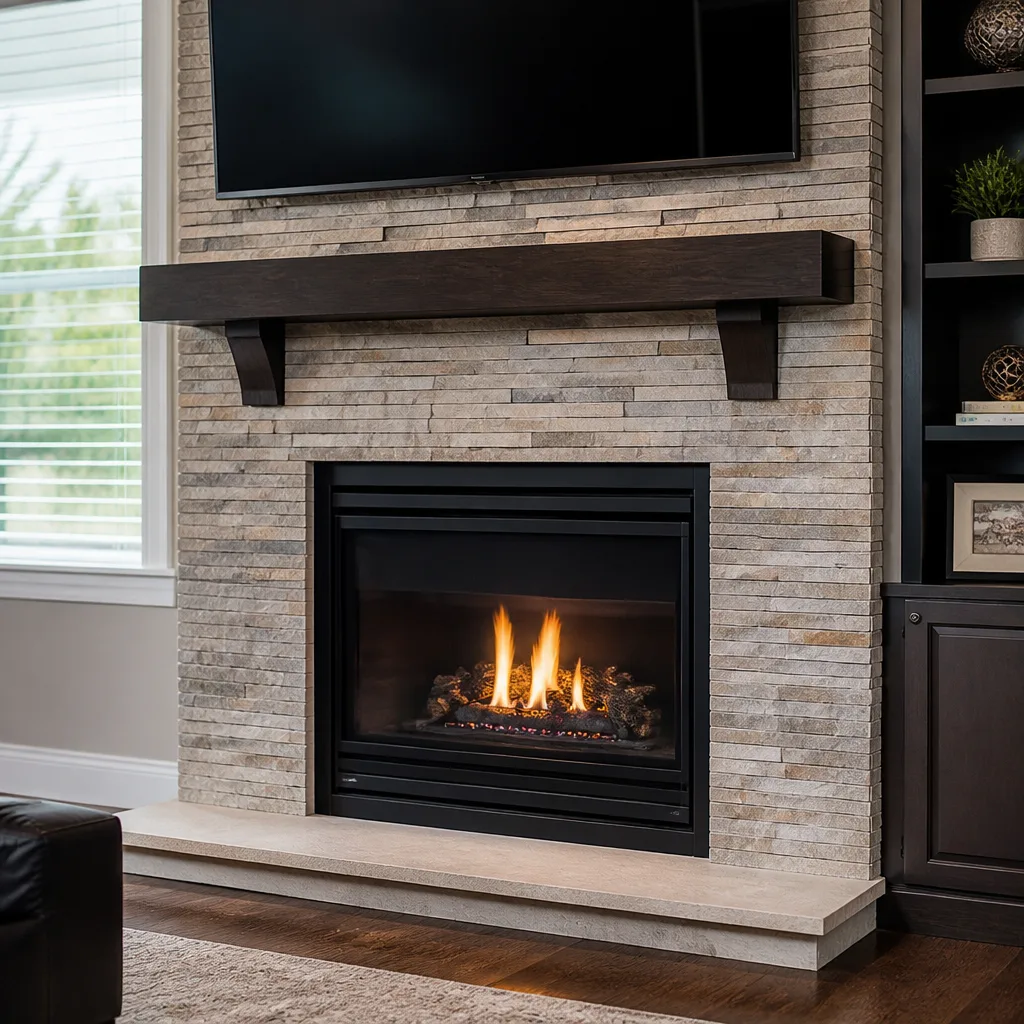 Gas fireplace service
Level 1 sweep and inspection to the NFPA 211 annual standard - flue, crown, cap, and flashing checked and photographed
Chimney sweep logs do not sweep chimneys. They loosen some creosote - which then falls where a brush and vacuum still have to collect it.
Chimney Cleaning Warning Signs: A Kirkland Homeowner’s Reference Guide
The smell of a campfire when your fireplace is cold isn’t ambiance. It’s a ventilation problem with a specific cause, and it’s telling you something before a fire ever starts. Most chimney trouble doesn’t announce itself with smoke pouring into the living room or a panicked call to the fire department. It shows up quietly: a faint draft you didn’t notice last winter, a patch of white bloom on the brick, a pop you’ve started to chalk up to the house settling. In Kirkland, where damp winters and a long burning season work masonry hard, those low-signal warnings are the ones worth learning. This guide walks you through the seven sensory indicators, what each one points to mechanically, and when a call makes sense.
Quick Answer
The main chimney cleaning warning signs are a campfire or creosote smell when the fireplace is cold, smoke that rolls back into the room, white staining on exterior masonry, sooty or oily residue around the firebox, a draft that’s weaker or stronger than it used to be, popping or cracking sounds during heat-up, and visible buildup on the flue walls. In Kirkland, any of these is a reason to book a professional sweep and inspection rather than wait for spring.
Styles & brands we work with
- Sweep & inspection
- Caps & crowns
- Flue relining
- Masonry repair
- Gas fireplace service
Table of Contents
- The Seven Sensory Indicators and What Each One Means
- Why Your Fireplace Smells When It’s Cold
- White Staining on Masonry: A Moisture Warning, Not Cosmetic
- Smoke Color and Rollback Patterns
- Settling Sounds vs. Expansion Noises That Signal Liner Cracking
- Residue and Draft: Reading the Firebox
- Gas Insert Warning Signs vs. Wood-Burning Warning Signs
- Why Kirkland Chimneys Show These Signs Sooner
The Seven Sensory Indicators and What Each One Means
Before we get into each sign, here’s the short version. Every warning signal you can detect from inside a Kirkland home comes down to one of seven channels, and each channel maps to a mechanical cause. Learn the map once and you’ll read your own chimney correctly.
- Smell: A campfire scent when the fireplace is cold points to a flue-to-house pressure imbalance pulling stale flue air inward, or a layer of creosote releasing odor as humidity rises.
- Sound: Sharp metallic ticks during heat-up are normal expansion. Cracking or popping from inside the chimney chase, especially after cooldown, suggests a liner or flue tile under stress.
- Smoke behavior: Smoke that lingers, curls back over the fire, or blows down into the room means draft pressure is failing or the flue is restricted.
- Residue: Soot, oily streaks, and dark smudges around the firebox and damper belong to incomplete combustion and need a sweep.
- Draft: A draft that pulls too hard (roaring, fast-burning fire) or too soft (lazy, smoky fire) both mean something changed in the flue.
- Odor timing: A smell only when it rains means water is getting in. A smell only in summer means humidity is lifting creosote vapor. A smell only when the heater runs means house pressure is working against you.
- Appearance: White bloom on exterior brick, rust streaks on the firebox, and crumbling crown edges all point to moisture tracking through the system.
Each of these is a low-signal warning. None of them means your Kirkland home is in danger right now. Together they’re the body language of your chimney, and we’d rather read it early than react after a fire.
Why Your Fireplace Smells When It’s Cold
A cold fireplace that smells like a campfire is telling you that outside air is flowing down the flue and pushing flue air back into the room. In a well-functioning chimney, warm interior air rises up the flue and draws combustion gases with it. When the flue is cold, the pressure balance reverses, and the smell you’re detecting is the creosote and soot residue that’s been sitting on the flue walls all summer.
There are three common reasons this happens in a Kirkland home:
- Stack effect reversal. The house is warmer than the flue, so air moves down the chimney and out through the damper.
- House pressure imbalance. Kitchen and bath exhaust fans, laundry, or a tightly sealed home create negative pressure that pulls air down the flue.
- Creosote accumulation. The more residue on the flue walls, the stronger the smell when any air movement occurs.
What to do about it: the smell is a signal to have the flue evaluated, not to seal the fireplace off. A proper Chimney Sweep Kirkland visit cleans the residue and checks the draft dynamics at the same time. If the smell is strongest on damp Kirkland mornings, that’s the humidity factor in the residue, not a separate problem. Cleaning removes the residue; the pressure issue itself is diagnosed during inspection.
Do not test a cold-smell theory by lighting a fire to see if it clears. A flue full of creosote catches fire for reasons unrelated to how you light the first match of the season.
White Staining on Masonry: A Moisture Warning, Not Cosmetic
White, chalky bloom on exterior brick is called efflorescence, and it’s the chimney version of a water stain on a ceiling. It means moisture has been moving through your masonry, dissolving salts from the brick and mortar, and leaving them on the surface as the water evaporates. In a Kirkland climate with months of wet weather, efflorescence is common and often dismissed as cosmetic. It isn’t.
Here’s the mechanism: brick and mortar are porous. Water gets in through the crown, a missing or loose cap, a degraded flashing seam, or the chimney chase itself. When that water travels through the masonry and the chimney doesn’t have proper drainage, the salts deposit on the surface. Left unchecked, the cycle of wet-dry-wet causes spalling, freeze-thaw damage in cold snaps, and mortar erosion.
Where to look on your Kirkland home:
- The crown, the sloped concrete cap at the very top. Cracks in the crown let water in at the worst possible spot.
- The chimney cap, the metal hood over the flue opening. A missing or damaged cap lets rain straight down the flue and into the firebox.
- Flashing, the metal seam where chimney meets roof. Failed flashing is one of the most common moisture sources in this region.
- Brick face and mortar joints on the chimney chase itself.
If your chimney has a dedicated cap and crown service needs, that’s exactly the type of repair we handle as part of our chimney repair work. A professional-grade cap and crown, installed correctly, breaks the moisture cycle at the source. Cosmetic patching of brick face doesn’t stop the water, and the efflorescence will return.
If you see standing white bloom on interior stone around the fireplace, that’s a different signal pointing to interior water ingress, and it’s worth a full inspection. Efflorescence on the outer chase and bloom on the interior firebox wall are two separate conversations.
Smoke Color and Rollback Patterns
Smoke tells you things about how your flue is pulling, and experienced technicians read it like weather. The most important thing to learn is what normal looks like: a properly drafting fireplace sends gray-white smoke straight up the flue, with the flame standing upright and steady. Anything else is a signal.
- White or thin smoke: Generally normal combustion of dry wood. If the white smoke is excessive, you may be burning wood that’s not dry enough.
- Gray smoke: Normal to slightly cool flue. Watch for how it moves.
- Dark, black, or thick smoke: Incomplete combustion or wet wood, and often a sign of heavy creosote accumulation in the flue.
- Yellowish or brownish smoke: Combustion of creosote is possible; stop and call a professional to evaluate.
- Rollback: Smoke curling back over the top of the fire and returning into the room. This is the classic sign that the flue is restricted or the pressure balance has failed.
Rollback is the one to pay attention to. If your fireplace used to draw fine and now puffs smoke into the room every time you open the door, something changed. The four usual causes are a flue restriction from creosote, a partially closed or jammed damper, a flue that’s been sized wrong for the firebox, or negative pressure inside the house pushing smoke down the chimney.
Smoke behavior is the reason we recommend a proper chimney sweep before the first fire of the season, not after. A sweep removes the restriction; an inspection identifies the pressure problem behind it. Doing one without the other is guessing.
Settling Sounds vs. Expansion Noises That Signal Liner Cracking
Every chimney makes some noise, and most of it is normal. Metal liners and masonry both expand when heated, and that expansion produces a predictable set of clicks and ticks. The trick is telling normal thermal behavior apart from sounds that point to a structural problem.
Normal sounds in a wood-burning chimney:
- A soft metallic ping or tick during the first ten minutes of a fire, as metal expands.
- Occasional creaks during cooldown, as components contract.
- A low steady rumble of draft, especially on windy Kirkland evenings.
Sounds that deserve professional attention:
- Sharp cracking or popping that continues well after the fire is at temperature.
- A grinding or rattling sound that appears when the wind picks up.
- Sound that seems to come from inside the wall around the chimney, not from the firebox.
- Any noise paired with smoke rollout, a smell of fumes, or visible residue.
The reason these matter: a clay flue tile liner, which is what most older Kirkland homes still have, can develop cracks that widen under heat. A cracked tile allows combustion gases to migrate into the chimney chase and, from there, into the house. Metal liners like the ones we install from DuraFlex or Olympia Chimney don’t crack the way tile does, but their seams can fail or their support hardware can loosen over years of heating and cooling. Either way, sound is one of the earliest clues.
We’d rather inspect a chimney based on a sound than replace it based on a failure. This is also where our chimney repair work overlaps with the way we think about fireplace repair: sound alone rarely justifies a repair, but it’s the reason to look carefully.
Residue and Draft: Reading the Firebox
The firebox and the area just above the damper is where the chimney keeps its diary. Residue type tells you about combustion efficiency; residue placement tells you about draft. A quick visual check every few weeks through burning season, using a flashlight, will tell you more about your chimney’s condition than most homeowners realize.
Reading residue:
- Light soot, black powder: Normal, but if it’s building fast you may be burning wet wood or smoldering fires.
- Oily, sticky, or tar-like deposits: This is creosote, the class of residue that fuels chimney fires. A sweep is due.
- Glazed creosote: Hard, shiny, and difficult to remove with a brush. This is the kind that sometimes signals you need HeatShield resurfacing for a damaged liner behind it.
- Rust streaks: Water in the firebox. Likely a missing cap, failed crown, or leak around the damper.
- White bloom inside the firebox: Moisture tracking through the masonry from outside.
Reading draft: with the damper open and no fire, hold a lit match or thin strip of paper near the firebox opening. If the smoke pulls upward into the flue, draft is working. If it drifts into the room, or just sits there, draft is failing. Do not extend this test to running a fire to “see what happens” – the point of the check is to avoid lighting a fire into a failing flue.
Two things matter about residue in this region. Kirkland’s damp climate slows drying of firewood, and moist wood produces more creosote. And modern Kirkland homes are tightly sealed, which changes the pressure balance and can stall draft. Both factors push residue accumulation faster than what a homeowner in a drier climate might expect.
Gas Insert Warning Signs vs. Wood-Burning Warning Signs
Gas inserts and wood-burning fireplaces do not fail the same way. Many Kirkland homeowners assume that because a gas insert has no visible fire and no wood, the chimney needs no attention. In practice, a gas insert has its own set of warning signs, and several of them are more subtle than the ones on a wood-burning system.
Gas insert warning signs:
- A sulfur or rotten-egg smell. This is the signal to shut the gas off at the supply and call a professional. Do not troubleshoot it yourself.
- A hissing or rushing sound when the unit is off, which can indicate gas pressure where it shouldn’t be.
- Soot on the glass, the logs, or the firebox interior. Gas should burn clean; soot means incomplete combustion or blocked venting.
- Condensation on the glass or the inside of the firebox that persists after the fire is off.
- A draft that pulls air down the flue even with the unit off.
- Any persistent smell of exhaust inside the room.
Wood-burning warning signs:
- Creosote buildup on the flue walls, visible through the damper or on the firebox walls.
- Smoke rollout, as discussed earlier.
- Dark or thick smoke from the chimney top.
- A campfire smell when the fireplace is cold.
- Sparks or embers appearing beyond the firebox.
- Cracked or spalling firebrick.
The mechanical difference matters for inspection. A gas insert has a smaller venting path and depends on proper venting more than it depends on draft from combustion volume. A wood-burning fireplace depends on strong draft for safety as well as performance, and its main hazard is creosote. An inspection that doesn’t cover both failure modes misses half the story. That’s a big part of why we treat your chimney as a system, from firebox to crown, on every visit.
Why Kirkland Chimneys Show These Signs Sooner
Some of what shows up on a Kirkland chimney is climate; some of it is the housing stock. Both work together, and knowing the local pattern helps you interpret what you’re seeing.
Climate:
- Wet winters create a slow cycle of moisture intrusion and drying that erodes mortar and concrete over years.
- Damp air slows firewood drying, and wet wood burns cooler, which loads the flue with creosote faster.
- Fall and winter inversion days trap smoke and make draft behave differently than on clear days.
Housing stock:
- Many Kirkland homes were built in eras when clay-tile flue liners were standard, and tile cracks under thermal cycling after years of use.
- Tight walls and newer windows change house pressure, which affects draft and can introduce cold-smell symptoms that weren’t there before a remodel.
- Gas insert retrofits into older masonry fireplaces are common, and the venting for a gas insert should be verified separately from the masonry the insert is set into.
None of this means a Kirkland chimney is uniquely at risk. It means the warning signs on this list show up reliably here, and if you’re seeing two or three of them at once, the right move is a professional inspection. Familiarity with the local pattern is part of why we look at the whole system on every visit.
Common Mistakes to Avoid
- Dismissing a cold-smell as “just the chimney.” It’s a specific signal, and the specific cause can be found. Left alone, the smell tends to get thrown into the “we’ll deal with it next year” category and never gets solved.
- Treating efflorescence as a cosmetic issue. White bloom on Kirkland masonry is water, and water always wins if you only paint over it. The cap, crown, and flashing need to be checked properly.
- Testing an iffy draft by lighting a fire. A match or paper test tells you what you need to know. Lighting a fire into a restricted flue is exactly the scenario a chimney fire is made of.
- Assuming a gas insert needs no service because there’s no wood. Gas inserts have their own warning signs, and some of them are more dangerous than wood-burning signs because there’s no visible smoke to tip you off.
- Burning wet or “seasoned yesterday” wood in a Kirkland winter. Wet wood loads the flue with creosote faster than anything else. Firewood needs real drying time.
- Hiring a general handyman to inspect a chimney. Chimney systems have their own failure modes and their own materials. A generalist can spot a dirty chimney; a specialist is trained to read the whole system, and to see the difference between a settling sound and a liner problem.
- Waiting for the “big” sign before calling. Chimney fires and carbon monoxide incidents don’t develop quietly overnight; they follow a trail of small warnings that were dismissed one by one.
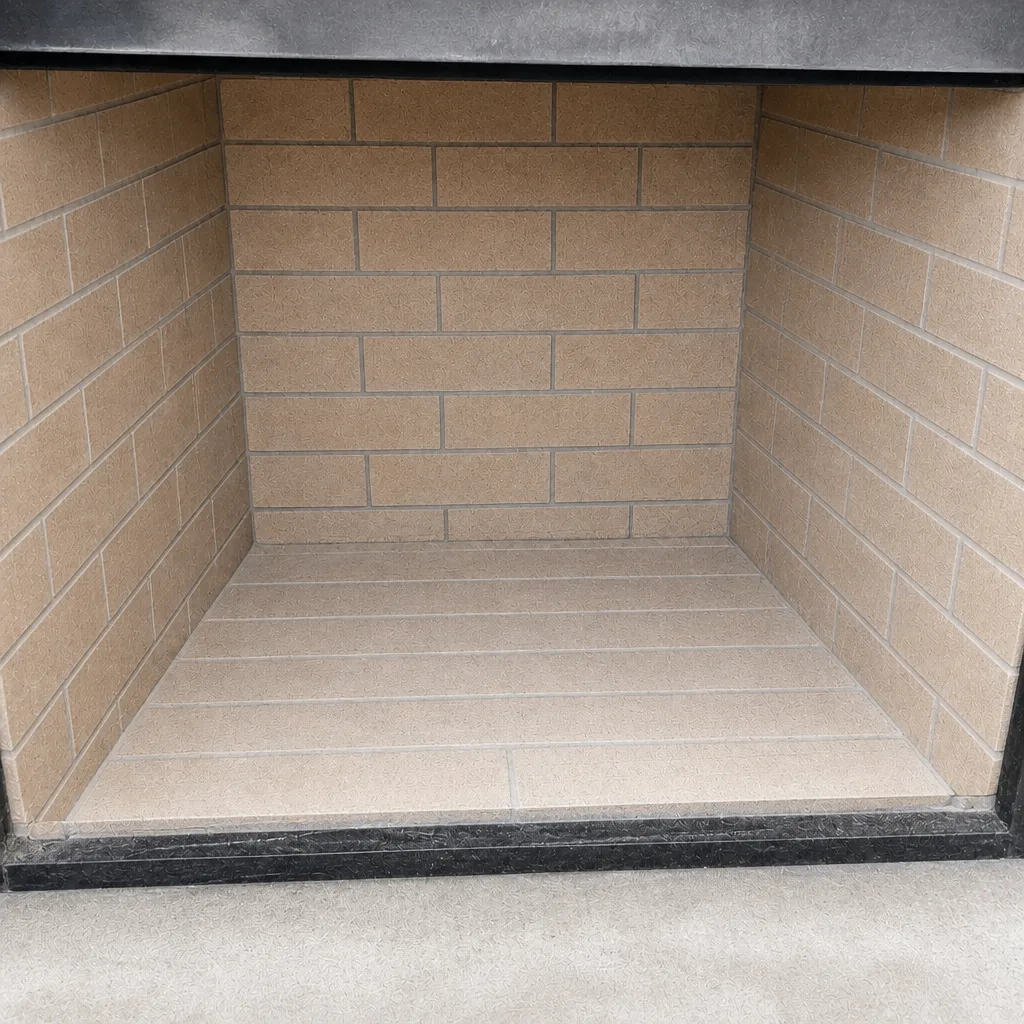
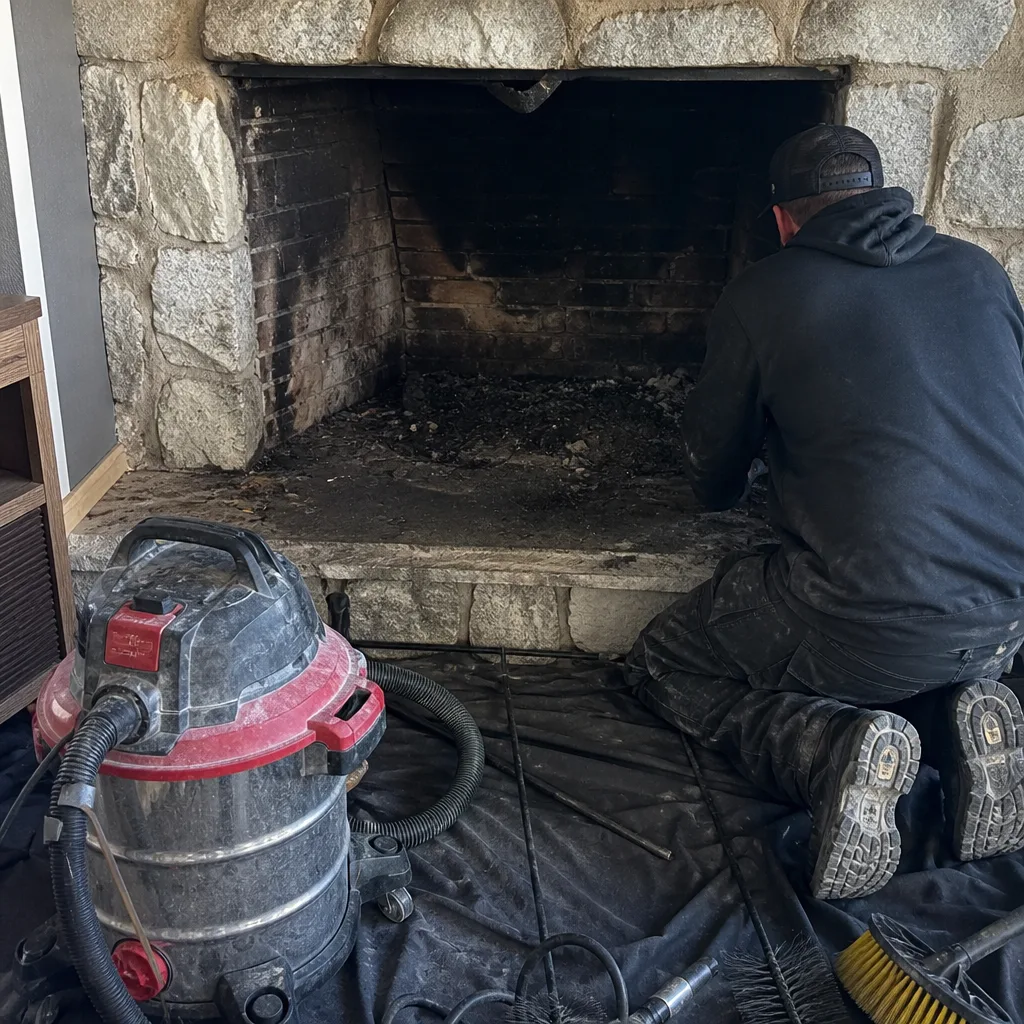
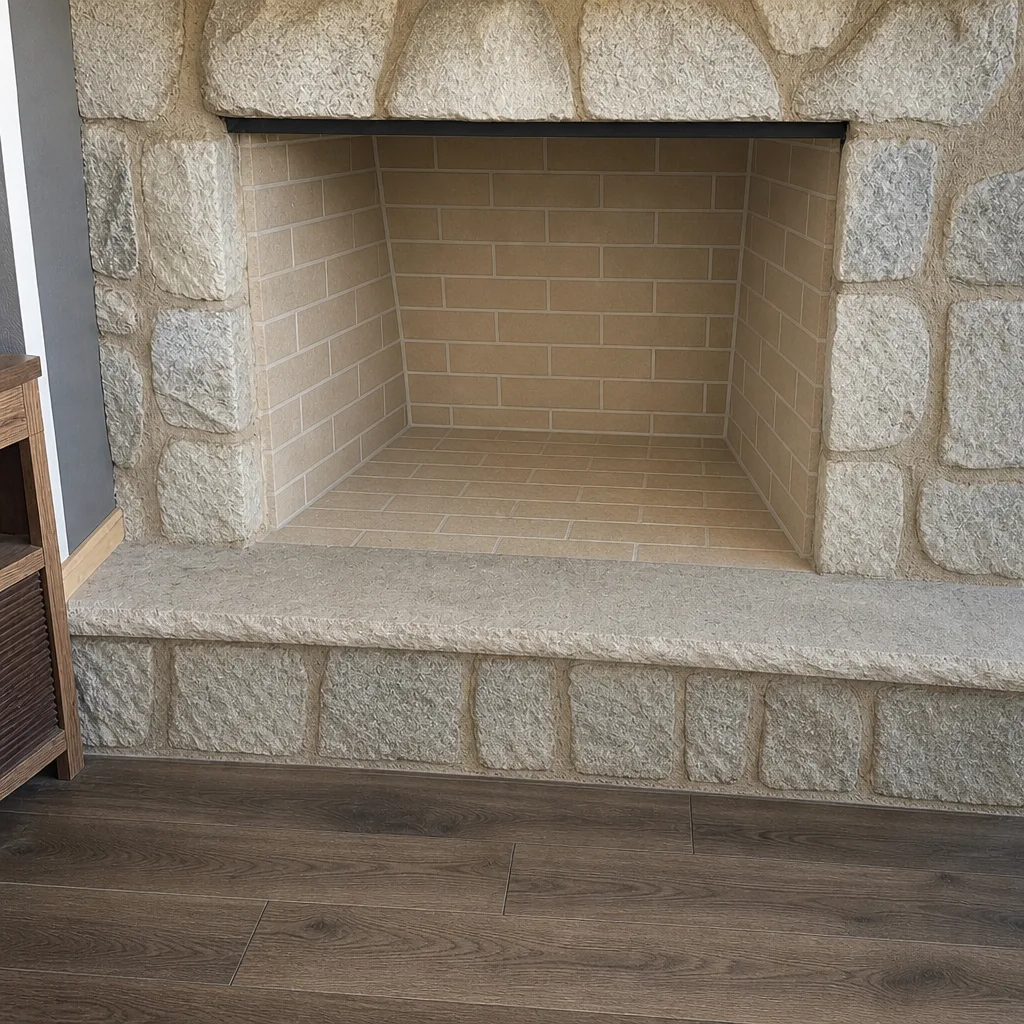
See the difference
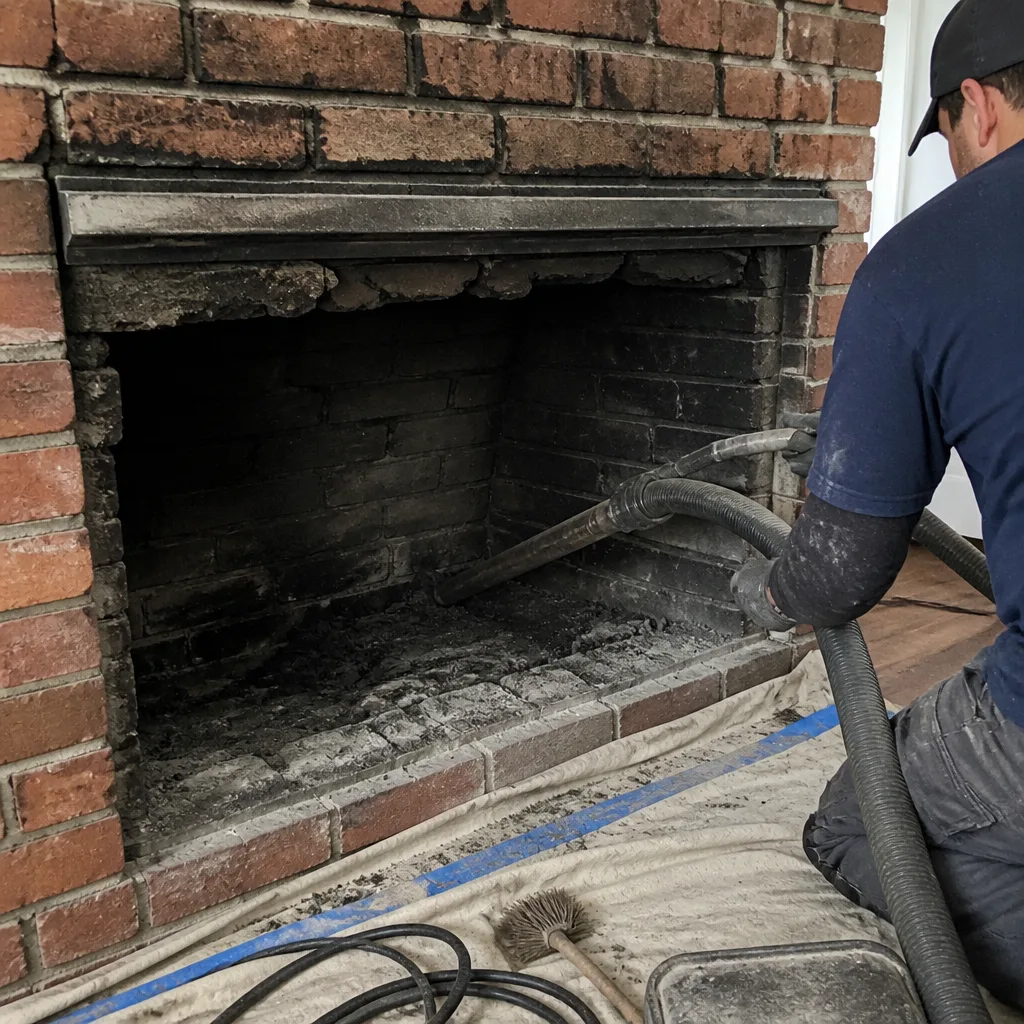 Before
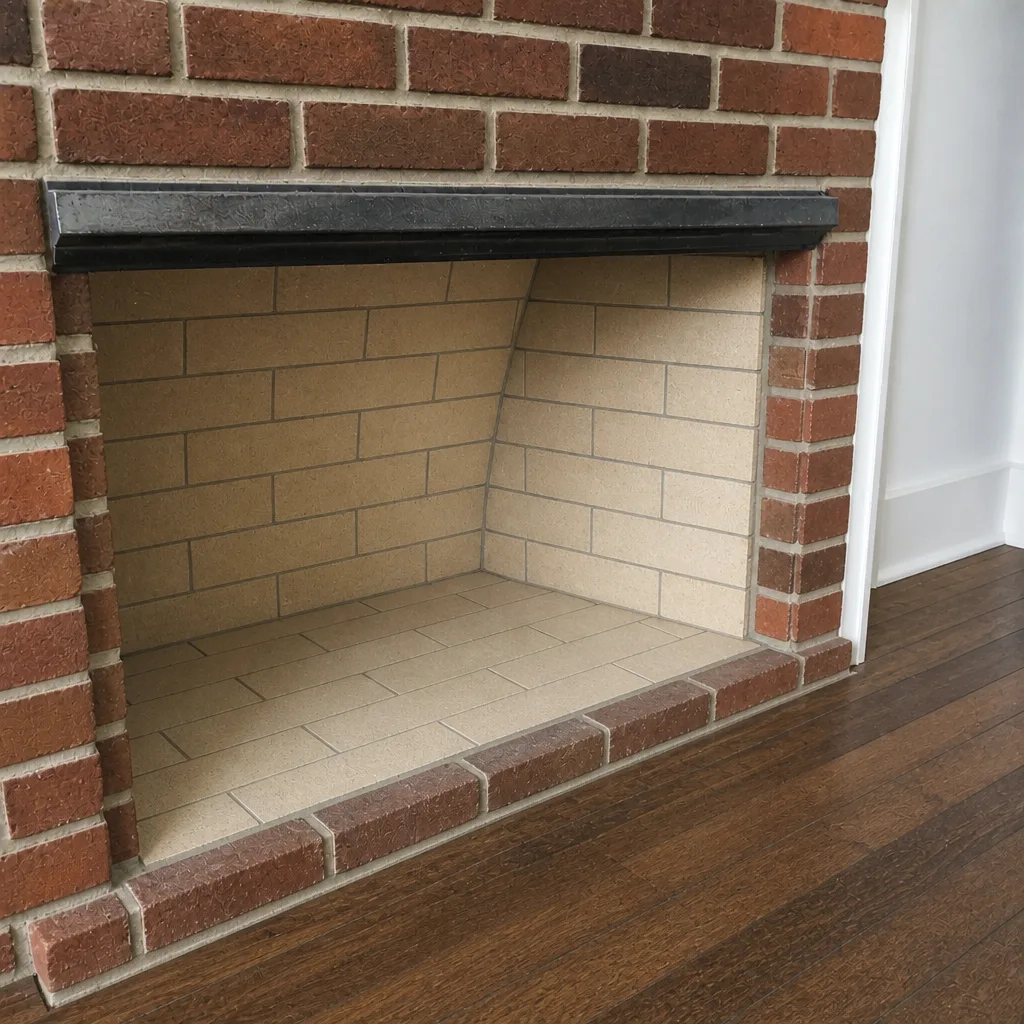 After
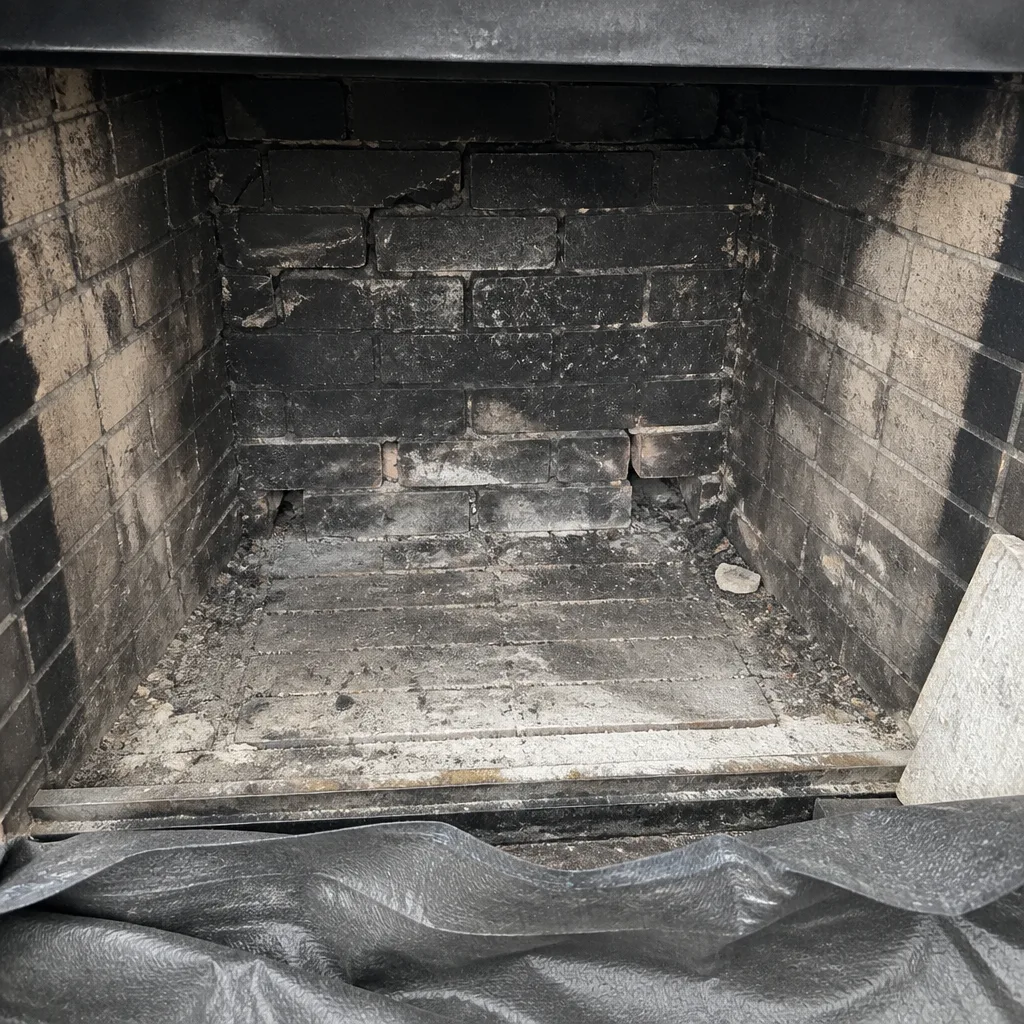 Before
 After
 Before
 After
When to Call a Professional
Call a professional if you notice any of the following: smoke rolling back into the room when the fireplace is lit, a gas smell or persistent exhaust smell with a gas insert, dark or heavy smoke from the chimney top that doesn’t clear, white efflorescence spreading on the exterior masonry, soot or creosote you can see building up above the damper, a smell of fumes in the house on wind-driven days, or sounds from inside the chase that continue after the fire is fully warmed. A single warning sign is a reason to book a visit; several together is a reason to book before the next fire. The cost of a sweep and inspection is small compared with the cost of a chimney fire or a liner replacement that could have been prevented. Chimney Sweep Kirkland offers free estimates in Kirkland. Call (833) 748-1365. We answer 24/7. Fast dispatch from 7am to 7pm, Sunday through Friday.
Frequently Asked Questions
If you burn wood regularly, we recommend an annual sweep and inspection, and more often if you notice any warning sign from this guide. Kirkland’s damp climate makes firewood harder to fully dry, which accelerates creosote buildup compared with drier climates. A sweep and inspection each year is the baseline; that’s also the point at which small issues get caught before they escalate. Call (833) 748-1365 for a free estimate.
A cold-fireplace campfire smell points to reversed airflow in the flue, usually caused by a pressure imbalance between inside and outside, or by creosote residue releasing vapor as humidity rises. In Kirkland homes this is common in fall, when outdoor temperatures drop and the house stays warm. The fix depends on the cause, so an inspection is the right first step rather than trying sealed fireplaces or scented candles. Call (833) 748-1365 for an exact quote – estimates are free.
White powder on chimney brick is efflorescence, and it signals water moving through the masonry. It’s not dangerous by itself, but it points to a moisture path that, uncorrected, leads to spalling brick and mortar erosion. On a Kirkland chimney, the usual causes are a failed crown, a missing cap, or degraded flashing. A cap and crown service is the most direct fix in most cases. Call (833) 748-1365 for a free estimate.
Rollback means the flue can’t carry the smoke out fast enough, and the room becomes the path of least resistance. Three common causes are creosote restricting the flue, a pressure problem pulling smoke back down, or a flue sized wrong for the firebox. Rollback is one of the sharper warning signs and shouldn’t be ignored because it’s “just a little bit.” Call (833) 748-1365 for an exact quote – estimates are free.
A visual inspection is the only reliable way. Symptoms that suggest a cracked tile liner include cracking sounds from inside the chase, dark streaks on the chimney exterior, and smoke or fume smells that weren’t there before. A camera inspection lets the technician see the liner directly, and the photos are yours to keep. Cracked tile liners are one of the reasons HeatShield resurfacing or a DuraFlex liner replacement exists as a repair, and a proper inspection will tell you which applies. Call (833) 748-1365 for a free estimate.
Yes. Gas inserts don’t produce creosote, and they don’t send visible smoke up the flue – so the warning signs are subtler. A sulfur smell, soot on the glass, condensation that doesn’t clear, or persistent exhaust smell inside the room all mean the insert needs professional attention. Wood-burning chimneys flag issues with smoke behavior, residue, and cold smell. An inspection that covers both failure modes is what you want. Call (833) 748-1365. We answer 24/7. Fast dispatch from 7am to 7pm, Sunday through Friday.
The Bottom Line
The chimney warnings that matter most in a Kirkland home are the quiet ones: a smell when the fireplace is cold, a bit of white bloom on the brick, smoke that curls back, a sound that keeps going after the fire is hot. Each one maps to a mechanical cause, and the cause can usually be found with a proper inspection and a sweep. If you see several at once, book the visit before the next fire. A trained specialist with up to 10 years of experience can identify the problem while it’s small, not after it becomes a chimney fire or a liner replacement. Professional-grade materials matter too – DuraFlex, HeatShield, Gelco, Olympia Chimney, Famco, and Copperfield are the lineup we work with because they’re built for the job.
Call (833) 748-1365 for a free estimate. We answer 24/7. Fast dispatch from 7am to 7pm, Sunday through Friday.
Written by the team at Chimney Sweep Kirkland.