
Last updated November 24, 2026
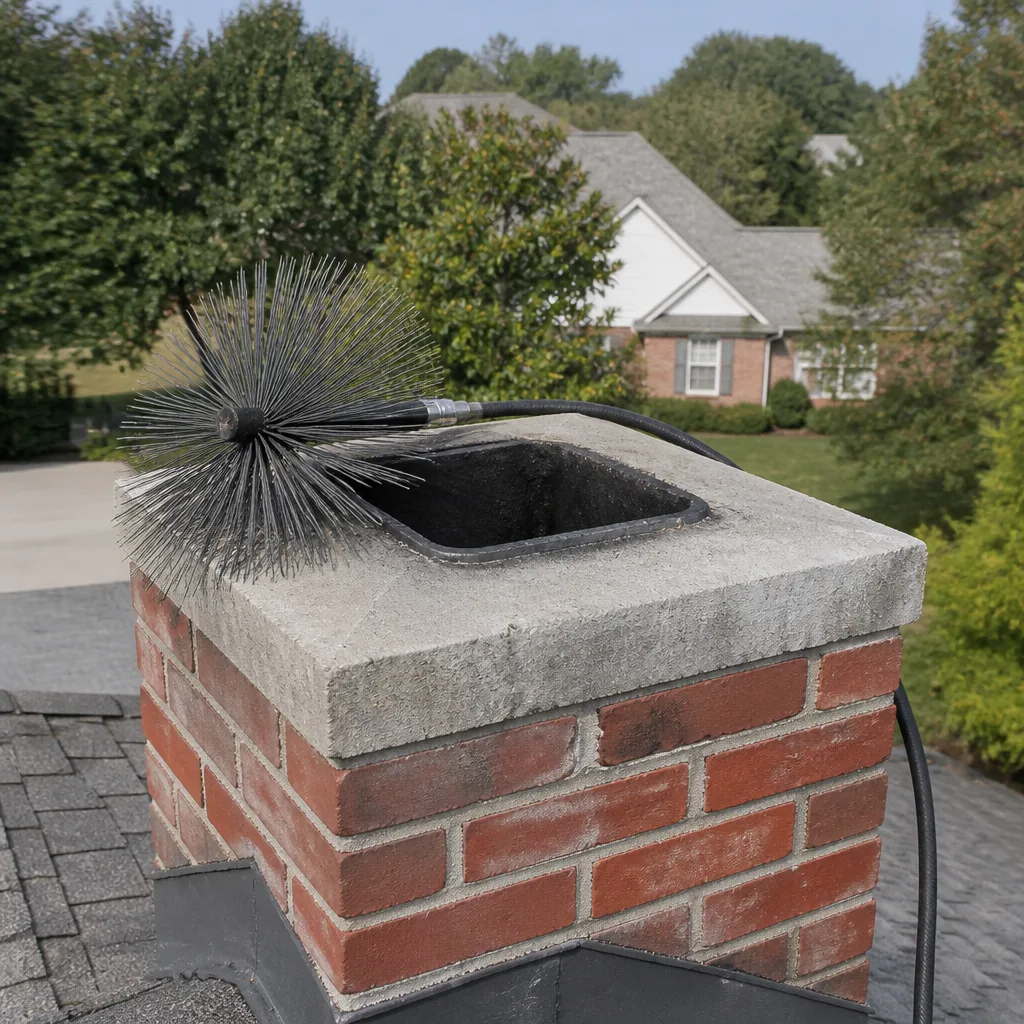 Sweep & inspection
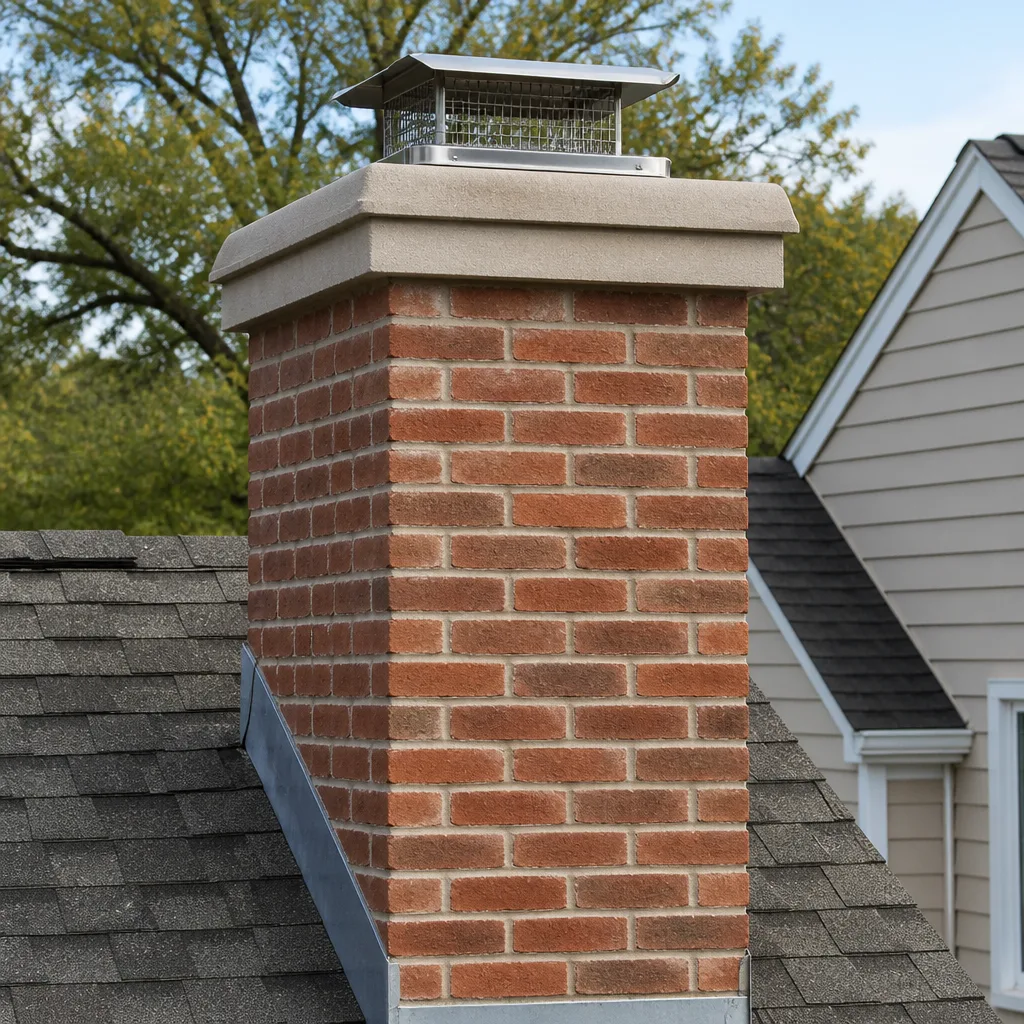 Caps & crowns
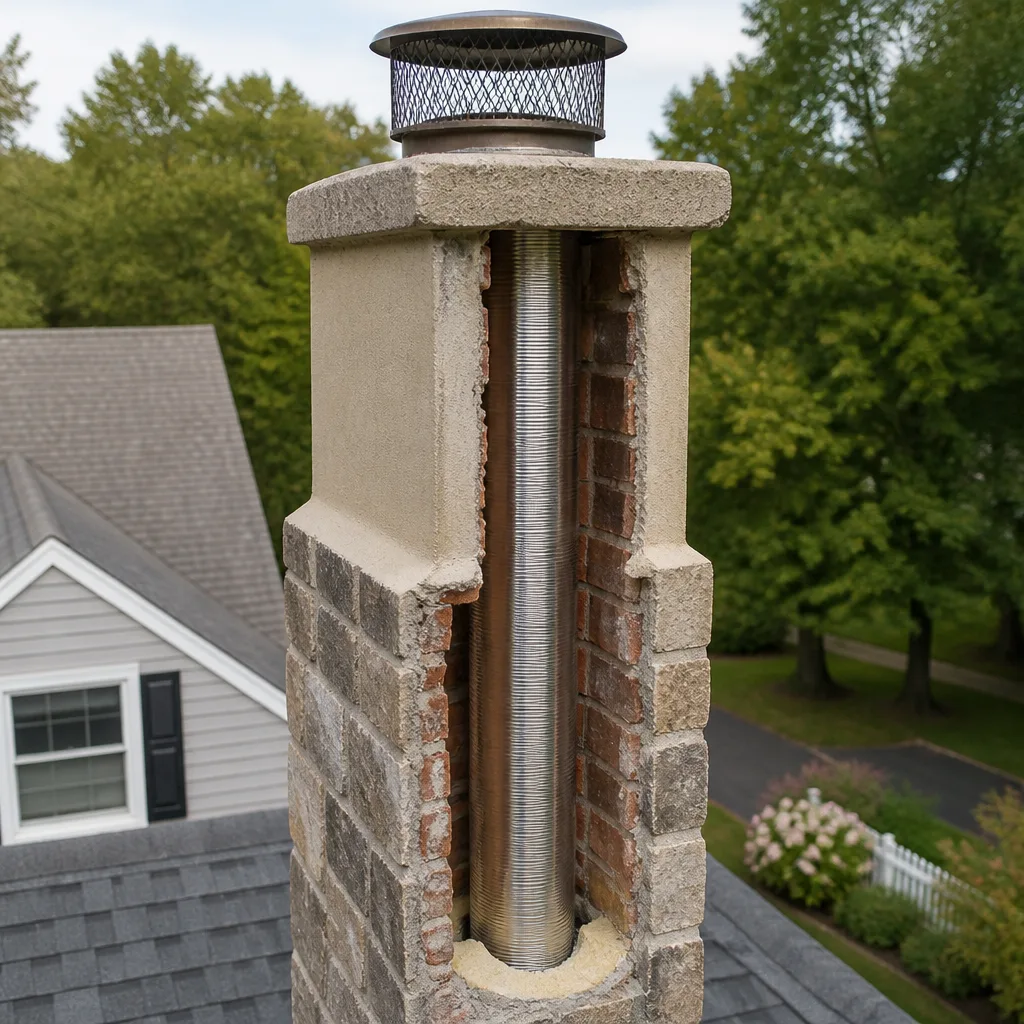 Flue relining
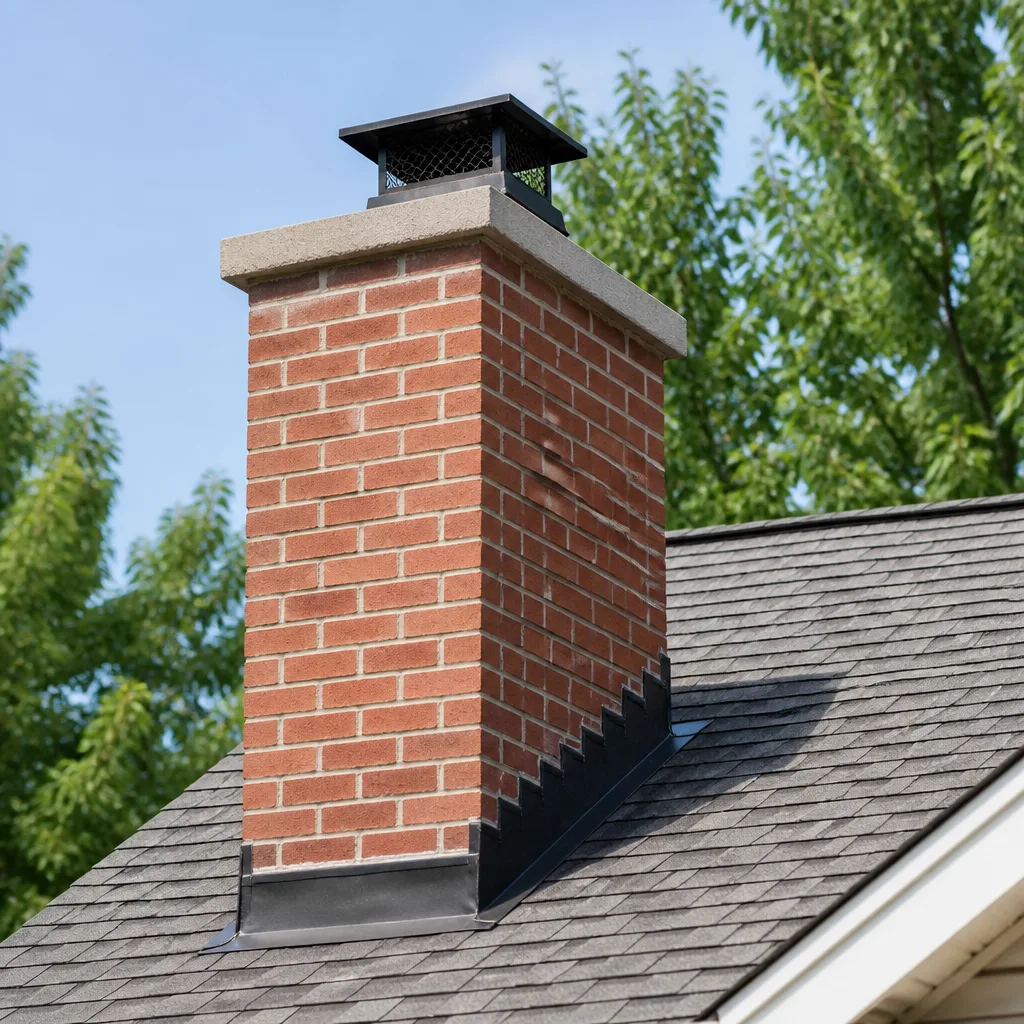 Masonry repair
 Gas fireplace service
Level 1 sweep and inspection to the NFPA 211 annual standard - flue, crown, cap, and flashing checked and photographed
Chimney sweep logs do not sweep chimneys. They loosen some creosote - which then falls where a brush and vacuum still have to collect it.
Choosing the Right Chimney Cleaning Brand: A Buyer’s Guide for Kirkland
Most homeowners assume the sweep matters more than the supplies. In practice, the products used during and after a cleaning often decide how long the work holds up. Not every chimney sealant bonds properly in sustained wet conditions, and Kirkland gets about 150 days of measurable rainfall per year. That moisture load is unforgiving to cheap crown coatings and generic caulk. This guide walks through the product categories inside a chimney system, explains why specialists specify professional-grade brands like HeatShield and DuraFlex, and shows you how to ask a contractor what they use in Kirkland so the answer tells you something real.
Quick Answer
The right chimney cleaning brand for a Kirkland home is the one a specialist actually specifies by name: professional-grade materials for liners, crown coatings, and caps from brands like DuraFlex, HeatShield, and Olympia Chimney, matched to the wet Pacific Northwest climate. Brushes and creosote treatments matter too, but the products that hold up long term are the sealants and liner systems, and those are the ones generics most often fail. Ask what brand goes on your chimney and why, and you’ll know whether you’re talking to a specialist.
Styles & brands we work with
- Sweep & inspection
- Caps & crowns
- Flue relining
- Masonry repair
- Gas fireplace service
Table of Contents
- What Are the Key Product Categories in a Chimney System?
- Why Do Professional-Grade Brands Matter in Kirkland’s Climate?
- Brushes and Creosote Treatments: What Actually Gets Used?
- Liner Systems: The Product Choice With the Highest Stakes
- Crown Coatings and Chimney Caps: Where Cheap Products Cost the Most
- How Do You Ask a Contractor What Products They Use?
- Reading the Answer: Expertise or Indifference?
What Are the Key Product Categories in a Chimney System?
A chimney is a system, and each part of it uses different products. The cleaning itself relies on brushes sized to the flue. The protection side relies on sealants, coatings, liners, and caps. Quality differences show up in every one of these categories, though not equally. Here’s how we think about them:
- Brushes: Sized to the flue and matched to the liner material. A poly brush is fine for a stainless liner; a masonry flue needs the right stiffness to remove glaze without damaging the clay.
- Creosote treatments: Chemical products that break down hardened creosote so it can be swept out. They work, but only when the product matches the stage of creosote present.
- Crown coatings: The sealant across the top of the masonry. This is where the wet climate does the most damage, and where cheap products fail fastest.
- Chimney caps: The lid over the flue. Stainless caps from brands like Olympia Chimney outlast painted steel by a wide margin.
- Liner systems: The stainless or cast-in-place liner that carries exhaust up and out. DuraFlex and HeatShield are the two names a specialist will mention first.
Each category has a generic version on the hardware-store shelf. Each generic version exists because it’s cheaper to make, not because it performs as well. That gap is what this guide is about.
Why Do Professional-Grade Brands Matter in Kirkland’s Climate?
Kirkland sits in a wet, mild climate with roughly 150 days of measurable rainfall a year, and that changes what a chimney product has to do. Sealants have to stay flexible through wet and dry cycles instead of cracking when the masonry moves. Coatings have to shed water without trapping it inside the masonry. Caps have to survive wind and rain without rusting through. In our experience, the products that hold up here share three things: flexibility, UV resistance, and a moisture rating that lets the masonry breathe.
Generic caulk from the hardware store often fails one of those three. It goes on fine and looks good for a season or two. Then it cracks, water gets behind it, and the freeze-thaw cycle opens it wider. That’s how a small gap becomes a crown repair that costs far more than the original coating would have.
Professional brands are specified because they’re tested to a published standard, not because the name sounds impressive. HeatShield, for example, is a resurfacing system that restores a damaged flue from the inside. DuraFlex is a flexible stainless liner used where a rigid liner won’t fit the flue’s curves. Both solve problems that generic products simply cannot address. A specialist knows which one fits your chimney; a generalist often doesn’t.
Brushes and Creosote Treatments: What Actually Gets Used?
Cleaning products matter less than the products that go on after, but they still separate a real sweep from a quick once-over. The right brush is matched to the flue size and liner material, and creosote treatments are chosen by stage. Here’s how a proper sweep should go:
- Assess the creosote stage. Light soot, hardened glaze, and tar all need different treatment. A sweep should know which one is present before reaching for a brush.
- Size the brush to the flue. An oversized brush scours the liner; an undersized one leaves deposits. The flue gets measured, not guessed.
- Apply a creosote treatment when needed. Hardened glaze doesn’t come off a brush alone. A chemical treatment loosens it so it can be swept out safely.
- Sweep top-down or bottom-up to match the flue. The method follows the chimney, not the sweep’s convenience.
- Vacuum with a HEPA unit throughout. A proper setup keeps dust out of your living room. A shop vac with a filter isn’t the same thing.
If a sweep can’t tell you the creosote stage they found, or never mentions a treatment even when the flue clearly needs one, the cleaning is being rushed. That’s the first sign the products are an afterthought.
Liner Systems: The Product Choice With the Highest Stakes
The liner is the most consequential product on your chimney. It’s what carries exhaust and creosote smoke up and out of the house, and it’s what protects the masonry from the heat. When a liner is cracked, missing, or undersized, the chimney becomes a venting problem, and venting problems are what lead to carbon monoxide risk and chimney fires.
Two liner systems come up most in professional work. DuraFlex is a flexible stainless liner, used where the flue has curves or offsets that a rigid liner can’t pass. HeatShield is a cast-in-place resurfacing system that repairs a damaged flue from the inside, restoring a continuous, sealed surface without a full reline. Both are specified by name because they’re tested to industry standards and installed by technicians trained on them. A generic liner or a “we’ll make it work” approach doesn’t carry the same assurance.
Here’s what to ask when a contractor recommends a liner:
- Which brand and which product specifically?
- Why that product for this flue, and not the other option?
- Is a permit required for the work, and who pulls it?
- Is the existing flue inspected before the liner goes in?
You’ll also want proof that the liner is actually needed. A sweep should be able to show you camera evidence of the damage before recommending a reline. If they can’t, ask to see it. Nothing should be recommended without it.
Crown Coatings and Chimney Caps: Where Cheap Products Cost the Most
The crown and the cap are the two product choices with the highest long-term cost implications, and they’re the two most often cheapened. The crown is the concrete or masonry top of the chimney. The cap is the lid over the flue. Both take the full force of Kirkland’s rain, and both fail in predictable ways when the product is wrong.
A crown coating has to do three things: stay flexible as the masonry moves, resist UV without chalking away, and let moisture vapor escape instead of trapping it. Cheaper products often fail one of those. When the coating cracks, water gets in, and the freeze-thaw cycle widens the crack until the crown itself needs rebuilding. That’s a masonry job, not a coating job, and the cost reflects it.
Caps have a similar story. A stainless cap from a brand like Olympia Chimney can outlast a painted steel cap by years in wet weather. A painted steel cap rusts, the mesh degrades, and birds get in. The replacement is cheap; the damage from a failed cap isn’t. Caps also serve a real function beyond weather: they keep birds, squirrels, and rain out of the flue. Famco and Copperfield are among the brands we work with for cap and crown work, and we choose by what fits the chimney’s size and the flue’s needs, not by what’s in stock.
How Do You Ask a Contractor What Products They Use?
The right question is not “do you use good products?” Every contractor will say yes. The right question is specific, and a specialist will answer it without hesitating. Here’s a short list to work from:
- “What brand of crown coating do you use, and why that one?” A specialist names the product and explains the reason. A generalist gives you a generic “we use the best.”
- “If I need a liner, which product would you specify and why?” Listen for DuraFlex, HeatShield, or another industry name, plus a reason tied to your flue.
- “What brand of cap do you install?” A specialist knows the brand and the material.
- “Can you show me a photo or camera evidence before recommending any repair?” If the answer is no, ask why not.
- “Do you handle the repair yourself, or bring in a subcontractor?” A specialist handles the full system; a generalist often hands off.
These questions put the contractor in a position to demonstrate expertise rather than claim it. You’ll learn more from how they answer than from any brochure. And if the answer signals a generalist who treats chimneys as an add-on service, that’s useful too.
Reading the Answer: Expertise or Indifference?
There’s a tell, and it’s not the brand name. It’s whether the contractor can tie the product to your chimney. A specialist says: “Your crown is cracked along the flue side, so we’d use a flexible HeatShield coating that can move with the masonry instead of a rigid one.” A generalist says: “We’ll seal the top.” The first answer names a product, a problem, and a reason. The second answer is indifferent to all three.
You’ll also see it in the scope of the work. A specialist covers cleaning and inspection alongside chimney repair because the inspection tells them what the repair is for. A generalist will clean, then refer you elsewhere when the crown fails, then the next contractor inspects again to see what the first one missed. A single specialist sees the whole system and keeps the products consistent across every part of it. That continuity is worth something on a chimney that’s taking rain for half the year.
We ask for camera evidence before recommending any repair because we want the homeowner to see what we see. The chimney is a system, and the products are part of the system. When the products and the diagnosis match, the work lasts. When they don’t, you get a phone call a year later.
Common Mistakes to Avoid
- Picking a sweep by price alone. The cheapest sweep often uses the cheapest products, and in a wet climate those products fail fastest. The line item you save on now becomes the repair line item later.
- Assuming every chimney company carries real liner brands. Some don’t. Ask for the brand by name, because a company that can’t name one is often using generic materials.
- Accepting a liner or crown recommendation without camera evidence. A photo or video is proof. Without it, you’re being asked to trust a diagnosis you can’t verify.
- Letting a cracked crown linger through the rainy season. Water gets into the masonry and freezes, and a coating job becomes a masonry job. In Kirkland, this happens fast because of the rainfall.
- Installing a painted steel cap to save a little on product cost. A stainless cap lasts far longer, and the labor to replace a failed cap isn’t free either.
- Treating creosote glaze like soot. Glaze doesn’t come off a brush. It needs a chemical treatment before a sweep can clear it, and a sweep that skips the treatment isn’t doing the job.
- Hiring a generalist who treats the chimney as an add-on. A specialist trains on chimneys specifically. That focus shows up in the products and the diagnosis.
See the difference
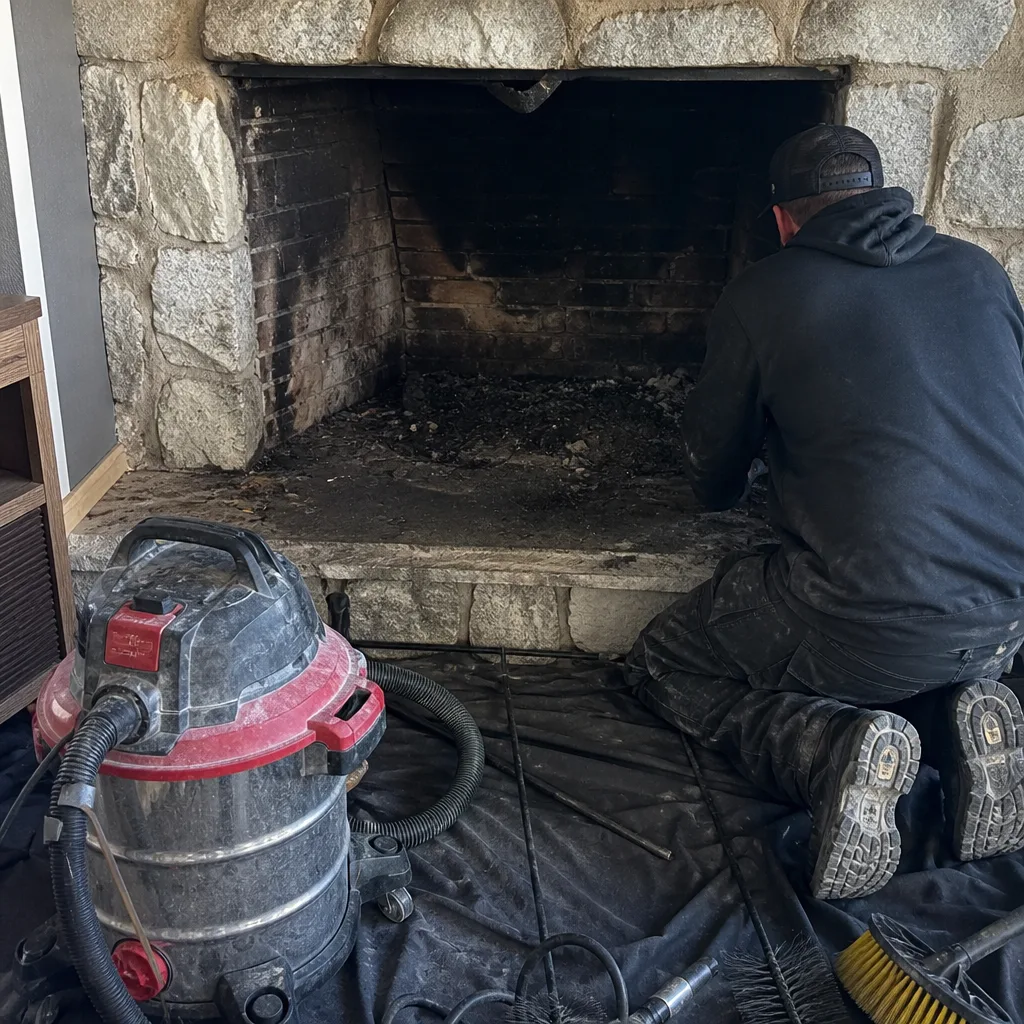
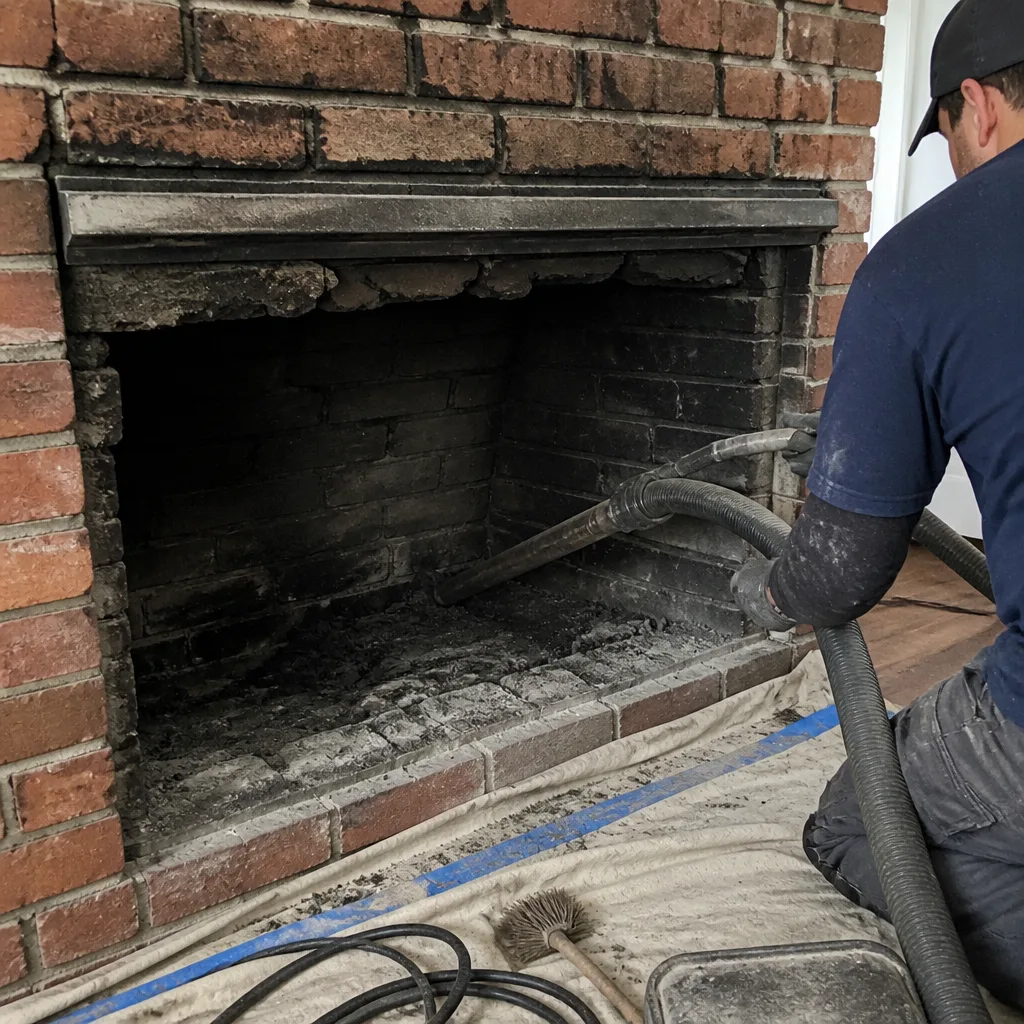 Before
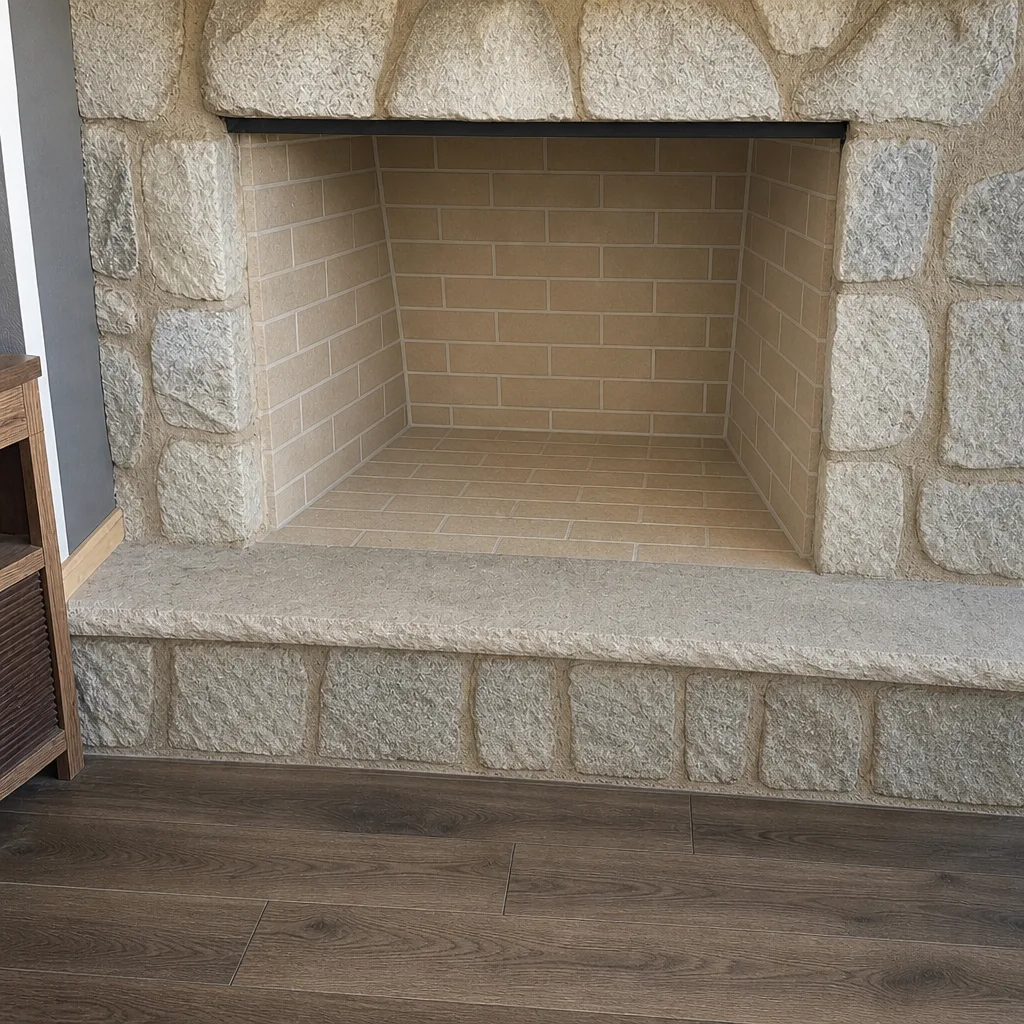
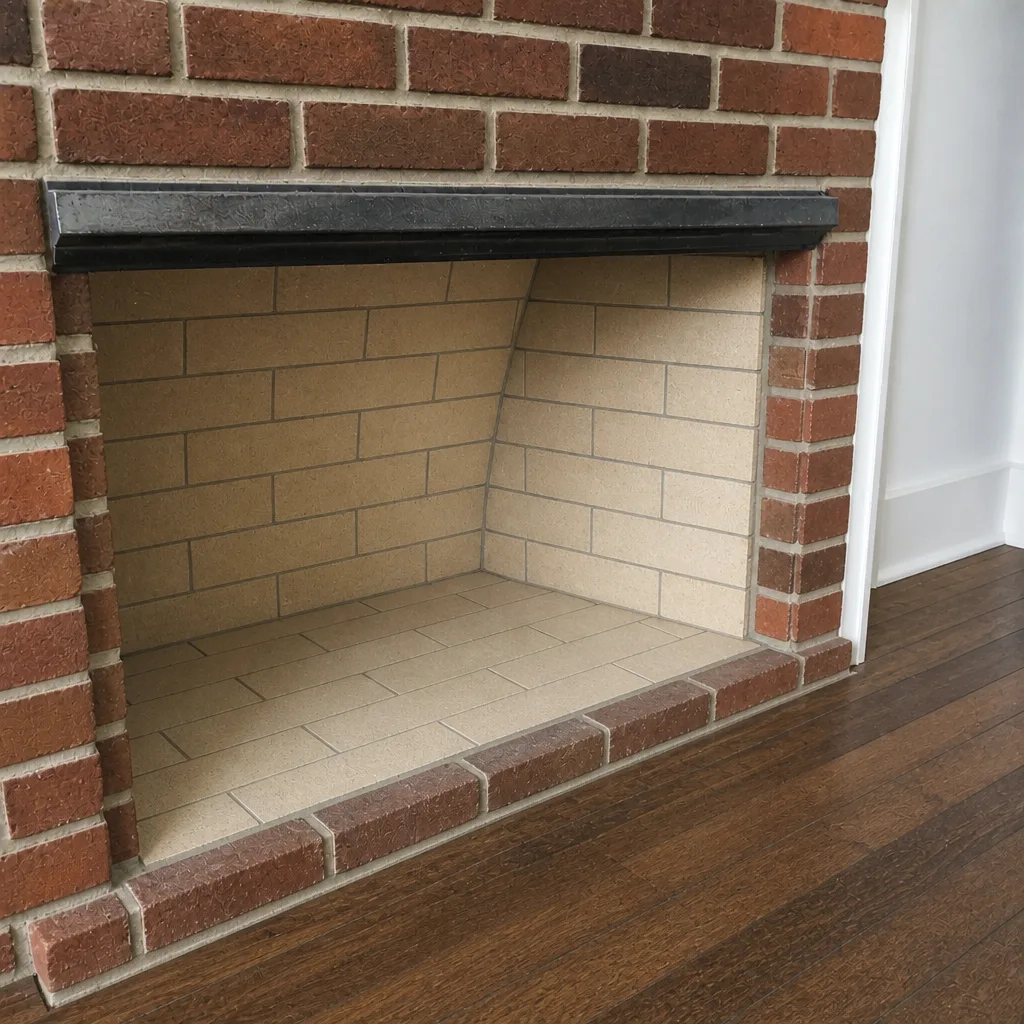 After
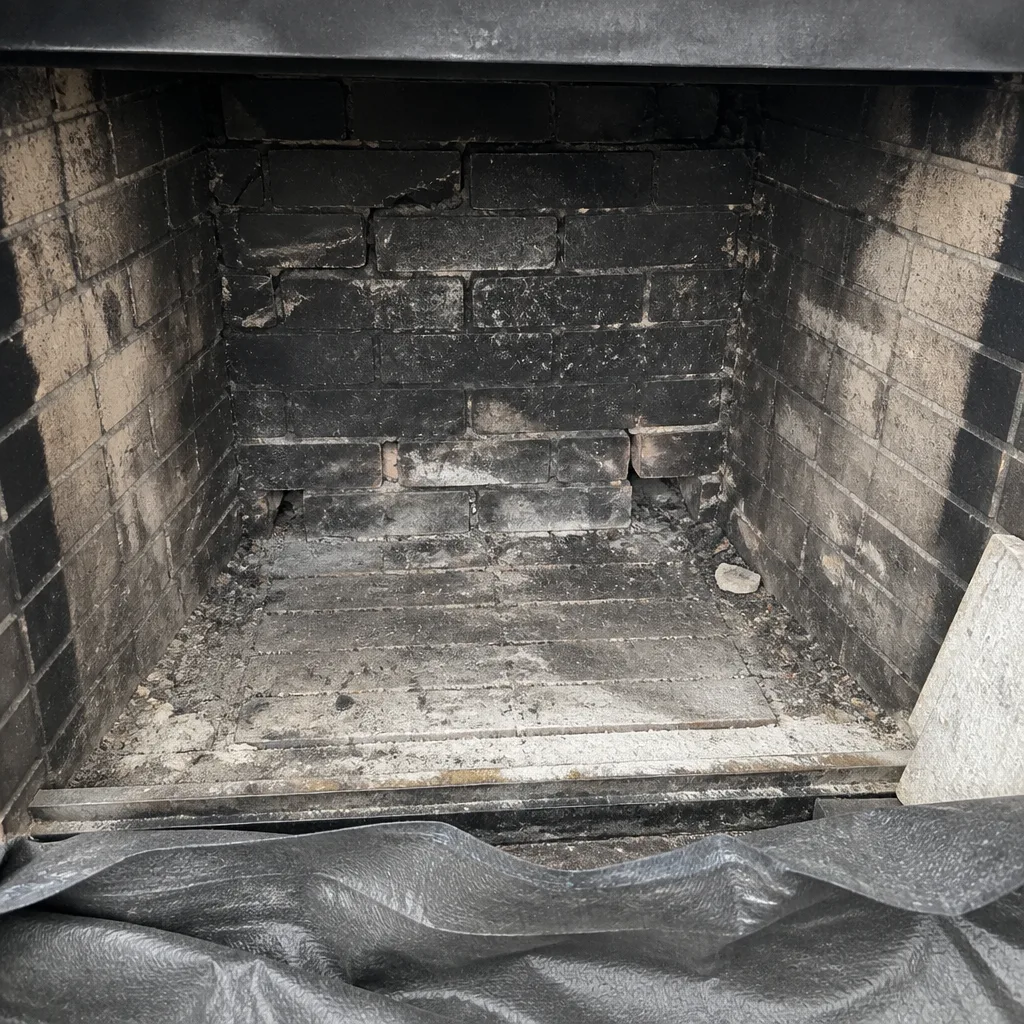 Before
 After
 Before
 After
When to Call a Professional
You’ll want a specialist when your annual sweep is due, when the creosote has built up past a routine brush-down, when you’ve noticed water inside the chimney or a rusted damper, or when you’re noticing smoke coming back into the room. You’ll also want one before you buy a house with a fireplace you’ve never had inspected. The inspection catches the liner and crown issues a quick look won’t, and the camera report shows you what’s actually there. Chimney Sweep Kirkland handles the full system from the firebox to the cap, and our technicians have up to 10 years of experience on chimney systems specifically. We offer free estimates in Kirkland – call (833) 748-1365. We answer 24/7. Fast dispatch from 7am to 7pm, Sunday through Friday.
Frequently Asked Questions
For liner work, look for DuraFlex and HeatShield, both of which are professional-grade systems tested to industry standards. For caps and crown products, Olympia Chimney, Famco, and Copperfield are the names specialists specify. Brushes and creosote treatments vary less in brand than in whether the sweep uses the right one for the job. The bigger signal is whether the contractor can name the products and explain why they fit your chimney. If you’d like to see what a full-system sweep looks like, book a chimney sweep with us and ask during the visit.
Kirkland gets about 150 days of measurable rainfall a year, and that’s hard on sealants and coatings. A product that stays flexible and sheds water handles the wet season; a cheap one that cracks will let water in, and the freeze-thaw cycle does the rest. The same goes for caps and crown coatings, which take the full weather load on the roof. In our experience, generics fail faster here than in drier climates, which makes the product choice matter more, not less.
Ask for the brand by name and the reason it fits your chimney. A specialist will name it and tie it to a specific issue, like a flexible coating for a crown that moves with the masonry. A generalist will give a vague “we use the best.” You can also ask for camera evidence before any repair is approved. If they can’t show it, ask why. The answers separate a specialist from someone who treats chimneys as an add-on service.
Letting a cracked crown go through the rainy season. That’s the mistake with the highest cost because it turns a coating job into a masonry job once the freeze-thaw cycle opens it up. The second is installing a cheap painted steel cap instead of a stainless one, which rusts and fails in wet weather. Both are product decisions, and both are fixable if you catch them before the damage spreads. Call (833) 748-1365 and we’ll take a look before the season turns.
Most cities require a permit for structural chimney work like a reline or crown rebuild, so ask the city’s building department what applies to your job before work begins. Licensing requirements for contractors vary, so confirm before you hire. The local pro is licensed and insured as their state requires. We can work with your insurer if a chimney fire or water damage claim is part of the picture. When in doubt, ask the contractor for their credentials before approving the estimate.
Yes, and that’s why the liner is the product choice with the highest stakes. A cracked or missing liner lets heat and smoke reach the masonry, which raises the risk of a chimney fire, and it can let carbon monoxide back into the house instead of venting it up and out. A camera inspection shows the liner’s condition before anything is recommended. If you’ve never had one, it’s the first thing to book. Call (833) 748-1365 for a free estimate, or start with a chimney repair inspection if you suspect damage.
The Bottom Line
The products on your chimney matter more than most homeowners realize, especially in a wet climate like Kirkland’s. Liners from brands like DuraFlex and HeatShield, crown coatings that stay flexible, and stainless caps from names like Olympia Chimney all outlast the generic versions. The skill is in matching the product to the chimney, and a specialist does that as a matter of habit. If you want a second opinion on what’s on your chimney, or you’re not sure what’s been done, call (833) 748-1365 for a free estimate. We’re a specialist, not a generalist, and we’ll tell you what we find.
Written by the team at Chimney Sweep Kirkland.