
Last updated November 24, 2026
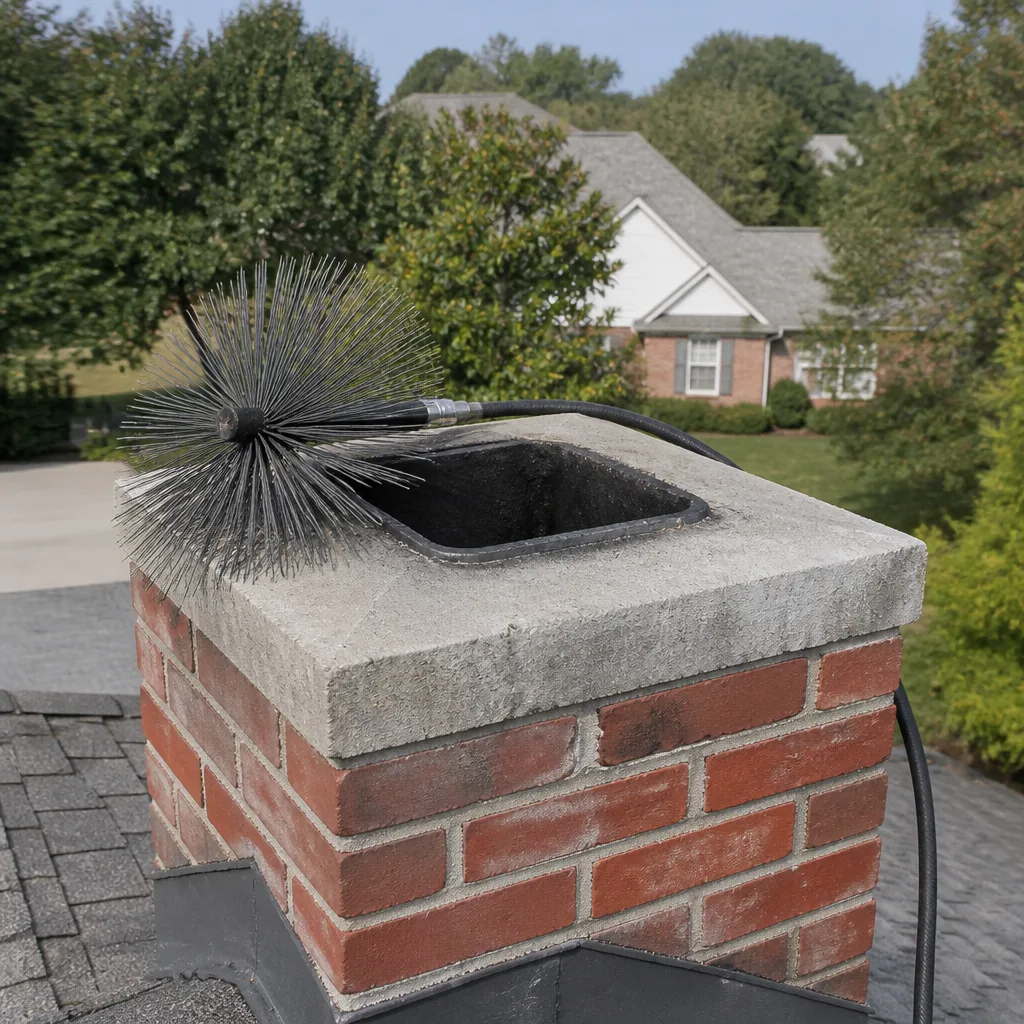 Sweep & inspection
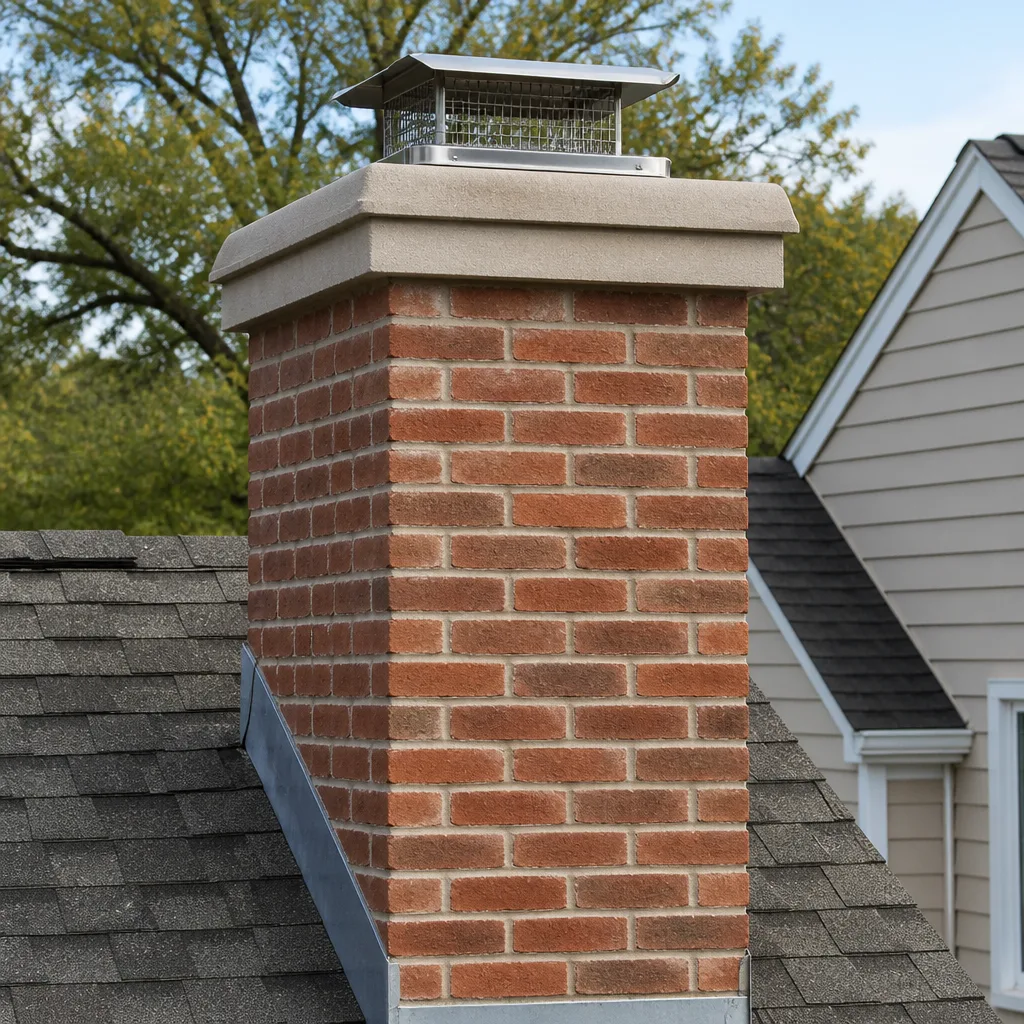 Caps & crowns
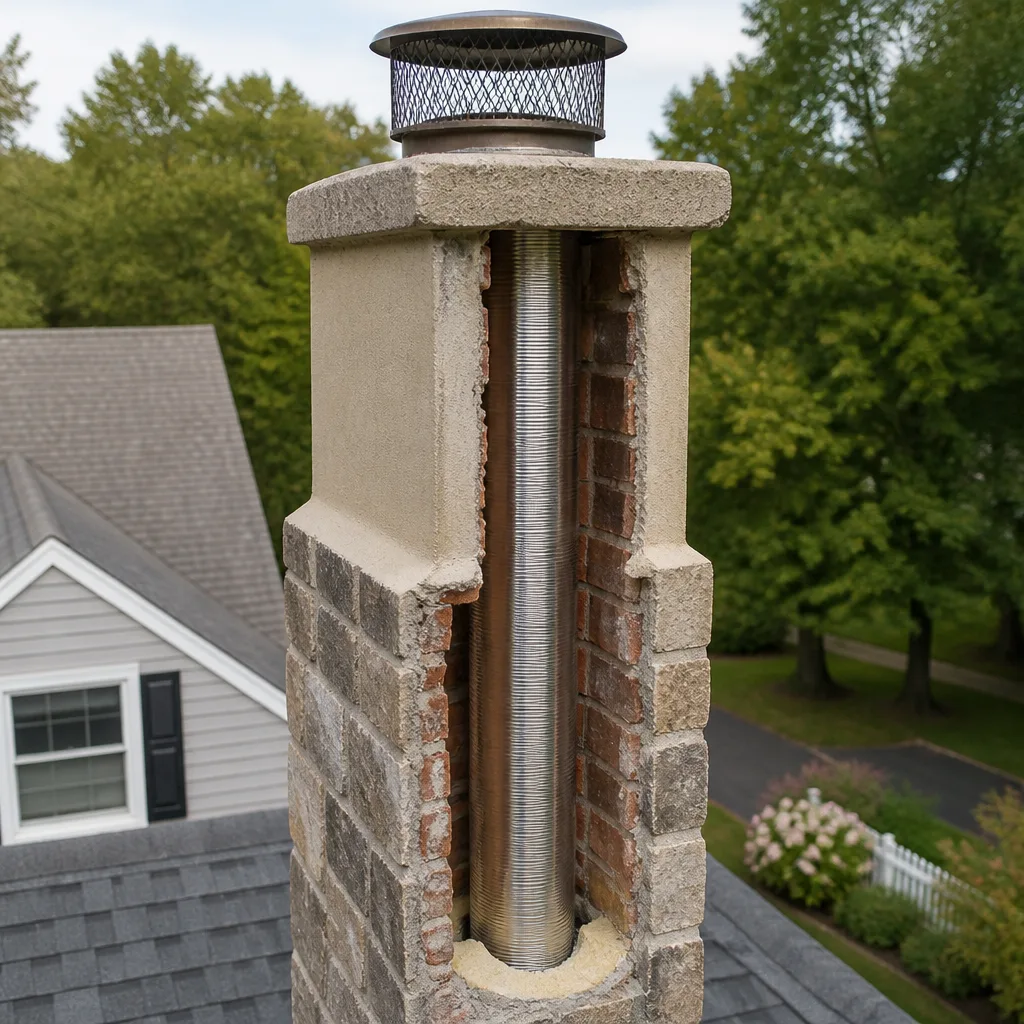 Flue relining
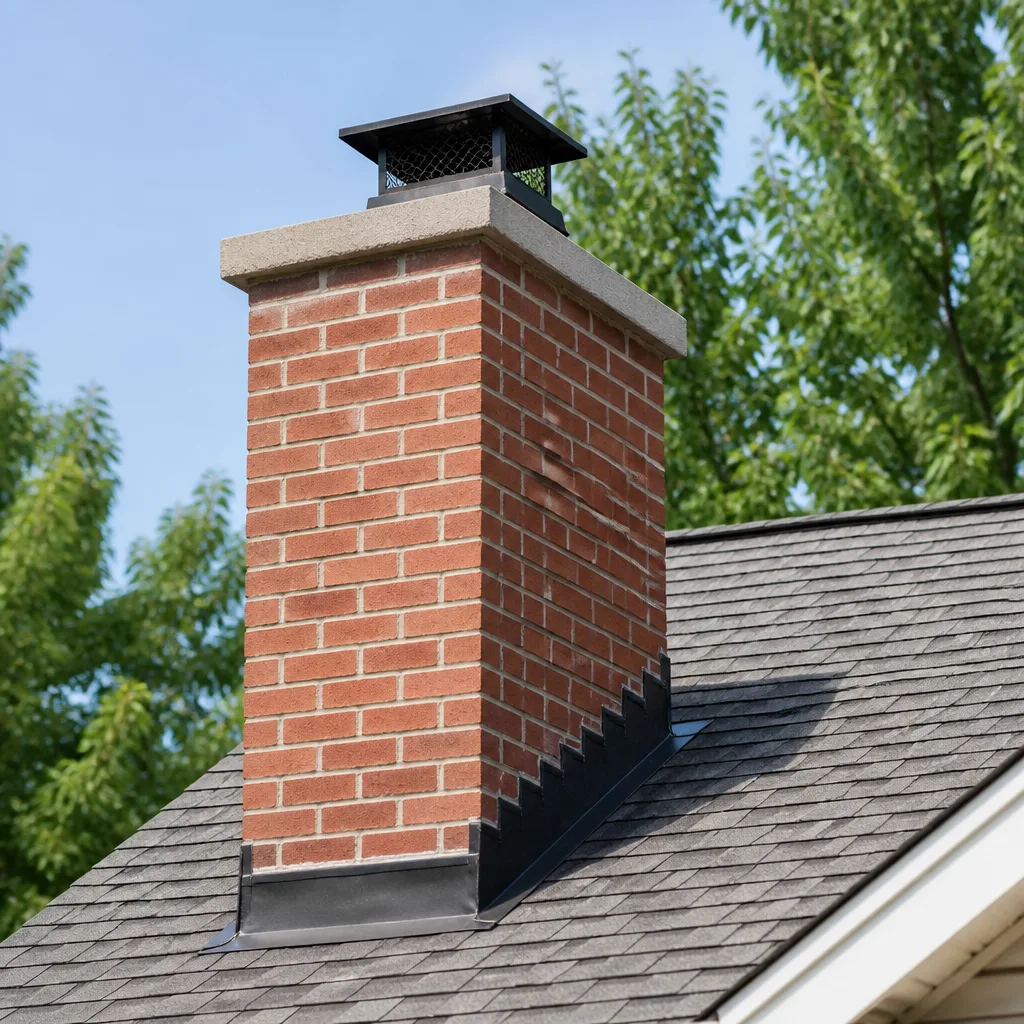 Masonry repair
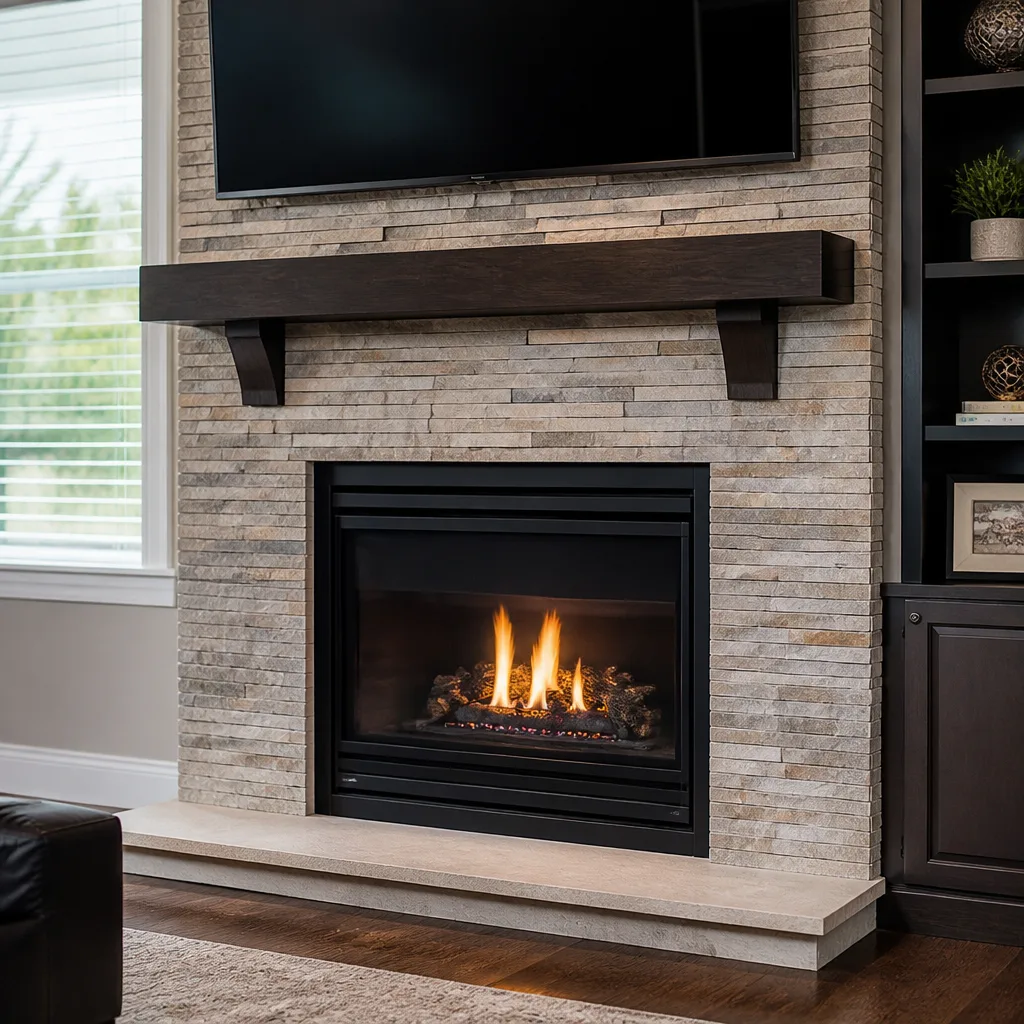 Gas fireplace service
Level 1 sweep and inspection to the NFPA 211 annual standard - flue, crown, cap, and flashing checked and photographed
Chimney sweep logs do not sweep chimneys. They loosen some creosote - which then falls where a brush and vacuum still have to collect it.
Chimney Cleaning Emergency Preparedness Guide for Kirkland Homes
A chimney fire doesn’t always sound like a roaring freight train. Sometimes it sounds like nothing at all, and the damage shows up six months later when the liner has cracked and carbon monoxide starts entering the living space. That gap between what a fire sounds like and what it actually does is where most chimney emergencies in Kirkland are born: a precursor was there, quiet and easy to misread, and nobody acted on it. This guide is about knowing what those precursors look like and building the simple habits that keep a chimney emergency from ever starting. You’ll learn how to recognize a chimney fire across its full spectrum, what to do and what not to do while it’s happening, why carbon monoxide danger is a separate problem from fire, and how preparation – detectors, extinguishers, and knowing when to call 911 versus a specialist – closes the gap.
Key Takeaways
- Chimney fires range from loud and obvious to silent and slow-burning. The quiet kind often does the most liner damage.
- Carbon monoxide exposure can happen with no fire at all. A cracked or blocked flue is enough.
- A chimney that “survived” a fire still needs a professional inspection before it’s used again.
- Most chimney emergencies have a detectable precursor: creosote buildup, a cracked flue tile, a failing crown, or a nesting blockage.
- Preparation beats reaction. Working CO detectors, the right extinguisher, and a regular sweep schedule prevent the emergency entirely.
Styles & brands we work with
- Sweep & inspection
- Caps & crowns
- Flue relining
- Masonry repair
- Gas fireplace service
Quick Answer
A chimney emergency in Kirkland is almost always preventable through routine sweeping, annual inspection, and working carbon monoxide detectors. If you suspect a chimney fire, get everyone out and call 911 first, then stop using the fireplace until a specialist inspects the flue. Carbon monoxide risk can exist without any fire, so a blocked or cracked flue needs professional attention even when the chimney looks fine from the outside.
Table of Contents
- How Do You Recognize a Chimney Fire in Progress?
- What Should You Do During a Chimney Fire?
- Why Is Carbon Monoxide Risk Different From Fire Risk?
- What Happens After a Chimney Fire?
- What Preventive Equipment Should Kirkland Homes Have?
- When Do You Call 911 Versus a Chimney Sweep?
- What Warning Signs Precede Most Chimney Emergencies?
- How Do Kirkland Conditions Affect Chimney Risk?
How Do You Recognize a Chimney Fire in Progress?
A chimney fire is not one event. It’s a spectrum, and the quiet end is the one that catches homeowners off guard. The loud end announces itself with sound you won’t mistake. The silent end can burn for hours inside the flue and leave no visible sign from the living room beyond a faint smell or a slight warping you won’t notice until months later.
At the obvious end, the signs are unmistakable:
- A loud roaring, crackling, or popping sound coming from the chimney, sometimes described as a train or a low-flying jet.
- Dense, dark smoke or a visible flame plume from the top of the chimney.
- Pieces of creosote or debris falling onto the roof or out of the flue.
- The chimney pipe or surrounding metal glowing or visibly hot.
- A strong, sharp, chemical smell in the room and through the house.
- Neighbors noticing smoke or sparks before you do.
At the quiet end, the signs are far subtler and easy to dismiss:
- A faint, persistent burning smell even after the fire is out.
- Warped or discolored metal near the flue, damper, or fireplace opening.
- Cracked flue tiles seen later during an inspection.
- Puffing, backdraft smoke from the fireplace into the room.
- No unusual sound at all – the fire simply consumed creosote slowly and self-extinguished.
In our experience, the quiet fires are the ones that create the most expensive liner repair work, because they damage the flue from the inside while the homeowner never realizes anything happened. That’s the precursor we most want Kirkland homeowners to understand: a chimney can have had a fire and shown nothing you’d recognize as one. Catching a slow fire means treating any unexplained burning smell or visible warping as a reason to call, not wait. A chimney repair specialist can inspect the flue and confirm whether damage occurred.
What Should You Do During a Chimney Fire?
What you do in the first two minutes matters, and some common instincts actually make the damage worse. A fire needs fuel and air. The wrong reaction feeds it. The right sequence protects the people in the house first, the structure second, and the chimney itself last.
- Get everyone out of the house and call 911. Do this before anything else. A chimney fire can spread into the framing with little warning, and the fire department is the only authority that can confirm the fire is out and the structure is safe.
- Close the glass doors and the damper only if you can do so safely. Cutting the air supply starves the fire. Do not reach into a hot firebox to do it.
- Do not throw water on a chimney fire. Water on a hot flue can crack the flue tiles or the metal liner, turning a survivable fire into a structural repair.
- Do not spray an extinguisher up the flue. The angle and reach are wrong, and it won’t reach the source of the fire. Extinguishers are for fires that spread into the room, not for the flue itself.
- Get away from the chimney and wait for the fire department. Do not try to climb onto the roof or reach the chimney top. That’s exactly the kind of action that injures homeowners.
The instinct that makes things worse most often is the water bucket. It feels like the obvious tool, and it’s the wrong one for a hot flue. Resist it. The fire department will tell you when the fire is out, and only then does the chimney itself become the specialist’s job. Before any of this happens, the smarter move is a schedule that keeps creosote from building up in the first place, which is what a routine chimney sweep does.
Why Is Carbon Monoxide Risk Different From Fire Risk?
Carbon monoxide is a separate danger from fire, and it can exist in a Kirkland home with no fire, no smoke, and no obvious sign anything is wrong. Fire is visible and usually audible. Carbon monoxide is colorless, odorless, and gives no warning until symptoms appear. A blocked flue, a cracked flue tile, or a failed liner gasket can send combustion gases into the living space instead of up and out.
Here’s the distinction that matters:
- Fire risk comes from creosote igniting in the flue or from a fire escaping the firebox.
- Carbon monoxide risk comes from incomplete combustion and a venting path that leaks or is obstructed, whether or not there’s ever been a fire.
A chimney that has never caught fire can still expose a household to carbon monoxide. A bird’s nest at the flue top, a fallen tile, or a collapse of the inner liner can block the exhaust path entirely. The gases then back up into the room. Gas fireplaces and gas inserts carry the same risk with their own venting, and the symptoms of mild CO exposure – headache, dizziness, nausea, fatigue – are easy to mistake for the flu or a long day.
The protection is layered. A working carbon monoxide detector on each level of the house, and near sleeping areas, is the baseline. Beyond that, an annual chimney sweep includes a visual check of the flue that catches blockages and cracks before they become a CO path. Structural liner damage that a standard sweep won’t fix can be addressed with a HeatShield resurfacing or a DuraFlex liner, which restores a sealed venting path rather than simply cleaning a compromised one. That’s work a generalist can’t do, and it’s why we treat the flue as a system, not a pipe to run a brush through.
What Happens After a Chimney Fire?
A chimney that “survived” a fire has not been cleared for use. It’s been exposed to temperatures far beyond normal operation, and the damage that matters is often invisible from the outside. The flue tiles may be cracked, the mortar joints compromised, or the liner warped, and none of it will stop the chimney from looking perfectly normal from the living room.
The post-emergency protocol is clear:
- Do not light another fire until the chimney has been inspected by a qualified specialist. Not after a day. Not “once things cool down.” Not until the inspection is done.
- Have a full inspection, not just a cleaning. The fire may have deposited creosote in new patterns and damaged the flue in ways only a camera inspection will reveal.
- Address any liner damage immediately. A cracked flue tile is a direct path for carbon monoxide. A damaged liner is a repair, not something to monitor.
- Consider a Chimney Cap & Crown review. A fire can compromise the crown and the cap, and moisture then gets into the very flue you just repaired.
In our experience, the most common mistake after a chimney fire is assuming the fire department’s “all clear” means the flue is safe to use. It doesn’t. The fire department confirms the fire is out and the structure won’t burn; it doesn’t inspect the flue. That’s a specialist’s job, and it’s why we do full-system inspection and repair as one company rather than a pass-the-baton chain. When the inspection is done by the same specialists who will do the repair, there’s no gap in the middle where details get lost. Call (833) 748-1365 to book an inspection; estimates are free.
What Preventive Equipment Should Kirkland Homes Have?
Most chimney emergencies are survivable and cheap to prevent with equipment you should already have. The three pieces that matter most are carbon monoxide detectors, the right fire extinguisher, and a professional-grade chimney cap that keeps water and animals out of the flue between sweeps.
Carbon monoxide detectors
- Place one on every level of the home, including the basement if you have one.
- Place one near each sleeping area, so anyone sleeping is within hearing range.
- Test them on a regular schedule and replace the batteries at least yearly.
- Replace the whole unit at its manufacturer’s end-of-life date; sensors degrade even when the alarm still chirps.
Fire extinguishers
A standard ABC dry-chemical extinguisher is the right type for the living space around a fireplace, because it handles wood, paper, and electrical fires. A Class A extinguisher is enough for wood fires specifically. What you should not do is reach for a water can or a small kitchen extinguisher and aim it up the flue. The extinguisher is for a fire that has spread to the hearth, the rug, or nearby furniture – not for the flue itself. Keep it where you can reach it from the fireplace without crossing the fire.
Chimney caps and crowns
A cap keeps rain, birds, and debris out of the flue, which prevents the kind of blockage that creates a silent carbon monoxide path. A crown keeps water from working into the masonry at the top of the chimney, which is where most moisture-driven chimney damage begins. Both are dedicated services we handle, using professional-grade components such as Olympia Chimney caps and crowns rather than whatever fits loosely at the hardware store. A capped, crowned chimney doesn’t need an emergency visit nearly as often as an open one.
The last piece of infrastructure is a schedule. A sweep and inspection at the intervals your usage calls for is what keeps the whole system from drifting toward a precursor. For a busy wood-burning fireplace, that’s typically an annual sweep; for light use, the inspection still needs to happen on a regular rhythm. Call (833) 748-1365 to set up a sweep and get the baseline on record.
When Do You Call 911 Versus a Chimney Sweep?
Call 911 for any active or suspected chimney fire, and call a sweep for everything that isn’t an active fire. The line between the two is whether there is or was combustion that may still be spreading. If you smell a sharp burning smell, hear crackling from the flue, see smoke or flames from the chimney top, or notice warping near the flue after a fire, call 911. If you have a chronic draft problem, a smoky fireplace, a suspected blockage, or a chimney that has never been inspected, call a sweep.
The distinction in practice:
- Call 911: active fire sounds, visible smoke or flame from the chimney, a burning smell that returns after you put the fire out, or a fire that spread beyond the firebox.
- Call a sweep: a slow smoky fireplace, backdraft puffs, a known creosote problem, a bird or nest in the flue, or a routine inspection.
The temptation is to “wait and see” before calling anyone. For a possible fire, don’t. A fire department’s all-clear does not mean the flue is safe, and a sweep inspection is the next step after the fire department has left. For a non-fire problem, waiting a few days for a scheduled appointment is fine, but a blocked flue that’s producing CO warnings is a call-the-fire-department situation, not a schedule-it-for-later situation. When in doubt, call 911. No chimney problem is worth guessing about while the family is inside.
What Warning Signs Precede Most Chimney Emergencies?
Almost every chimney emergency has a precursor that shows up weeks or months before the event, and almost all of them are visible to a homeowner who knows what to look for. The quiet fires are the extreme case, but the general pattern holds: something was off, it was dismissed, and the emergency followed.
The precursors we see most in Kirkland homes:
- Creosote buildup. A thick, glossy, tar-like coating on the flue walls is a fire waiting for a spark. If you can see shiny black glaze, you’re already past the point of a normal burn.
- Smoke in the room. A fireplace that puffs smoke back into the living space is telling you the draft is compromised. That’s often a blockage or a pressure problem.
- A burning smell that persists. The smell of fire when you haven’t lit one is a real signal, not an ambiance issue.
- Visible cracks in the masonry or flue tile. Any crack you can see from outside is only the surface of what’s likely inside.
- A failing crown or cap. Water staining, flaking brick, or a loose cap is moisture getting in, which weakens the whole structure over time.
- Animal activity. Birds, squirrels, and raccoons block flues and bring nesting material into the most dangerous place in the house.
The single biggest precursor is the easiest one to miss: a chimney that hasn’t been inspected. A flue can have damage, blockage, or heavy creosote with no external sign at all. In our experience, the precursor isn’t visible until someone trained looks at it with a camera. What you can do as a homeowner is watch for the smell, the smoke, and the visible cracking, then act on any of them rather than wait until the season ends. A fireplace that’s been professionally sorted also makes the next fireplace repair simpler to diagnose, because there’s a clean baseline on record.
How Do Kirkland Conditions Affect Chimney Risk?
Kirkland’s climate puts a particular kind of pressure on chimneys: damp, mild, and wet for months, followed by a summer of light use, then a fall when homeowners light the first fire in a cold, unused flue. That rhythm is exactly the environment where moisture-driven damage and creosote buildup compound.
The months of rain soak the masonry at the top of the chimney first – the crown, the flashing, the top courses of brick. When those fail, water works into the flue and the firebox. In the winter that means spalling brick and cracked mortar; in the spring it means the structure takes on water it can’t shed. The dampness also affects how creosote forms: cooler flue temperatures during wood-burning season let more creosote condense than a dry, hot flue would, and that coating is the fuel a chimney fire needs.
Around Kirkland, the housing stock matters too. Older masonry chimneys in neighborhoods near the waterfront and downtown carry decades of unaddressed cracks that a newer gas insert never touched. A gas insert in an old flue is a common configuration here, and gas venting has its own requirements that a generic contractor may not check.
Fall is the moment when the season turns, and it’s the right time to have the chimney inspected before the first fire. The riskiest habit in a Kirkland home isn’t a dramatic one – it’s lighting the first fire of the season in a chimney nobody has looked at since last year. Book the inspection before the cold sets in, and the emergency never gets a chance to start. A Chimney Sweep Kirkland service keeps the sweep and the inspection on one schedule.
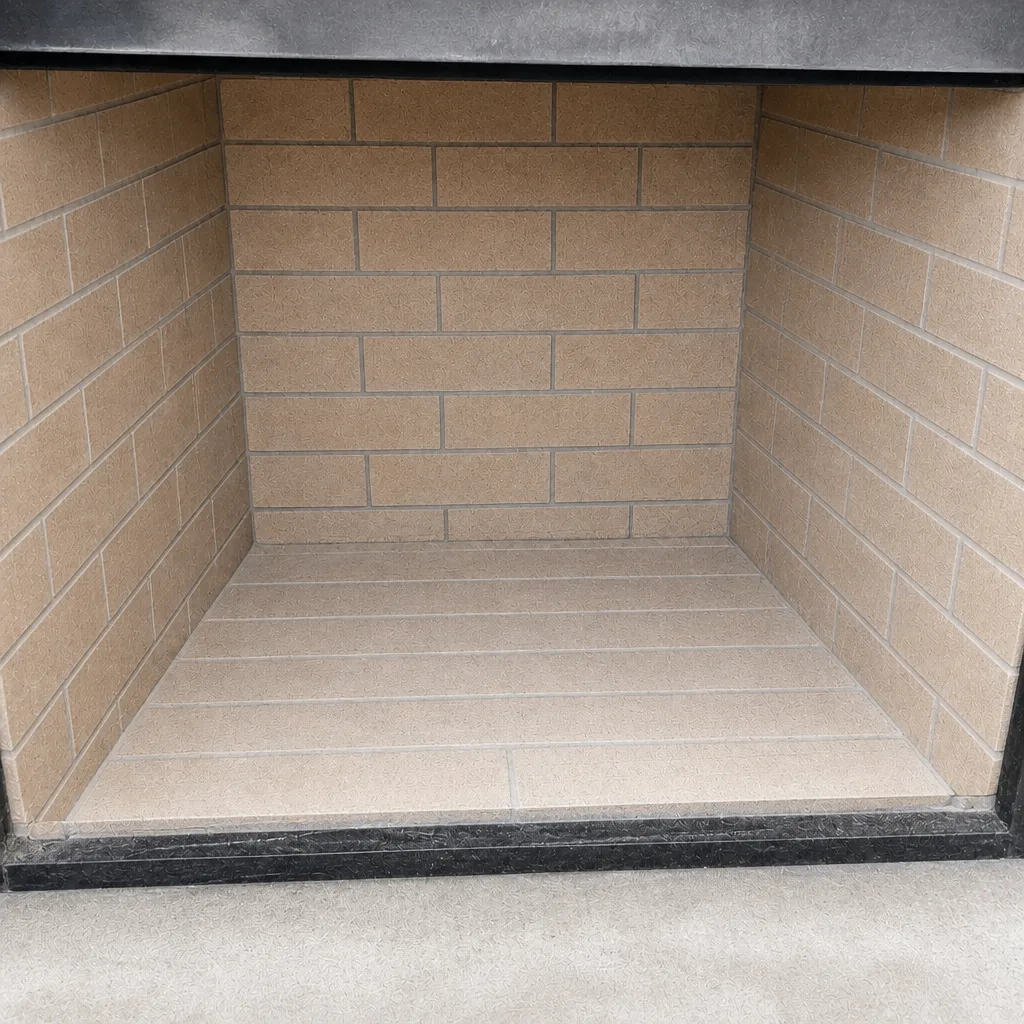
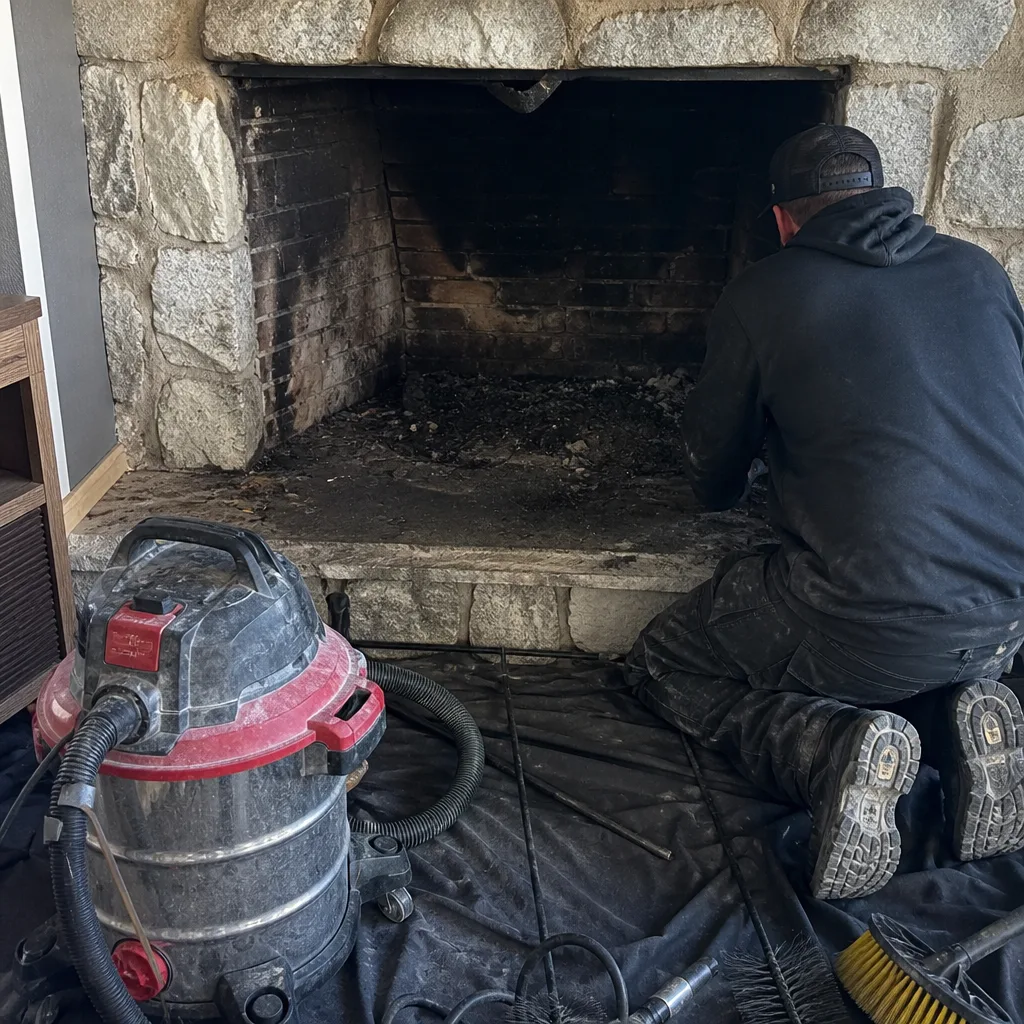
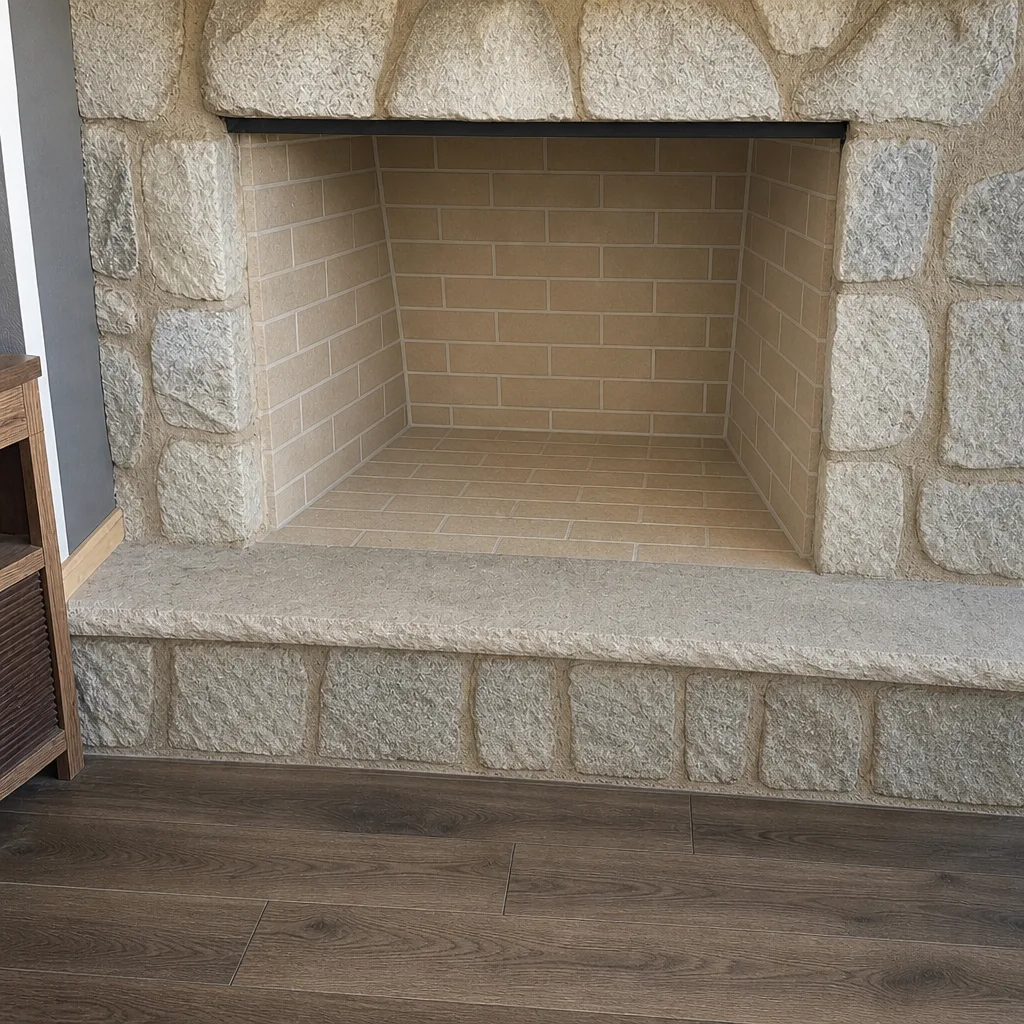
See the difference
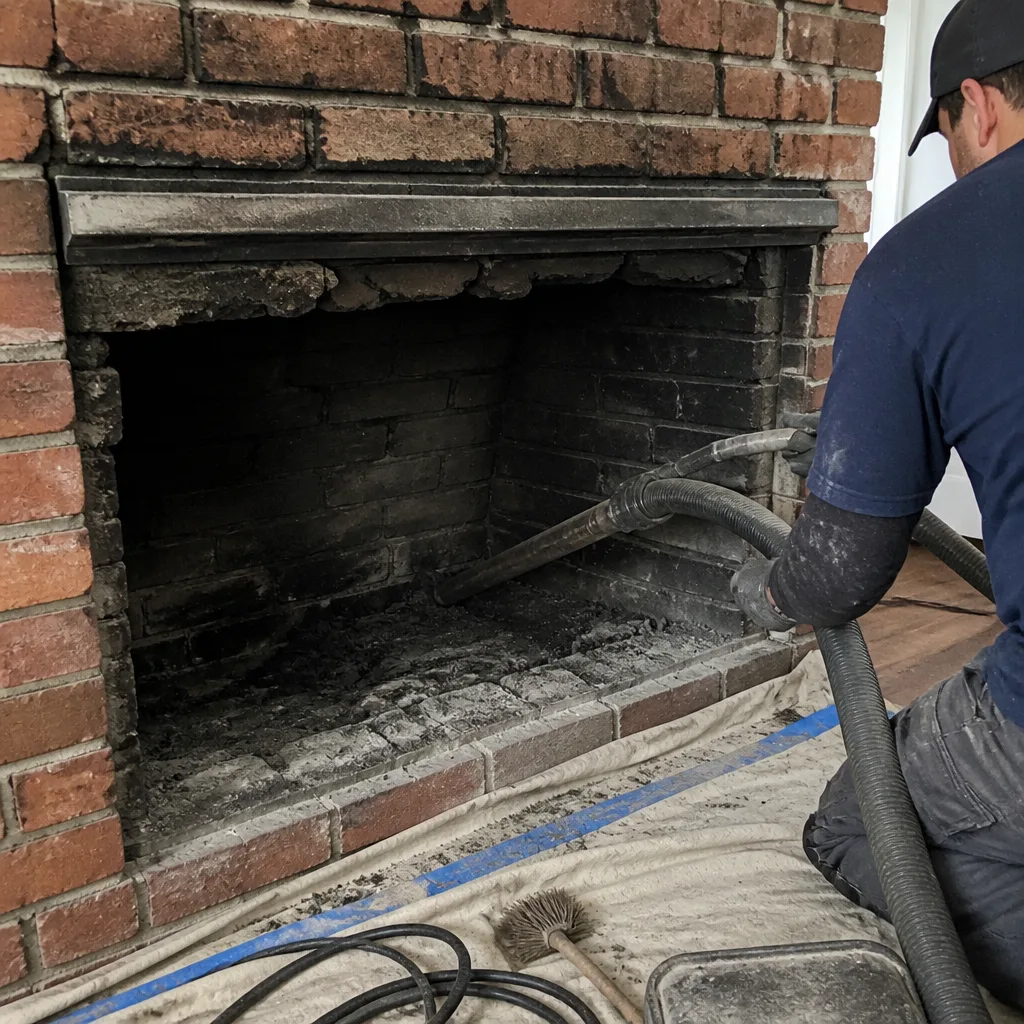 Before
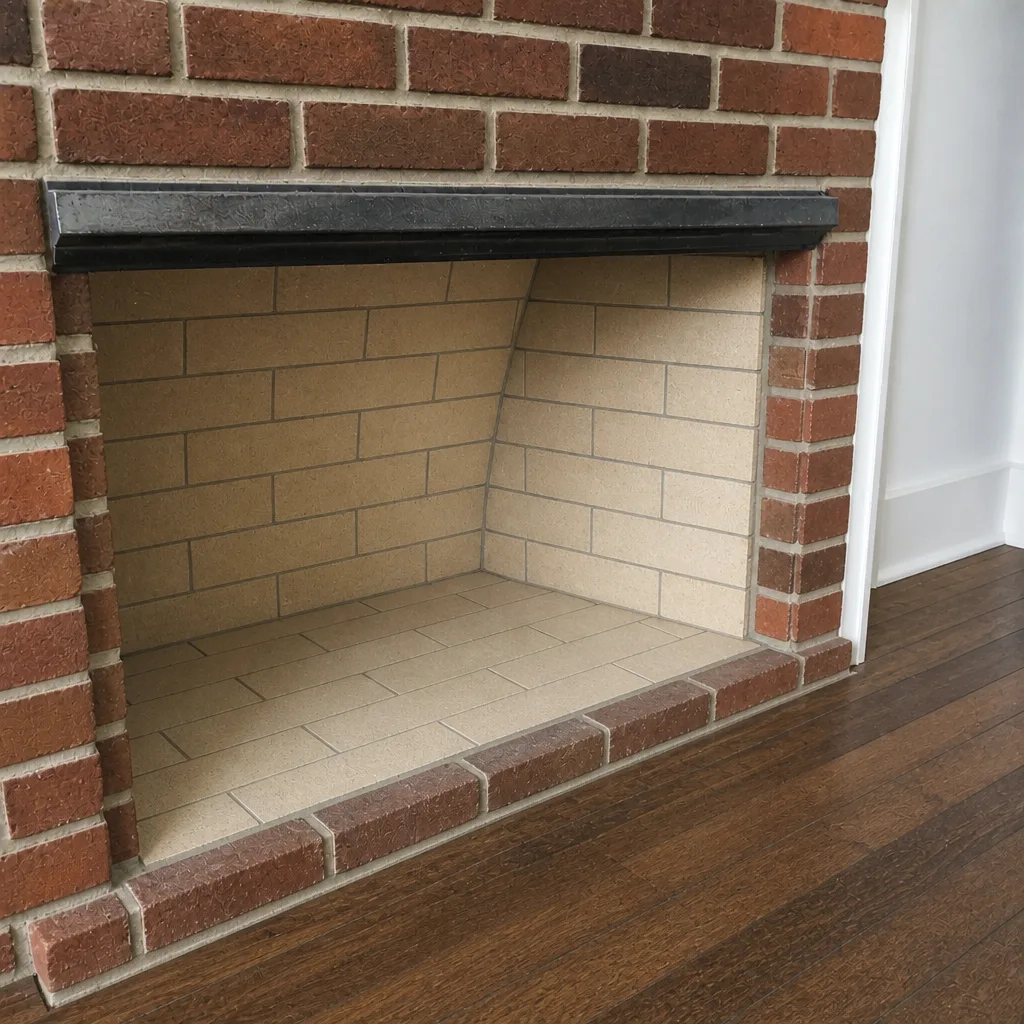 After
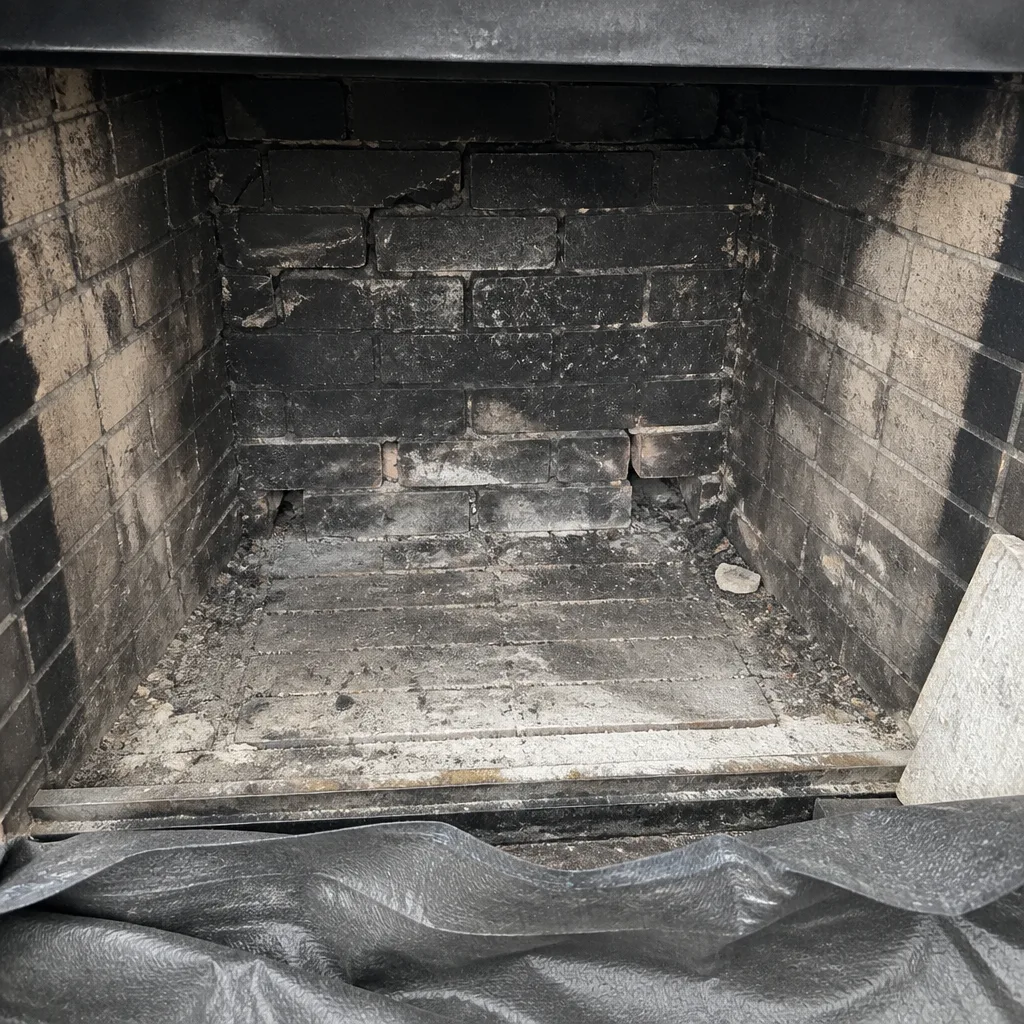 Before
 After
 Before
 After
Common Mistakes to Avoid
- Assuming a quiet chimney fire didn’t happen. A faint burning smell or warped metal after a fire is a reason to call an inspector, not evidence that nothing went wrong.
- Using the fireplace after a chimney fire before the flue is inspected. The fire department’s all-clear is about the building being safe to occupy, not the flue being safe to use.
- Throwing water on a chimney fire. Water on a hot flue can crack tiles and metal, turning a survivable fire into a structural repair.
- Relying only on the smoke detectors and skipping CO detectors. A cracked flue creates carbon monoxide exposure with no smoke and no visible sign; smoke detectors won’t catch it.
- Lighting the first fire of the season without an inspection. Kirkland’s wet months let moisture and creosote build in a flue that sat unused, and the first fire is exactly when that buildup matters.
- Leaving an uncapped chimney open between seasons. Birds, squirrels, and rain get into an open flue; a cap and a sound crown are the cheapest protection a chimney has.
- Treating a chimney as a one-time cleaning job. The system includes the flue, the crown, the cap, and the firebox; problems in one are often symptoms of trouble in another.
When to Call a Professional
Call a professional for any chimney question that involves fire, carbon monoxide, or structural integrity. That means any suspected chimney fire, any burning smell or smoke where there shouldn’t be one, any visible crack, and any chimney that has never been inspected. It also means the routine work: a sweep before the season, a camera inspection after a fire, and a cap and crown check when the weather turns. Our technicians have up to 10 years of experience and handle sweeping, inspection, repair, and cap work in one place, so the same specialists who find a problem are the ones who fix it. Chimney Sweep Kirkland offers free estimates in Kirkland – call (833) 748-1365. We answer 24/7, with fast dispatch from 7am to 7pm, Sunday through Friday.
Frequently Asked Questions
You may not know, and that’s the point: many chimney fires are quiet and self-extinguish without an obvious sound or visible flame. Signs to look for after the fact include a persistent burning smell, warped or discolored metal near the flue, puffs of smoke from the fireplace, or cracked tiles found during inspection. If there’s any doubt, have the flue inspected before you light another fire. Call (833) 748-1365 for an exact quote – estimates are free.
Yes. Carbon monoxide risk comes from a blocked or cracked flue letting combustion gases into the living space, and that can happen with no fire at all – a bird’s nest, a fallen tile, or a compromised liner is enough. Working CO detectors on each level and near sleeping areas are the baseline, and an inspection catches the flue problems that create the risk. Call (833) 748-1365 to book an inspection.
A sweep cleans the flue and firebox; an inspection assesses the condition of the whole system, including the flue lining, crown, cap, and firebox. After a chimney fire or before the first fire of the season, you want the inspection, not just the cleaning. The two are often done together, but they’re not the same job.
That depends on your policy, and it’s worth a call to your insurer to understand your coverage before a problem happens. What we can do is work with your insurer on the documentation – photos, inspection findings, and a written estimate of the repair – so you have what you need to file a claim. The repair itself is a specialist’s job, not a general contractor’s.
For a wood-burning fireplace in regular use, an annual sweep is the common rhythm, and an annual inspection keeps the rest of the system on record. Gas inserts and lighter-use fireplaces still need a regular inspection because CO risk and structural wear don’t track with how many fires you’ve burned. Have it checked before the first cold snap. Call (833) 748-1365 for an exact quote – estimates are free.
Not always, but you can’t know without an inspection. A damaged liner is a direct carbon monoxide path, so the decision has to be based on what the camera shows, not on how the chimney looks from the living room. If the liner is compromised, a DuraFlex liner or HeatShield resurfacing restores the sealed venting path; if it isn’t, you’ll know that too, and nothing gets recommended that the evidence doesn’t support. Call (833) 748-1365 to schedule the inspection.
The Bottom Line
Chimney emergencies in Kirkland almost always have a detectable precursor, and the goal of preparedness is to catch it before it becomes a fire, a crack, or a carbon monoxide event. That means knowing the full spectrum of a chimney fire – from loud to silent – acting on the right signs, and never reusing a chimney after a fire without an inspection. Carbon monoxide is a separate risk from fire and deserves its own detectors and its own inspection rhythm. The equipment that prevents most emergencies is modest: working CO detectors, a properly placed extinguisher, a cap and sound crown, and a sweep schedule you keep. Build that infrastructure and the emergency stays hypothetical. Call (833) 748-1365. We answer 24/7. Fast dispatch from 7am to 7pm, Sunday through Friday. Estimates are free, and the written estimate sets the final price.
Written by the team at Chimney Sweep Kirkland.